
 EN
EN
 ar
ar bg
bg hr
hr cs
cs da
da nl
nl fi
fi fr
fr de
de el
el hi
hi it
it ko
ko no
no pl
pl pt
pt ro
ro ru
ru es
es sv
sv tl
tl iw
iw id
id lv
lv lt
lt sr
sr sk
sk sl
sl uk
uk vi
vi et
et hu
hu th
th tr
tr fa
fa ms
ms hy
hy ka
ka ur
ur bn
bn mn
mn ta
ta kk
kk uz
uz ku
ku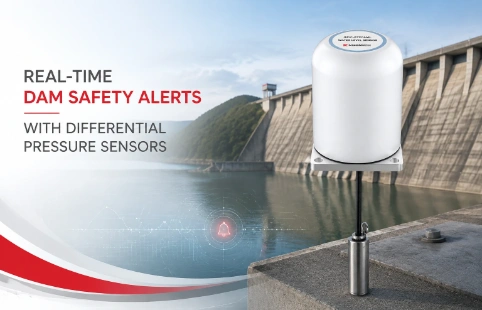
Real-Time Dam Safety Alerts with Differential Pressure Water Level Sensors
Key Takeaways An alert chain needs more than a sensor: define field in...

Vibrating Sensor Solutions That Fit Your Monitoring Setup
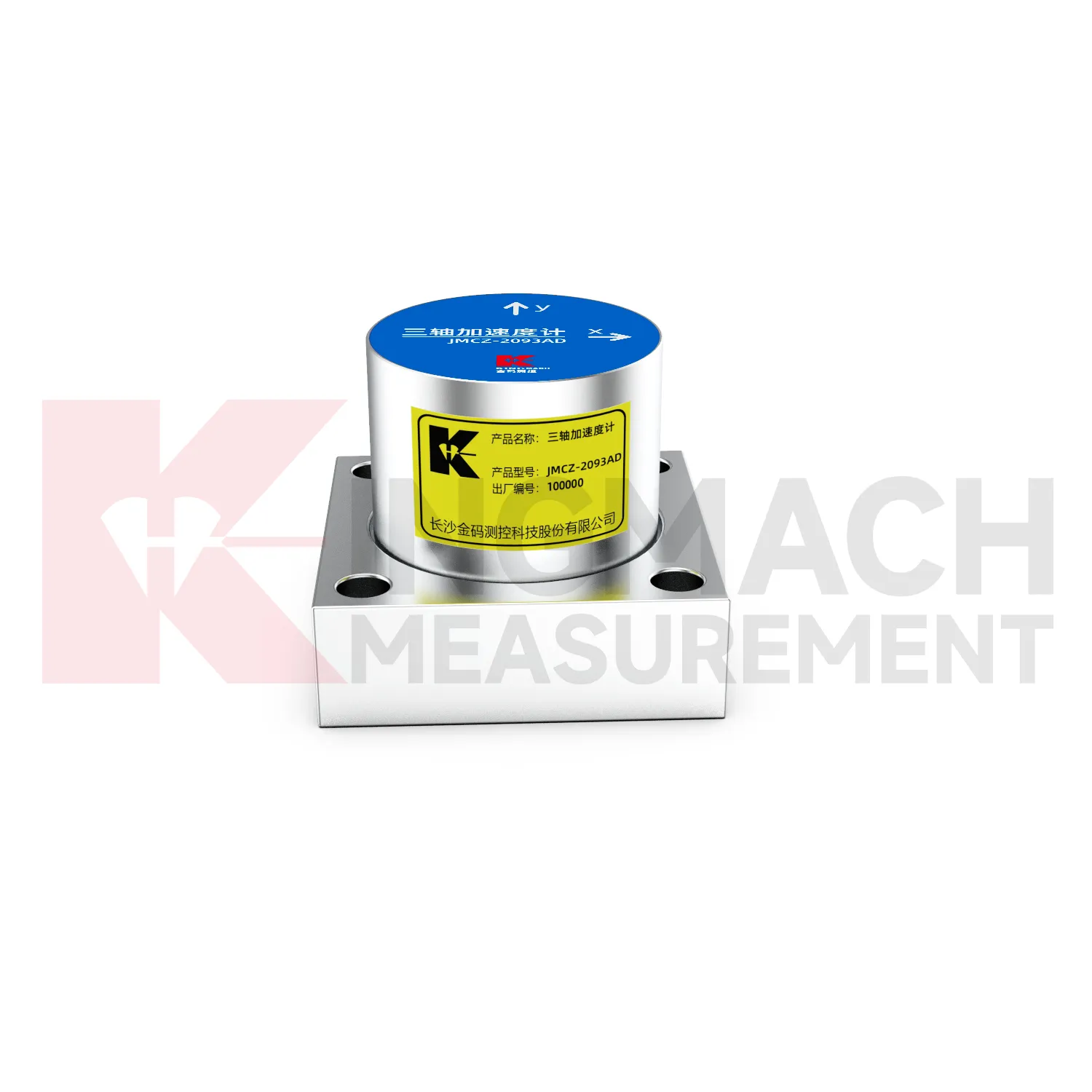
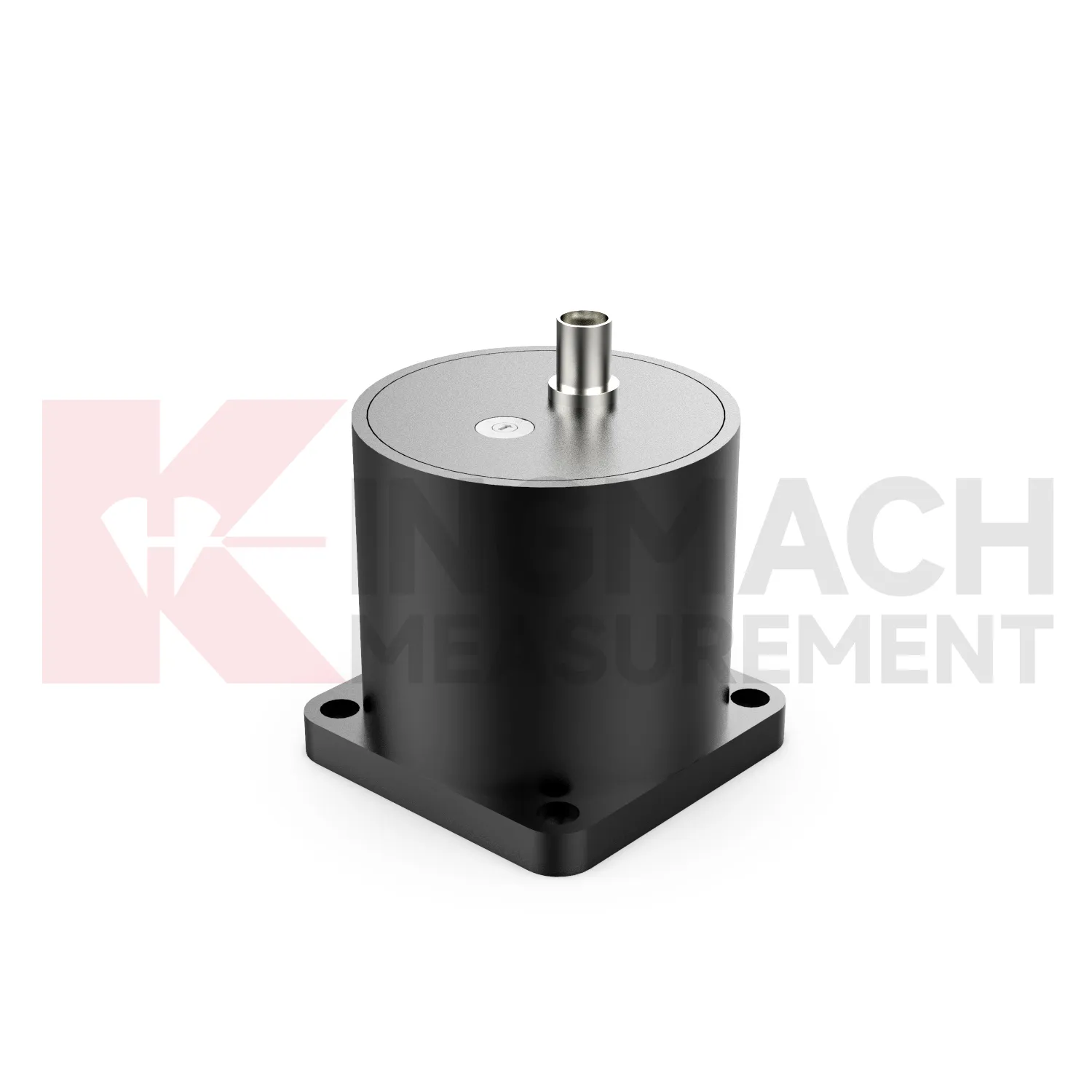
Vibration monitoring can get noisy—literally and figuratively. Sorting through sensor specs, wiring setups, and long-term drift often eats up more time than the actual data analysis. That’s where a straightforward vibrating sensor design makes a difference. At Kingmach, we build vibrating wire and piezoelectric sensors with civil engineering in mind—think retaining walls, deep excavations, or bridge piers. The key isn’t just sensitivity; it’s repeatability under field conditions and integration with your existing logger or DAQ. We keep the talk about measurement ranges, excitation voltages, and IP ratings specific, so you can scan a datasheet and know if it fits. No fluff, just specs that match what a site engineer actually cares about.
Technical Detail
You’ll find vibrating sensors in many geotechnical kits, but not all of them hold calibration when temperature swings hit or when cable runs stretch past 100 meters. Kingmach addresses this by using stainless steel housings and surge-protected signal lines as standard on most models. We offer both vibrating wire types—good for long-term static monitoring—and piezoelectric accelerometers for dynamic events like blasting or pile driving. Common output options include 4-20 mA, 0-10 V, and RS-485, which cuts out extra signal conditioning in many PLC setups. Our sales engineers often help with custom cable lengths or mounting brackets when standard parts don’t match the borehole or concrete embedment geometry. That’s not an upsell; it’s just how most construction timelines work. Stock for typical ranges (up to ±2g or 50 mm/s) stays ready, and we ship from multiple warehouses. This product line slots into our wider monitoring portfolio—tilts, pressure cells, crack meters—so you’re not juggling three vendors for one job.
News
Key Takeaways An alert chain needs more than a sensor: define field in...
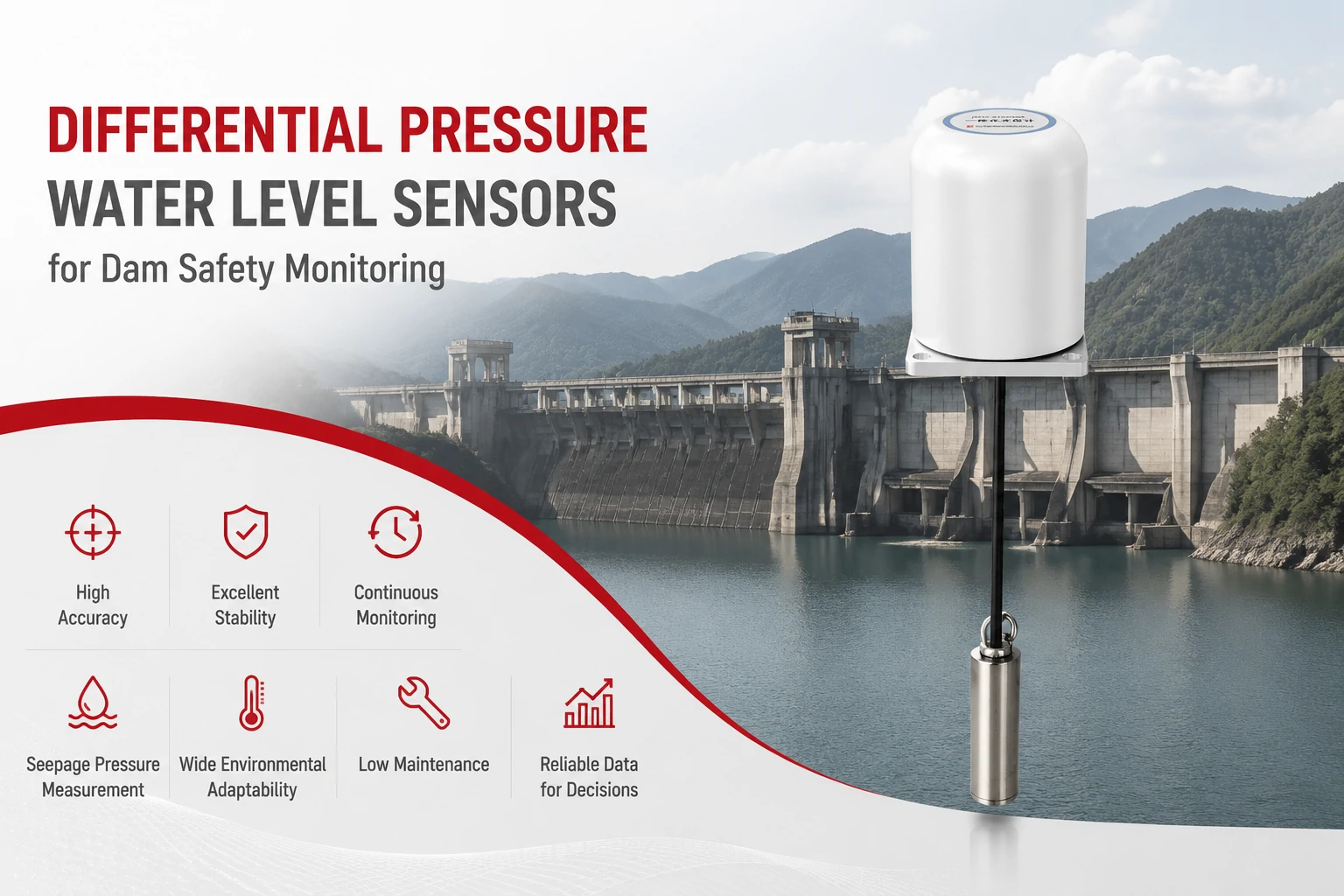
Key Takeaways The strongest fit is usually a confined, submerged, or s...
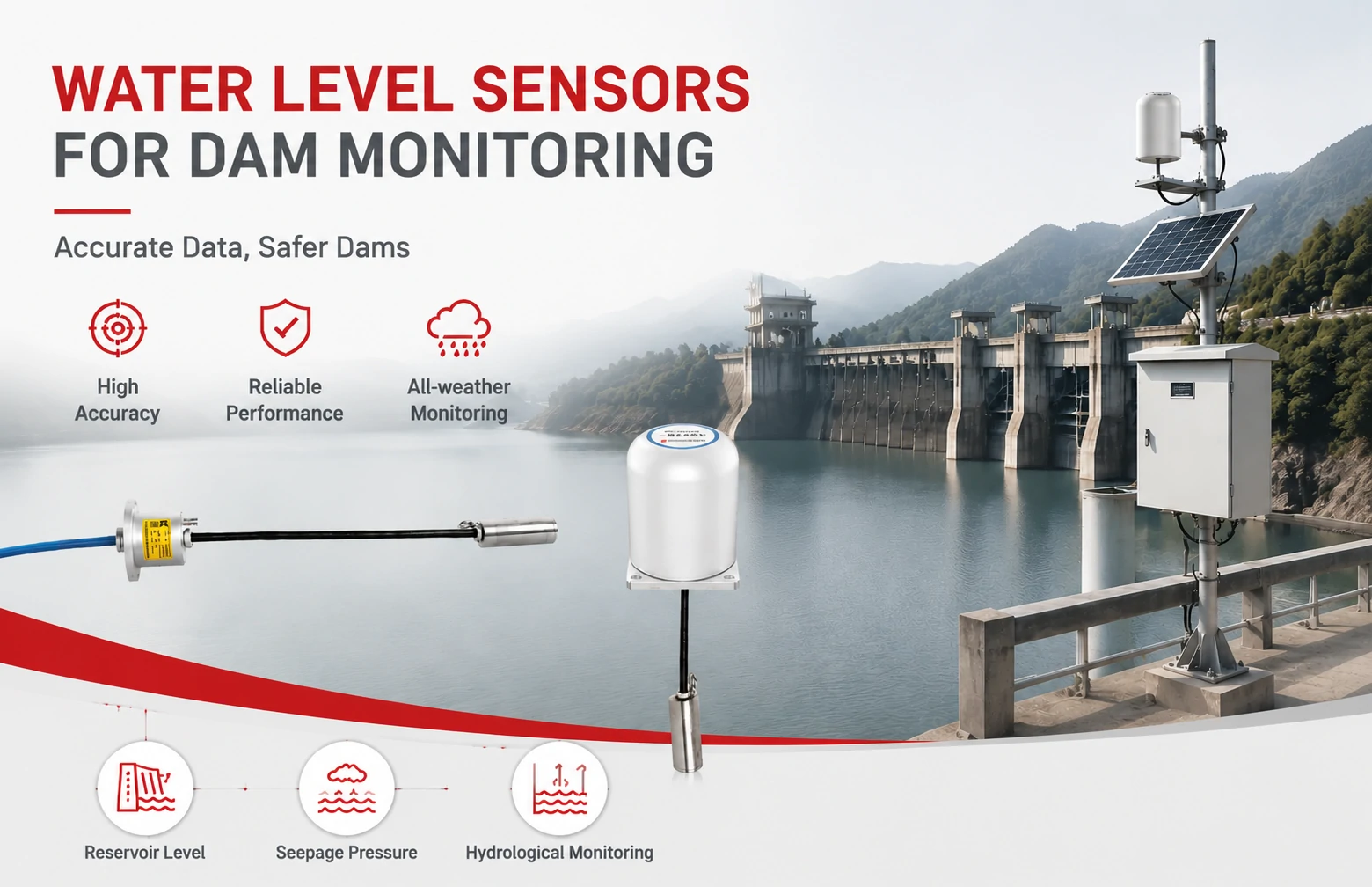
Kingmach Water Level Sensors for Dam Monitoring: A Buyer's Guide to Differential Pre...
Products
FAQ
Vibrating wire sensors give you a frequency output that’s immune to cable resistance changes, so they’re good for long-term settlement or tilt readings where stability matters more than high-speed response. Piezoelectric accelerometers capture dynamic events—pile driving, blasting—because they react in milliseconds. For a dam health check, you might install both: the wire type for static deflection and the accelerometer for seismic events.
Yes. Our RS-485 versions output digital readings natively, so you avoid analog-to-digital conversion at the logger. That’s handy when you’re daisy-chaining multiple sensors on one Modbus line. We also offer 4-20 mA and voltage outputs if that’s what your existing system reads.
Standard setups include grout-in anchors for fresh concrete pours or expansion bolts for retrofits. We often supply drillable steel brackets with alignment notches to keep the sensor axis right. If your surface isn’t flat—say, a curved tunnel wall—we can fabricate a contoured base plate with a short lead time.
For vibrating wire types, cable resistance isn’t a big issue; you can run several hundred meters with proper shielded twisted pair, and the frequency reading stays reliable. Piezoelectric sensors need a charge amplifier or ICP signal conditioner near the sensor if the cable gets long, because voltage drop and noise become problems. We can pre-wire junction boxes with line drivers if you tell us the total distance during ordering.
The sensor itself doesn’t connect to the cloud directly, but the RS-485 or 4-20 mA output feeds into any standard gateway. If you’re using our datalogger, it pushes data to an FTP server or API endpoint on schedule. Otherwise, your SCADA or IoT gateway can parse the register maps—we provide the documentation for that.
Share your product type, target capacity, and application requirements. Our team can review the details and recommend a practical next step.
If you are interested in our products or want to become our partner.
Please leave your contact information, our team will contact you as soon as possible.
Mail: [email protected]
Contact Us: +8613808434127
Address: No. 188 Tongzipo West Rd, Changsha, Hunan, China