
 EN
EN
 ar
ar bg
bg hr
hr cs
cs da
da nl
nl fi
fi fr
fr de
de el
el hi
hi it
it ko
ko no
no pl
pl pt
pt ro
ro ru
ru es
es sv
sv tl
tl iw
iw id
id lv
lv lt
lt sr
sr sk
sk sl
sl uk
uk vi
vi et
et hu
hu th
th tr
tr fa
fa ms
ms hy
hy ka
ka ur
ur bn
bn mn
mn ta
ta kk
kk uz
uz ku
ku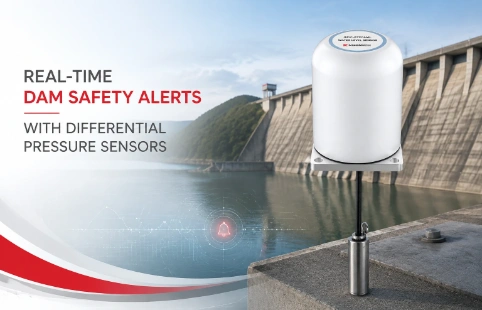
Real-Time Dam Safety Alerts with Differential Pressure Water Level Sensors
Key Takeaways An alert chain needs more than a sensor: define field in...

Piezo Accelerometer Vibration Measurement You Can Rely On
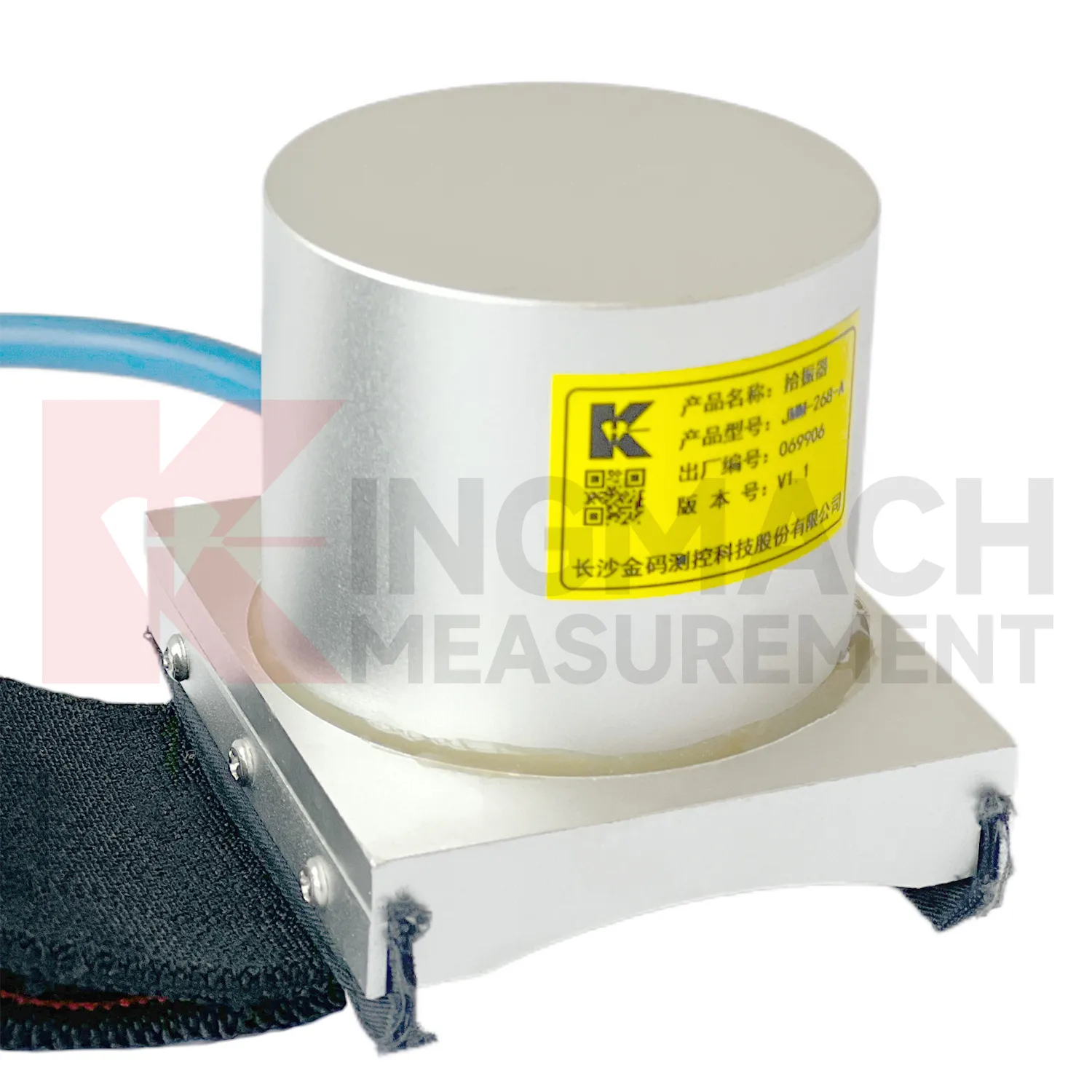
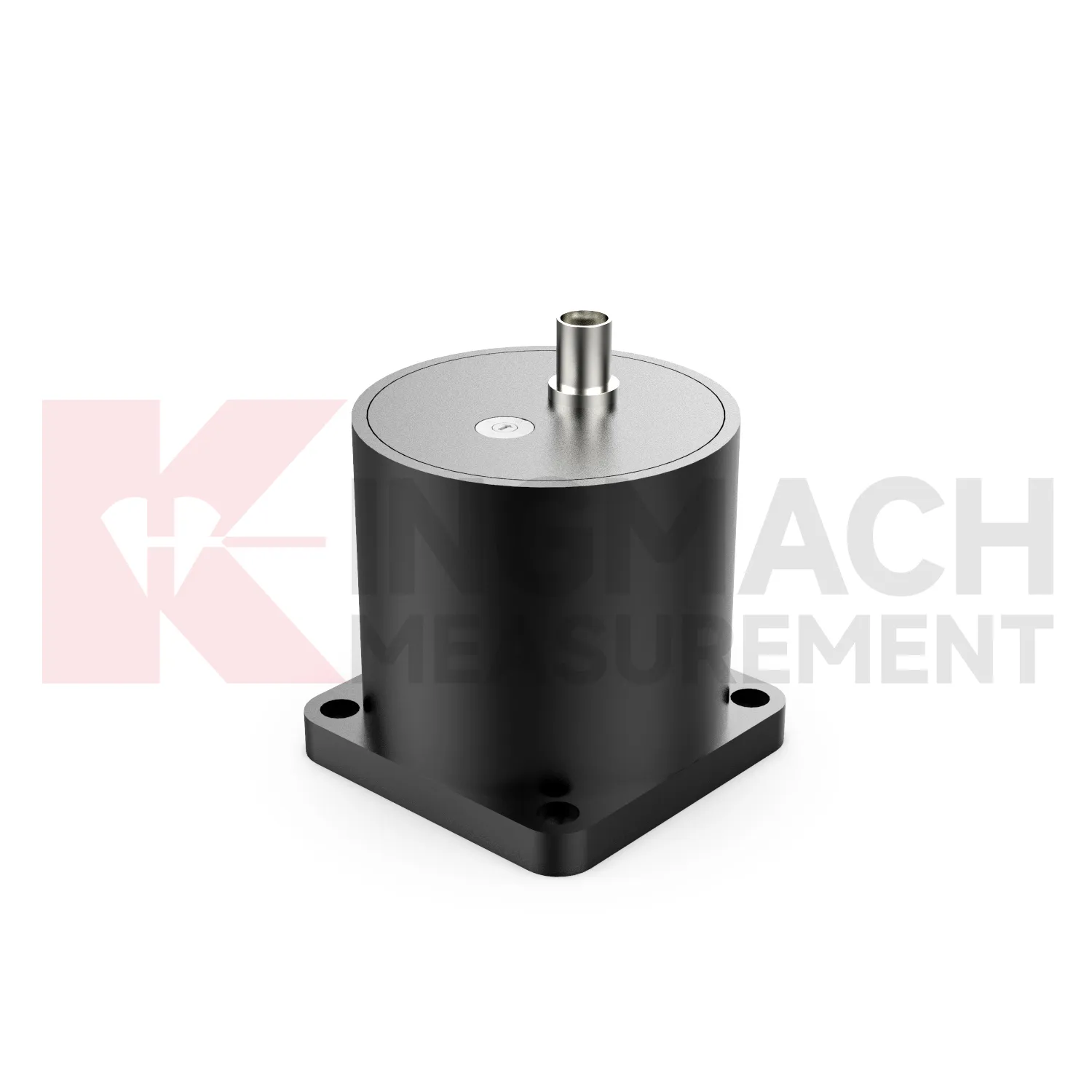
A cracked bearing on a pump rarely makes noise until it's too late. Vibration signatures picked up by piezo accelerometers reveal these faults early. But not all sensors are equal—temperature shifts, cable noise, and mounting can skew readings. Kingmach's piezo accelerometers address these with shear-mode designs that minimize base strain, and rugged stainless steel housings for harsh environments. Our range includes IEPE and charge-output models to match your data acquisition setup. Customization is available: connector types, mounting threads, cable lengths. This means you get a sensor that fits your monitoring system, not the other way around. For vibration measurement in rotating machinery, bridges, or seismic applications, the right accelerometer saves diagnostic time. When setting up a vibration monitoring program, the choice between sensitivity and frequency range can be confusing. Higher sensitivity is great for low-level vibrations, but might limit high-frequency response. We help you navigate that. Our sensors are used in predictive maintenance for motors, fans, and compressors. By catching imbalance, misalignment, or bearing wear early, you can schedule repairs before production stops. No hype, just practical tools.
Technical Detail
Kingmach's piezo accelerometers convert mechanical vibration into electrical signals for condition monitoring, structural analysis, and test labs. They use piezoceramic crystals in shear or compression configurations. Shear designs offer better thermal stability and lower base strain sensitivity, making them suited for industrial settings where temperature fluctuates. Our housing options include sealed stainless steel for washdown areas and lightweight titanium for aerospace testing. Mounting options: stud, magnetic, or adhesive. Frequency response typically spans from 0.5 Hz to over 10 kHz, covering most machinery's fault frequencies. For low-frequency applications like tilting bridges or wind turbines, we offer high-sensitivity units with low-noise electronics. These capture subtle movements that other sensors might miss. However, for high g-level impacts, rugged designs with mechanical filtering protect the crystal. We also provide accessories like mounting bases, cables, and signal conditioners to ensure a complete measurement chain. Unlike some suppliers, we don't box you into a standard package. You can specify connector types, integral or remote electronics, and even special calibration at specific frequencies. After delivery, our technical team can assist with installation guidance and troubleshooting. For large-scale projects, we maintain stock in key regions to shorten lead times. And if a standard unit doesn't fit, we can modify the design—whether it's a custom thread or a special temperature range. This flexibility comes from our experience in geotechnical and structural monitoring, where each site presents unique challenges. In vibration measurement, getting the right sensor early means less data uncertainty later. That's the goal.
News
Key Takeaways An alert chain needs more than a sensor: define field in...
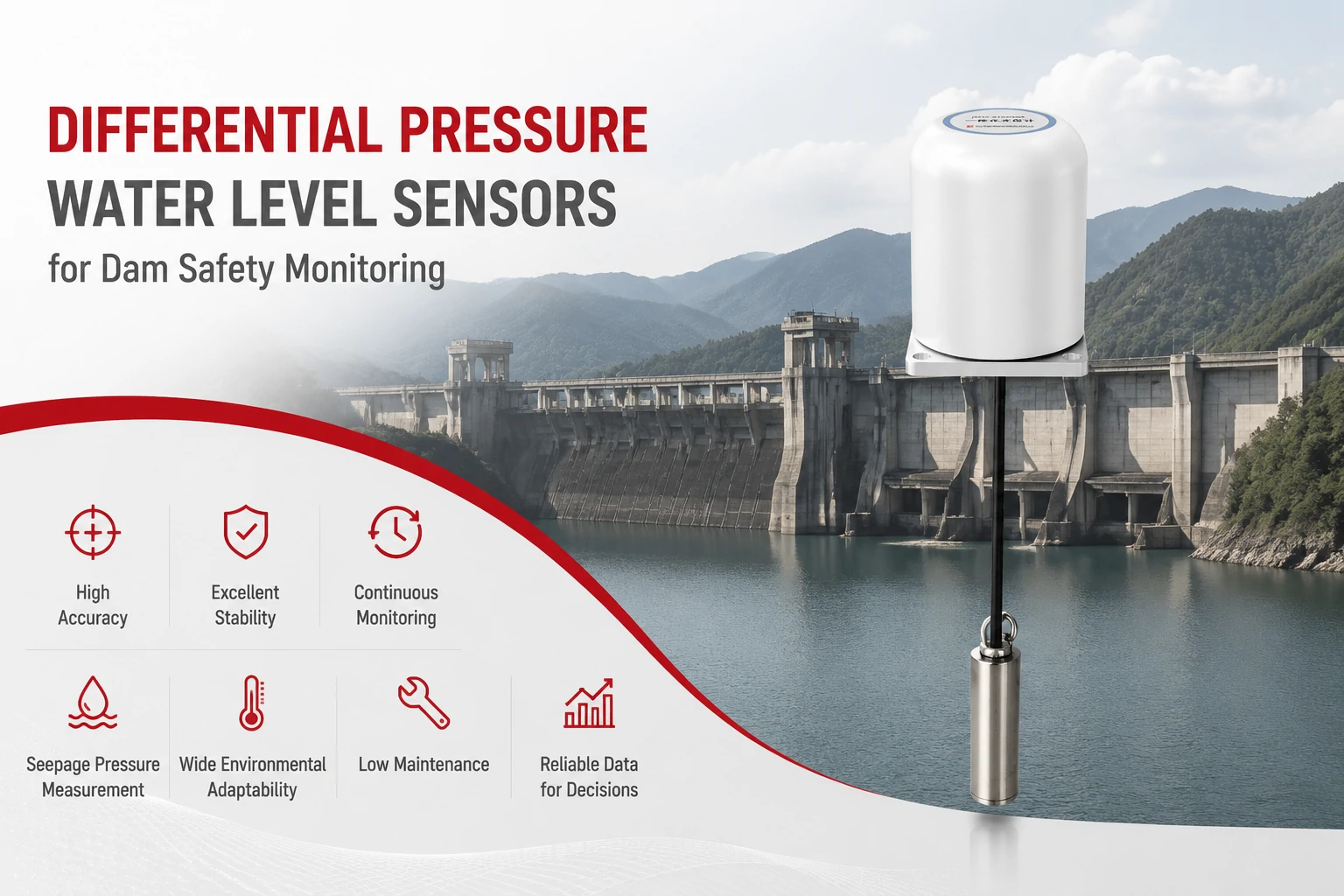
Key Takeaways The strongest fit is usually a confined, submerged, or s...
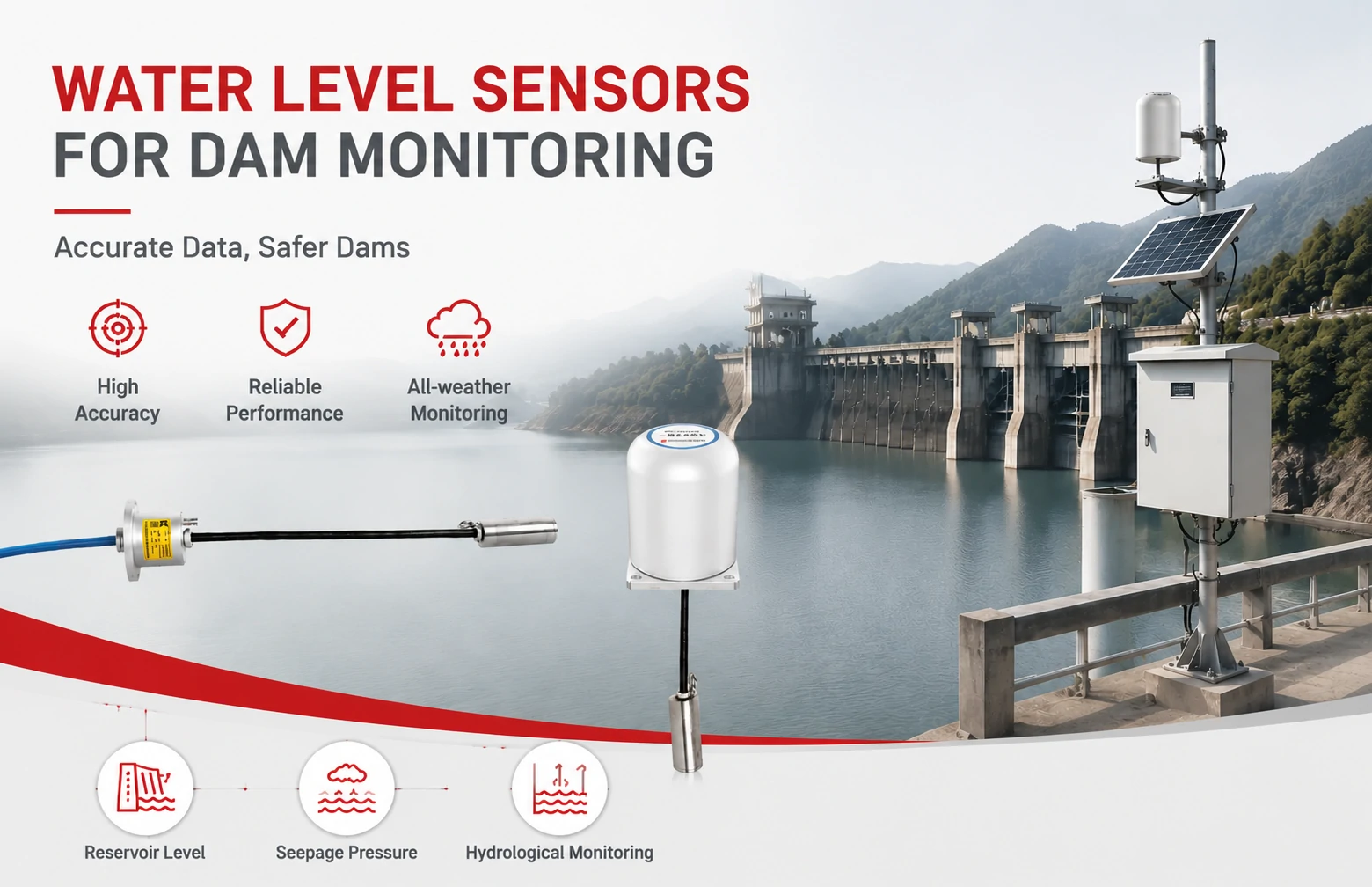
Kingmach Water Level Sensors for Dam Monitoring: A Buyer's Guide to Differential Pre...
Products
FAQ
It depends on your data acquisition system. IEPE accelerometers have built-in electronics, simplifying cable routing and allowing long runs without signal degradation. Charge output units need external charge amplifiers but tolerate higher temperatures, making them ideal for engine compartments or high-heat zones. Both types are available from Kingmach, so it's about what your existing hardware supports.
Stud mounting directly on a flat, machined surface gives the best high-frequency response. But for temporary installations, we supply magnetic bases that hold well up to moderate frequencies. Adhesive mounts can work for lower frequencies. Always ensure the surface is clean and the mounting torque is correct—too loose, and the frequency response narrows.
Yes, our stainless-steel housings and hermetic connectors withstand rain, dust, and humidity. We've installed sensors on bridges and dams that have been operating for years with minimal drift. Just consider a sun shield and proper cable protection against animals or traffic.
It varies by complexity, but often 4-6 weeks for a modified design like a special connector or sensitivity. We stock many standard models, so if a stock unit works, it can ship within days. We'll be upfront if the customization will take longer.
Noise often comes from ground loops, triboelectric effects in cables, or poor mounting. Try checking your cable condition, ensuring your cables are secured to avoid motion, and verifying that your signal conditioner is grounded properly. If noise persists, our tech support can help troubleshoot.
Share your product type, target capacity, and application requirements. Our team can review the details and recommend a practical next step.
If you are interested in our products or want to become our partner.
Please leave your contact information, our team will contact you as soon as possible.
Mail: [email protected]
Contact Us: +8613808434127
Address: No. 188 Tongzipo West Rd, Changsha, Hunan, China