
 EN
EN
 ar
ar bg
bg hr
hr cs
cs da
da nl
nl fi
fi fr
fr de
de el
el hi
hi it
it ko
ko no
no pl
pl pt
pt ro
ro ru
ru es
es sv
sv tl
tl iw
iw id
id lv
lv lt
lt sr
sr sk
sk sl
sl uk
uk vi
vi et
et hu
hu th
th tr
tr fa
fa ms
ms hy
hy ka
ka ur
ur bn
bn mn
mn ta
ta kk
kk uz
uz ku
ku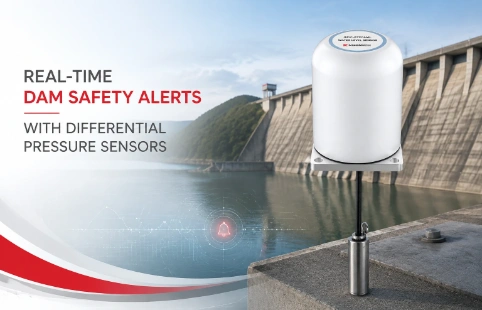
Real-Time Dam Safety Alerts with Differential Pressure Water Level Sensors
Key Takeaways An alert chain needs more than a sensor: define field in...

Reliable Load Cell Force Measurement for Demanding Applications
When a packaging line needs to verify fill weights at 60 units per minute, the load cell under that checkweigher doesn’t get a second chance. It must deliver repeatable force readings despite vibration, temperature swings, and years of cyclic loading. Kingmach builds force load cells for exactly these situations—not as commodity sensors, but as measurement tools tuned for repeatability. Our range includes bending-beam, S-type, and pancake configurations, each engineered for specific mounting constraints and accuracy classes. We focus on making sure the load cell you integrate doesn’t become the mystery drift in your data.
Technical Detail
A load cell force sensor converts mechanical load into an electrical signal, and the quality of that conversion depends on three things: the strain gauge bonding process, the metal body’s fatigue life, and how well the sensor resists environmental interference. Kingmach addresses all three. Our force load cells use proprietary sealing that maintains IP67 integrity even after thousands of thermal cycles—a real-world test you won’t find on a datasheet but matters in an outdoor silo weighing system. The strain gauges are applied with automated processes to minimize zero drift, and the bodies are machined from aerospace-grade alloys that handle 150% overload without permanent deformation. Customization is a standard part of our workflow. If you need a specific thread size, an integral amplifier with 4-20mA output, or a mounting flange that mates to existing fixtures, our engineering team can produce a variant without the usual NRE fees that make small modifications expensive. We’ve done this for bollard pull tests in harbors, cable tension monitoring on ski lifts, and thousands of other applications where a stock sensor just doesn’t fit. Global distributors stock our standard models, so lead times for common capacities are often days, not weeks. And when a load cell fails in the field—as every sensor eventually does—our support team can cross-reference the calibration data from your original shipment to speed up replacement matching. No need to reshim your assembly.
News
Key Takeaways An alert chain needs more than a sensor: define field in...
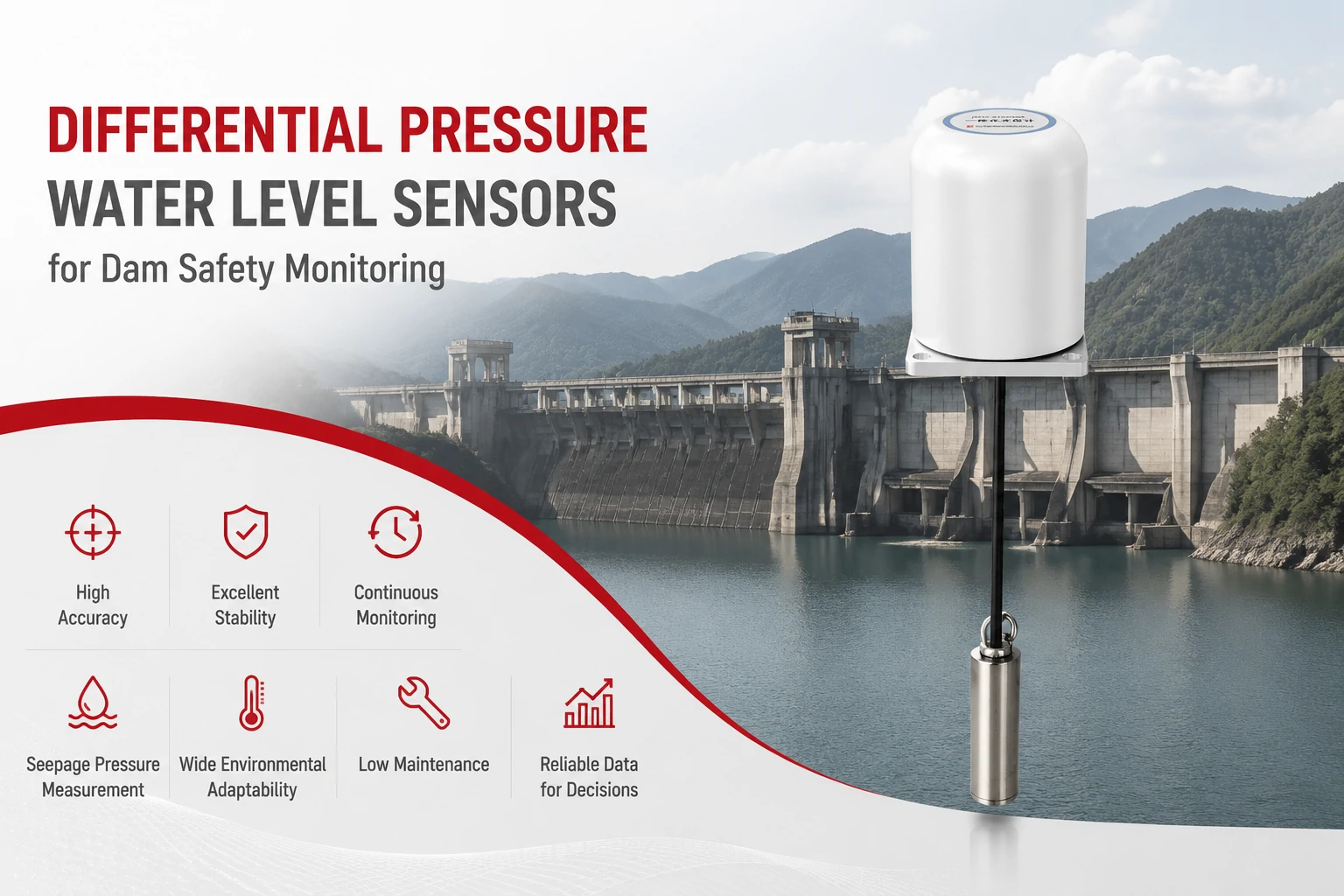
Key Takeaways The strongest fit is usually a confined, submerged, or s...
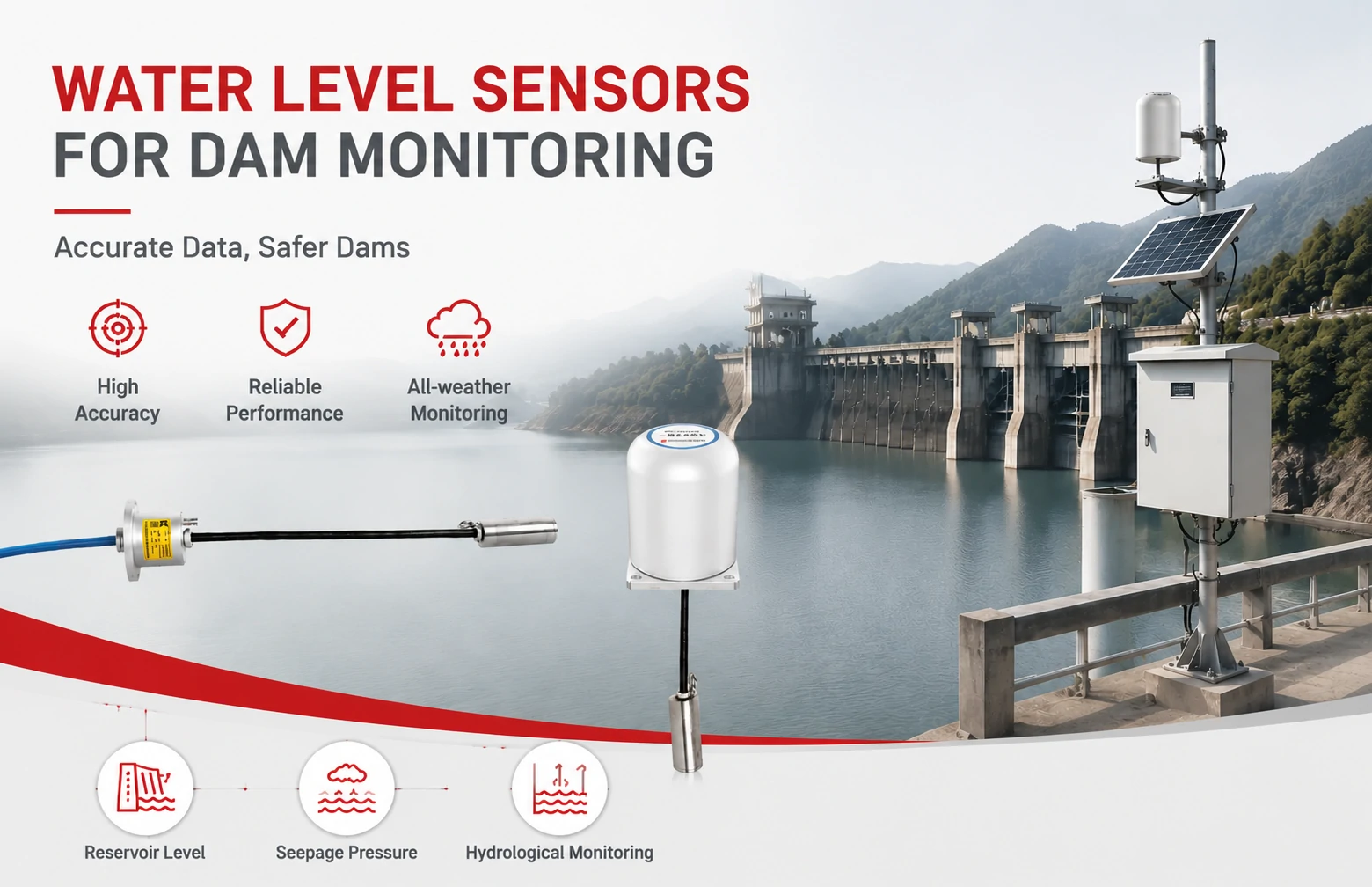
Kingmach Water Level Sensors for Dam Monitoring: A Buyer's Guide to Differential Pre...
Products
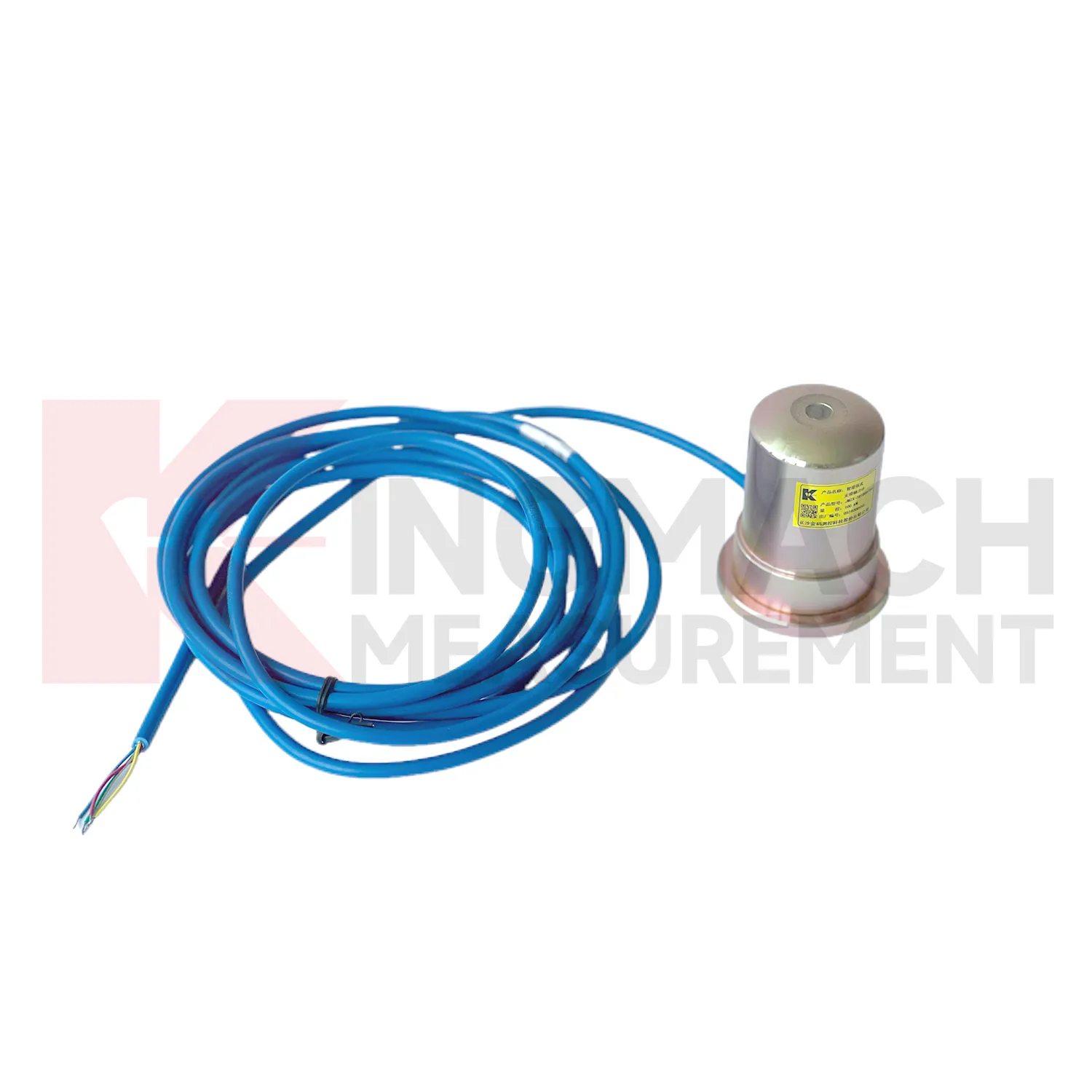
Smart Formwork Axial Force Meter(VW)JMZX-39XXHAT
View Details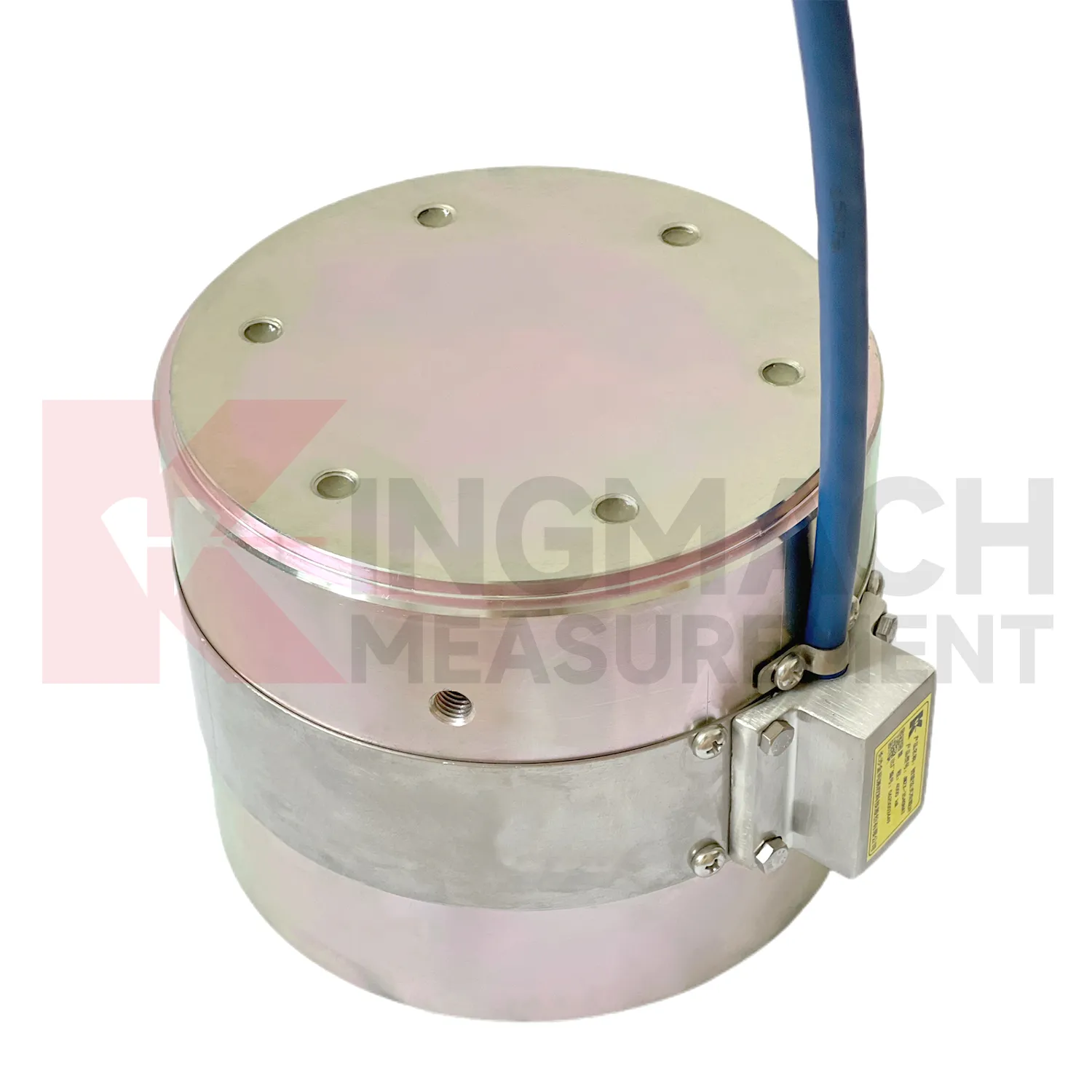
Solid load cell JMZX-34XXHAT、35XXHAT、36XXHAT
View Details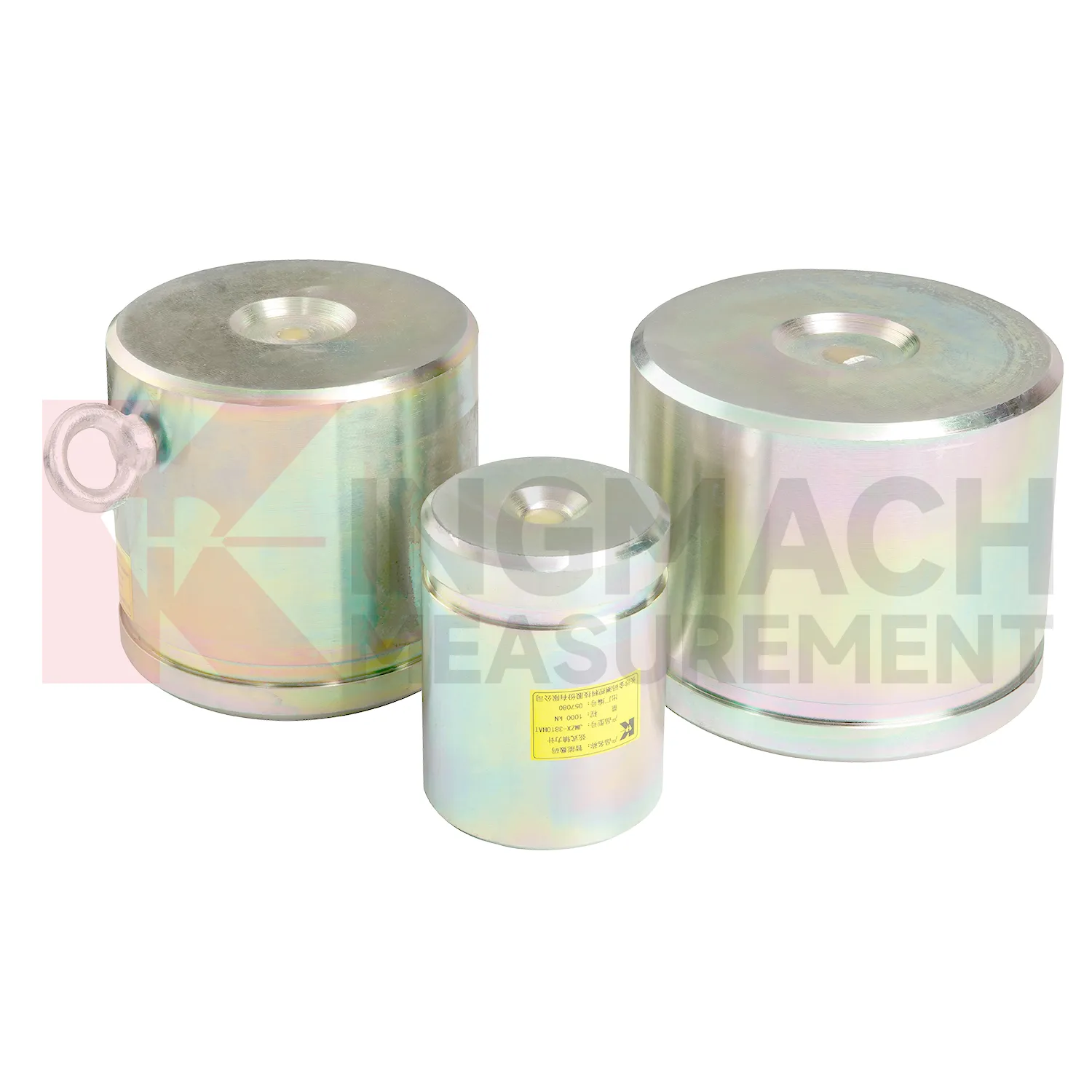
Axial Force Load Meter ( VW & Smart Type)JMZX-38XXHAT
View DetailsFAQ
Match the load cell’s rated capacity to the maximum expected force, then add at least 20% overhead. If your application has shock loads or dynamic tension spikes, you may need an even larger margin. For multi-load-cell systems like tank weighing, subtract the vessel deadweight and divide the live load by the number of supports, but remember uneven load distribution can overload a single cell. When in doubt, share your load profile and Kingmach’s engineers will recommend a safe capacity range.
Yes. Standard sealing is IP67, meaning dust-tight and protected against temporary immersion. If your setup involves high-pressure washdowns or prolonged submersion, we offer IP69K versions with laser-welded covers and specialized cable venting. A common mistake is ignoring connector sealing—even an IP68 load cell will fail if the mating connector gets moisture inside. Our assemblies include properly terminated connectors with boots or overmolding.
In properly designed fixtures, a load cell should last 10 million cycles at full scale without measurable zero shift. But fatigue life depends heavily on mounting alignment. A cell subjected to off-axis loading or twisting moments can degrade much faster. We include alignment guides and recommend flexible couplings for tension applications to prevent premature fatigue failure.
Every load cell ships with a calibration certificate traceable to national standards, as long as you order a wired version with mV/V output. Amplified transmitters with current or voltage output require end-to-end system calibration, which we can also provide if you send the complete setup—including your data acquisition hardware—to our lab. For ISO-certified processes, we offer accredited calibration against known reference standards.
Share your product type, target capacity, and application requirements. Our team can review the details and recommend a practical next step.
If you are interested in our products or want to become our partner.
Please leave your contact information, our team will contact you as soon as possible.
Mail: [email protected]
Contact Us: +8613808434127
Address: No. 188 Tongzipo West Rd, Changsha, Hunan, China