
 EN
EN
 ar
ar bg
bg hr
hr cs
cs da
da nl
nl fi
fi fr
fr de
de el
el hi
hi it
it ko
ko no
no pl
pl pt
pt ro
ro ru
ru es
es sv
sv tl
tl iw
iw id
id lv
lv lt
lt sr
sr sk
sk sl
sl uk
uk vi
vi et
et hu
hu th
th tr
tr fa
fa ms
ms hy
hy ka
ka ur
ur bn
bn mn
mn ta
ta kk
kk uz
uz ku
ku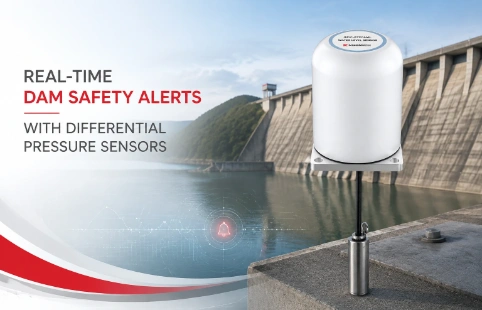
Real-Time Dam Safety Alerts with Differential Pressure Water Level Sensors
Key Takeaways An alert chain needs more than a sensor: define field in...

Smart Piezometers Built for Reliable Field Data
A construction manager once told us he lost sleep over a dam’s pore pressure readings—until the crew swapped out their old analogue piezometers for smart ones. They stopped chasing faulty signals and started trusting the numbers. That’s the kind of shift a well-built smart piezometer brings to geotechnical work. The sensor digitizes the signal at the point of measurement, so long cable runs don’t ruin accuracy. And when paired with a data logger, readings flow automatically to your office, not a clipboard that gets copied once a week. Kingmach sits in the middle of this technology: professional enough to get the details right, flexible enough to adapt when your borehole diameter or reading interval doesn’t match the catalogue. We build instruments for people who need data they can act on, not just numbers on a graph.
Technical Detail
What makes a piezometer “smart” isn’t a marketing label—it’s the way the sensor handles temperature compensation and signal conditioning inside the probe itself. Traditional vibrating wire sensors need careful manual calibration and can drift if the cable joint gets damp. Smart versions store calibration coefficients onboard, communicate digitally, and often include a thermistor for automatic temperature correction. This reduces human error during installation and speeds up commissioning. Kingmach applies that principle across a broad family of pore pressure sensors—from standpipe systems retrofitted with drop-in transducers to fully grouted VW sensors for multiple-point arrays. Our range covers classic vibrating wire models and more cost-effective strain gauge alternatives, each available in standard diameters from 19 mm upward. Because we manufacture in-house, we can adjust cable lengths, pressure ranges, and even connector types without a six-week lead time. For projects that need real-time data, our smart piezometers pair directly with automatic monitoring systems. The digital output works with most third-party loggers as well as Kingmach’s own cloud platform, so you’re not locked into one ecosystem. Routine checks become easier too—interrogating a smart sensor for health status beats pulling out a manual readout box every month. Field teams appreciate that kind of convenience, especially on remote sites. Beyond the hardware, Kingmach supports deployments through a global network of distributors who stock spare cables, filters, and terminal boxes. When a piezometer does need replacement, you won’t wait weeks for a part that has to be air-freighted from a single factory. That local availability, combined with the instrument’s inherent reliability, keeps long-term monitoring programs on track without budgeting for excessive redundancies. In practice, the biggest advantage of using smart piezometers is how they simplify the data chain. Raw frequency readings aren’t much use to a project engineer—but when the tool temperature-compensates and converts to pressure units on its own, the reports become actionable. We’ve seen this streamline construction decisions during excavation dewatering and tailings dam operations, where timely pore pressure data directly influences safety margins.
News
Key Takeaways An alert chain needs more than a sensor: define field in...
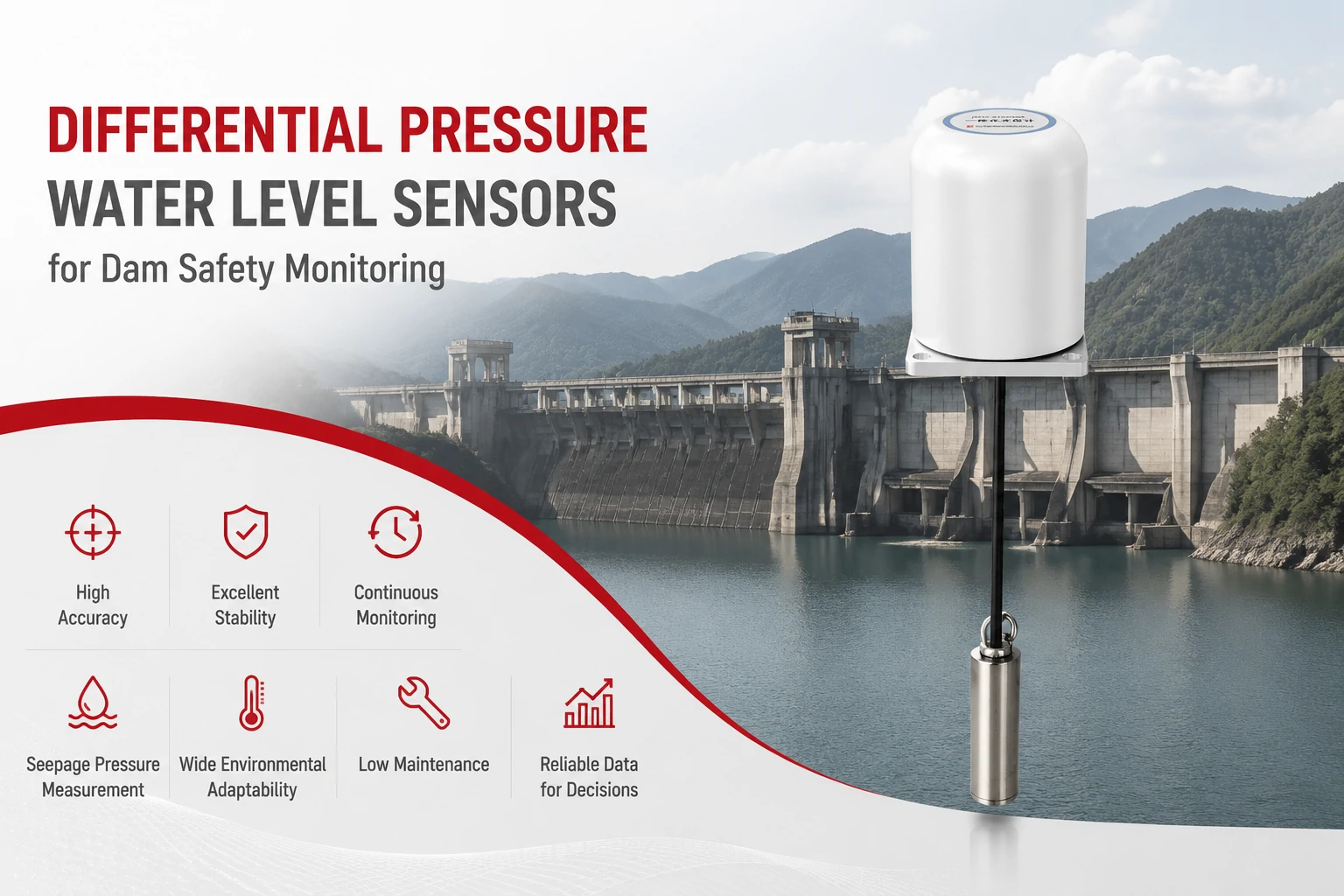
Key Takeaways The strongest fit is usually a confined, submerged, or s...
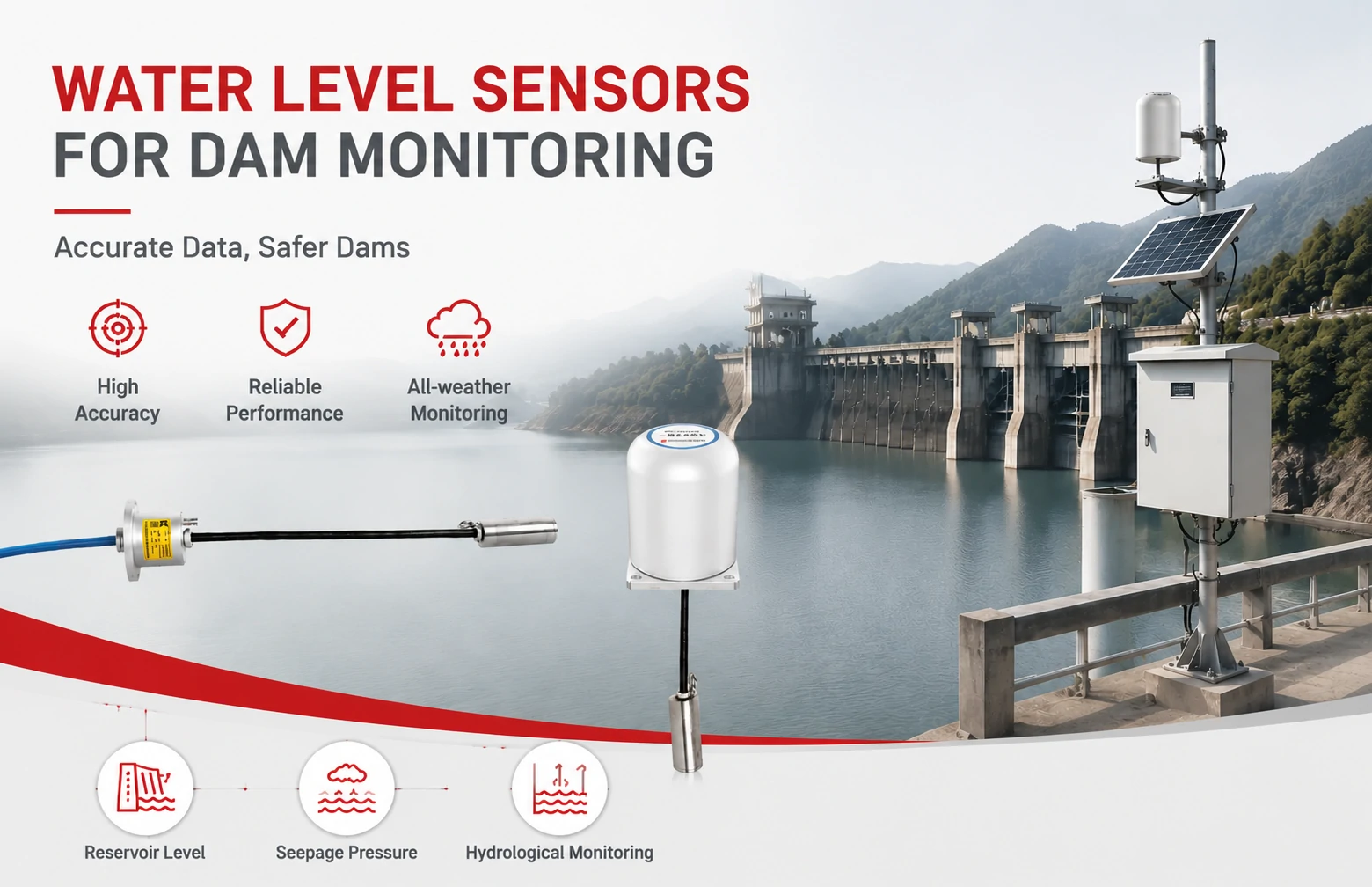
Kingmach Water Level Sensors for Dam Monitoring: A Buyer's Guide to Differential Pre...
Products
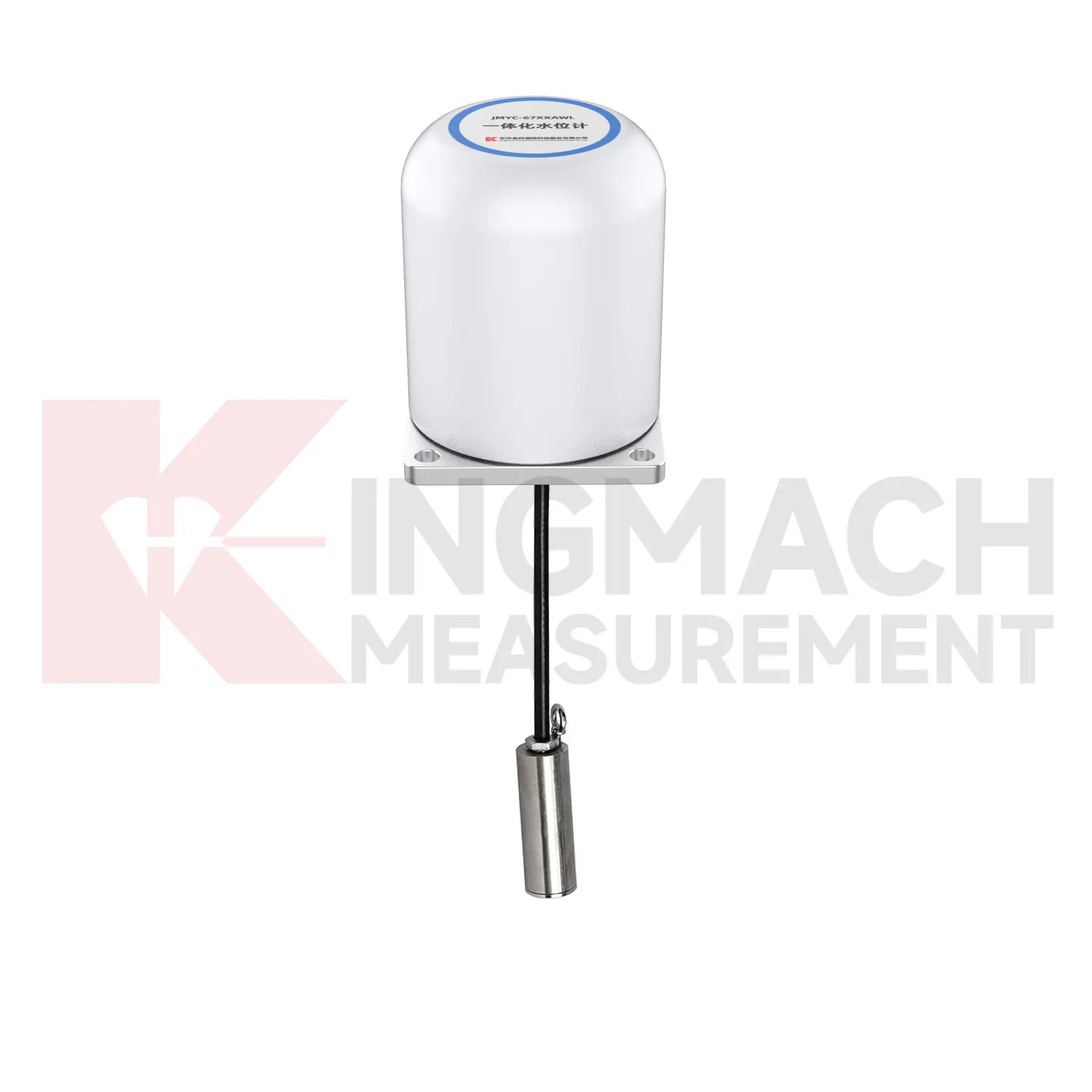
Integrated Wide-Range Differential Pressure Water Level Meter JMYC-67XXAWL
View Details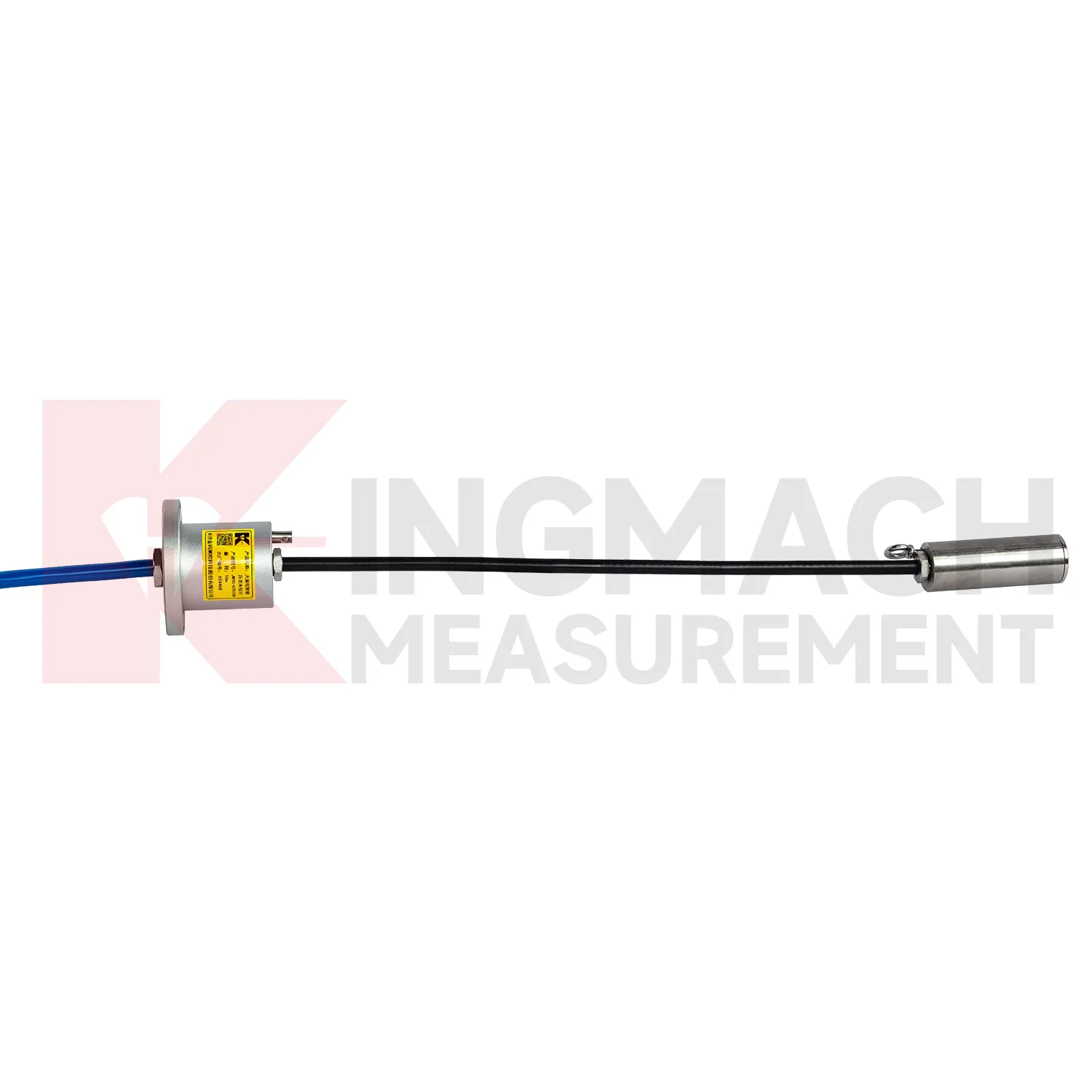
Wide-Range Smart Differential Pressure Water Level Meter JMYC-67XXAD
View Details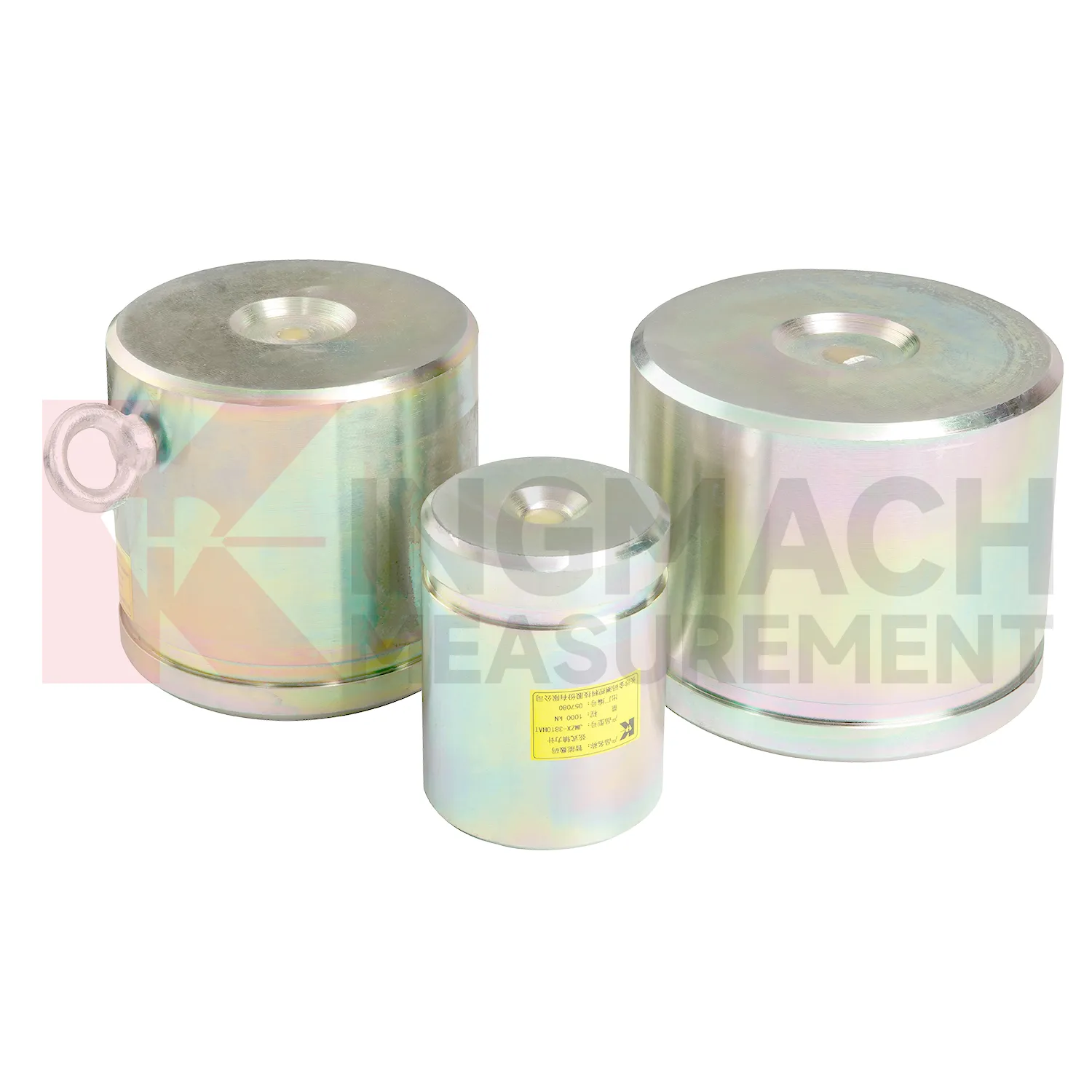
Axial Force Load Meter ( VW & Smart Type)JMZX-38XXHAT
View DetailsFAQ
Smart piezometers digitize the signal inside the probe and store calibration data internally. Conventional VW sensors output a raw frequency that needs manual temperature correction and unit conversion. The smart version gives you direct pressure readings, cuts setup time, and reduces errors from cable joins or reading box drift.
Most models output RS-485 or SDI-12 digital protocols, which are widely supported by geotechnical loggers. We also provide wiring diagrams and Modbus registers so your instrumentation contractor can integrate them. If you’re unsure, send us your logger model—our support team checks compatibility at no charge.
Standard probes start at 19 mm diameter, fitting common 25 mm standpipes. For fully grouted installations, a 76–100 mm borehole is typical to allow sand filter and bentonite seal placement. We can supply smaller custom diameters if your drilling method restricts hole size.
The physical installation follows the same ASTM or local standard as conventional piezometers. The main difference is you’ll run a communication cable instead of a readout wire. We include a commissioning guide, and most technicians pick it up in half a day. For large projects, we can arrange on-site training through our distributor.
The sensor housing and cable are rated for 10+ years in saturated conditions if installed correctly. The real longevity factor is overvoltage protection and stable electronics. Our designs include surge suppression, and we’ve seen units still functioning well after 8 years in a coastal dam environment. Like any instrument, regular zero checks help catch issues early.
Share your product type, target capacity, and application requirements. Our team can review the details and recommend a practical next step.
Related Keywords
If you are interested in our products or want to become our partner.
Please leave your contact information, our team will contact you as soon as possible.
Mail: [email protected]
Contact Us: +8613808434127
Address: No. 188 Tongzipo West Rd, Changsha, Hunan, China