
 EN
EN
 ar
ar bg
bg hr
hr cs
cs da
da nl
nl fi
fi fr
fr de
de el
el hi
hi it
it ko
ko no
no pl
pl pt
pt ro
ro ru
ru es
es sv
sv tl
tl iw
iw id
id lv
lv lt
lt sr
sr sk
sk sl
sl uk
uk vi
vi et
et hu
hu th
th tr
tr fa
fa ms
ms hy
hy ka
ka ur
ur bn
bn mn
mn ta
ta kk
kk uz
uz ku
ku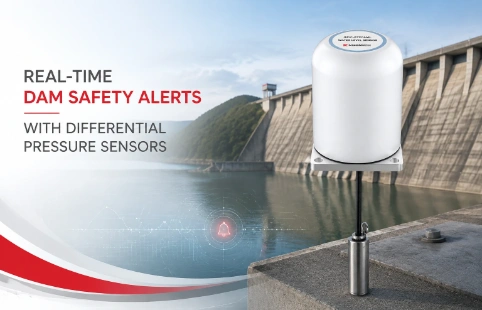
Real-Time Dam Safety Alerts with Differential Pressure Water Level Sensors
Key Takeaways An alert chain needs more than a sensor: define field in...

Kingmach Integrated Central Acquisition Module
In geotechnical monitoring, the real challenge isn’t just placing sensors—it’s getting reliable data from them without a tangled mess of wiring and multiple data loggers. An integrated central acquisition module pulls readings from dozens of instruments into one system, cutting site clutter and giving engineers a cleaner stream of vibration, inclination, or pressure measurements. Kingmach, with years of focus on measurement and monitoring technology, has built a module that fits this need for mid-scale to large projects. Instead of forcing you to adapt your sensors to rigid input types, it’s designed to accommodate various signal formats right out of the box. Field crews waste less time troubleshooting connections, and project managers get faster access to meaningful data. What sets it apart is not a single feature, but the way everything fits together—from initial setup to long-term data stability. The module handles tasks like sampling scheduling, data storage buffering, and remote transmission without needing a PC on site. This makes it practical for dam monitoring, slope stability checks, or foundation instrumentation where consistent logging matters more than fancy interfaces. Kingmach’s approach leans toward practicality: they offer customization for specific sensor mixes and communication protocols, which means you’re not paying for channels you won’t use.
Technical Detail
Kingmach’s integrated central acquisition module is built around the idea that data collection shouldn’t add complexity to a monitoring project. It consolidates readings from multiple sensor types—vibrating wire, resistive, current, and voltage signals—into a single data stream. With channel counts that can be scaled through expansion boards, it accommodates small sites and grows with larger deployments. The module supports automatic timed collection, threshold-triggered sampling, and local storage on SD card or flash memory, so data loss during communication outages is minimal. Communication options typically include RS485, Ethernet, or 4G modules, giving flexibility for on-site LAN or direct cloud push depending on infrastructure. The internal design emphasizes low power consumption, important for solar-powered remote stations. Analog filtering and built-in signal conditioning maintain measurement accuracy across temperature swings that are common in field environments. Kingmach’s technical support teams help with configuration during commissioning, and they also maintain a distribution network that can deliver units and spare parts quickly across regions. Where off-the-shelf units fall short, their engineering group can adapt channel types, enclosure ratings, or firmware features to match project specifications. This combination of robust core functions and adaptation capability makes the module a sensible choice for geotechnical service providers and consulting engineers who value data continuity over marketing buzzwords.
News
Key Takeaways An alert chain needs more than a sensor: define field in...
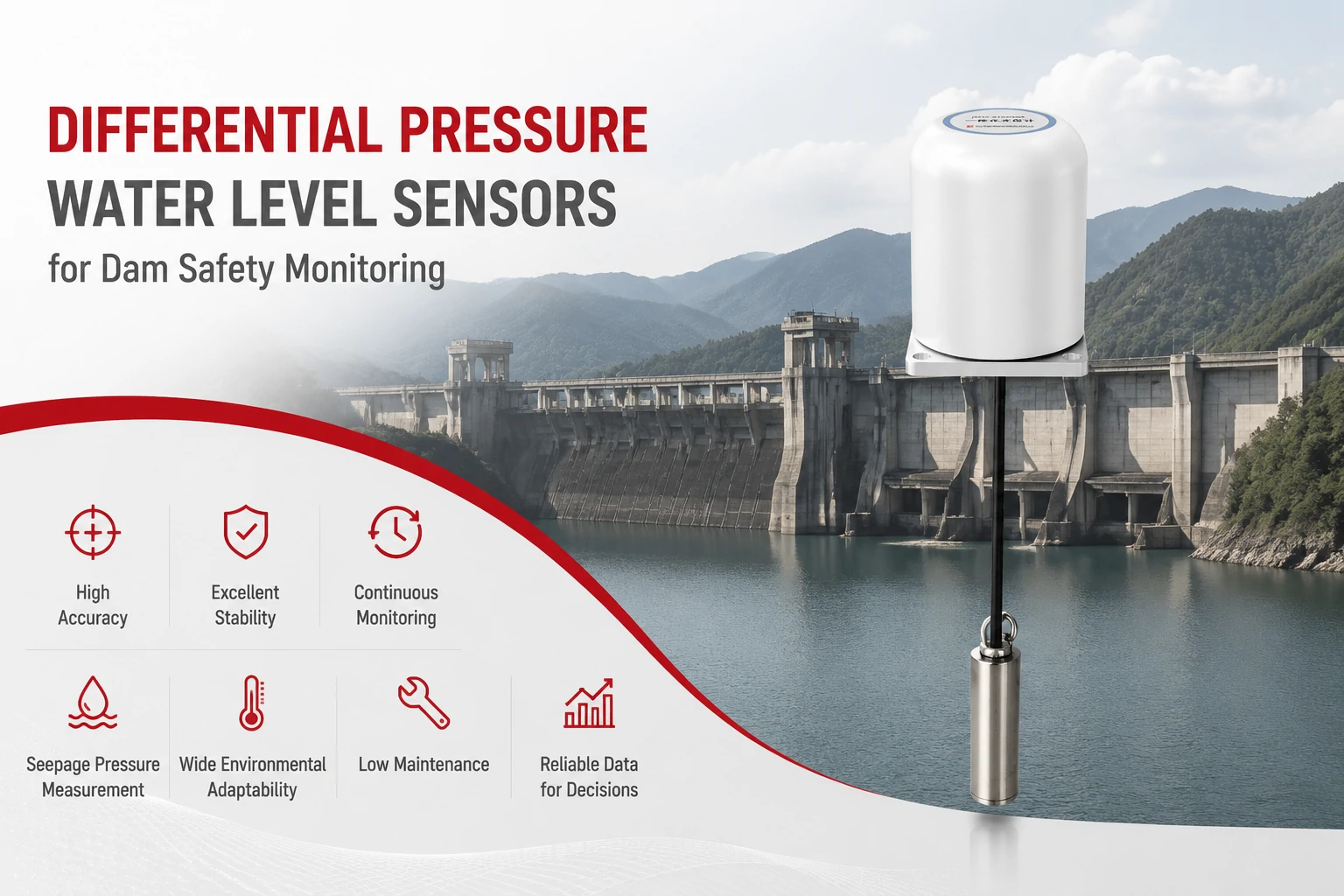
Key Takeaways The strongest fit is usually a confined, submerged, or s...
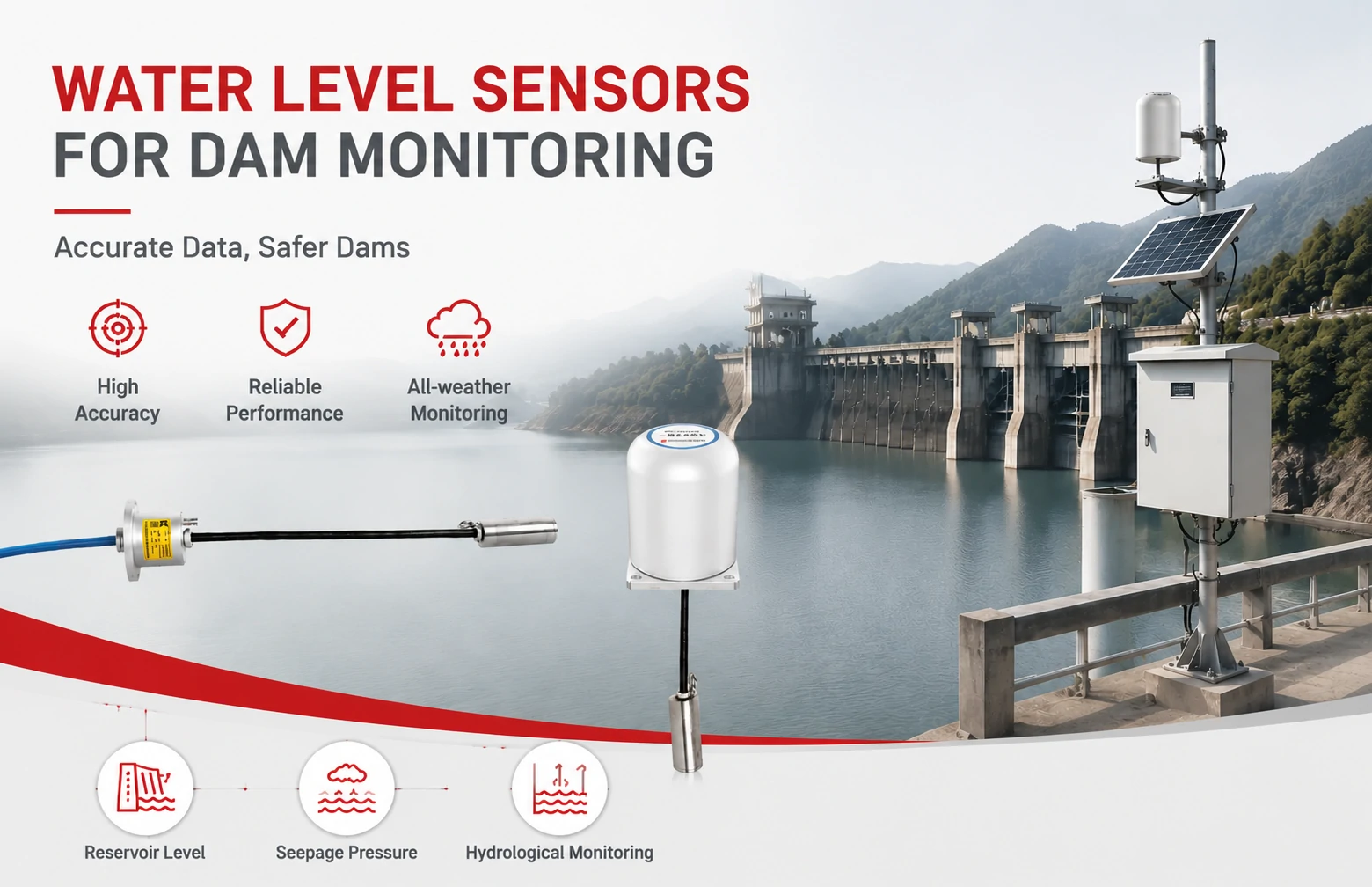
Kingmach Water Level Sensors for Dam Monitoring: A Buyer's Guide to Differential Pre...
Products
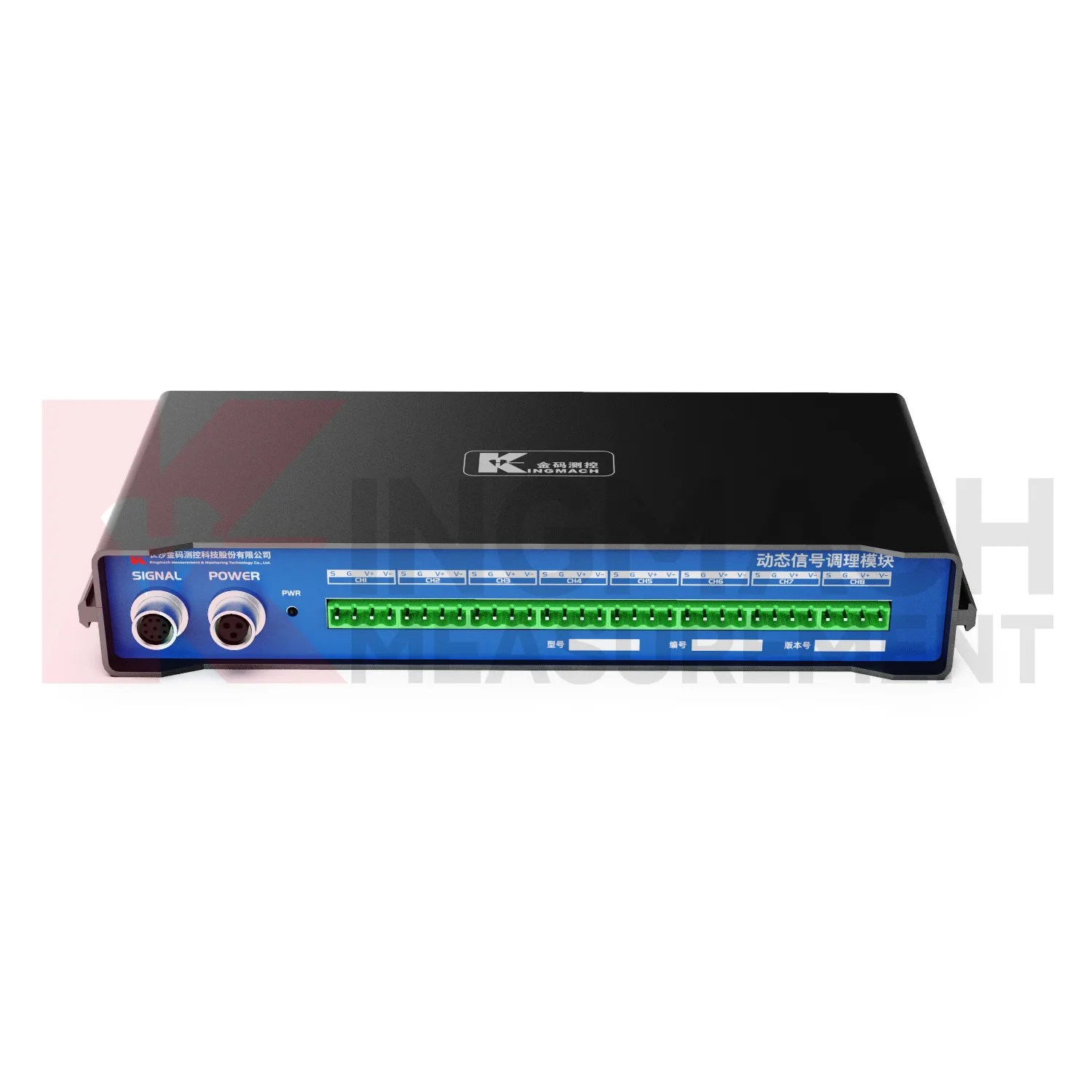
Dynamic signal conditioning moduleJMYD-2008XTA
View Details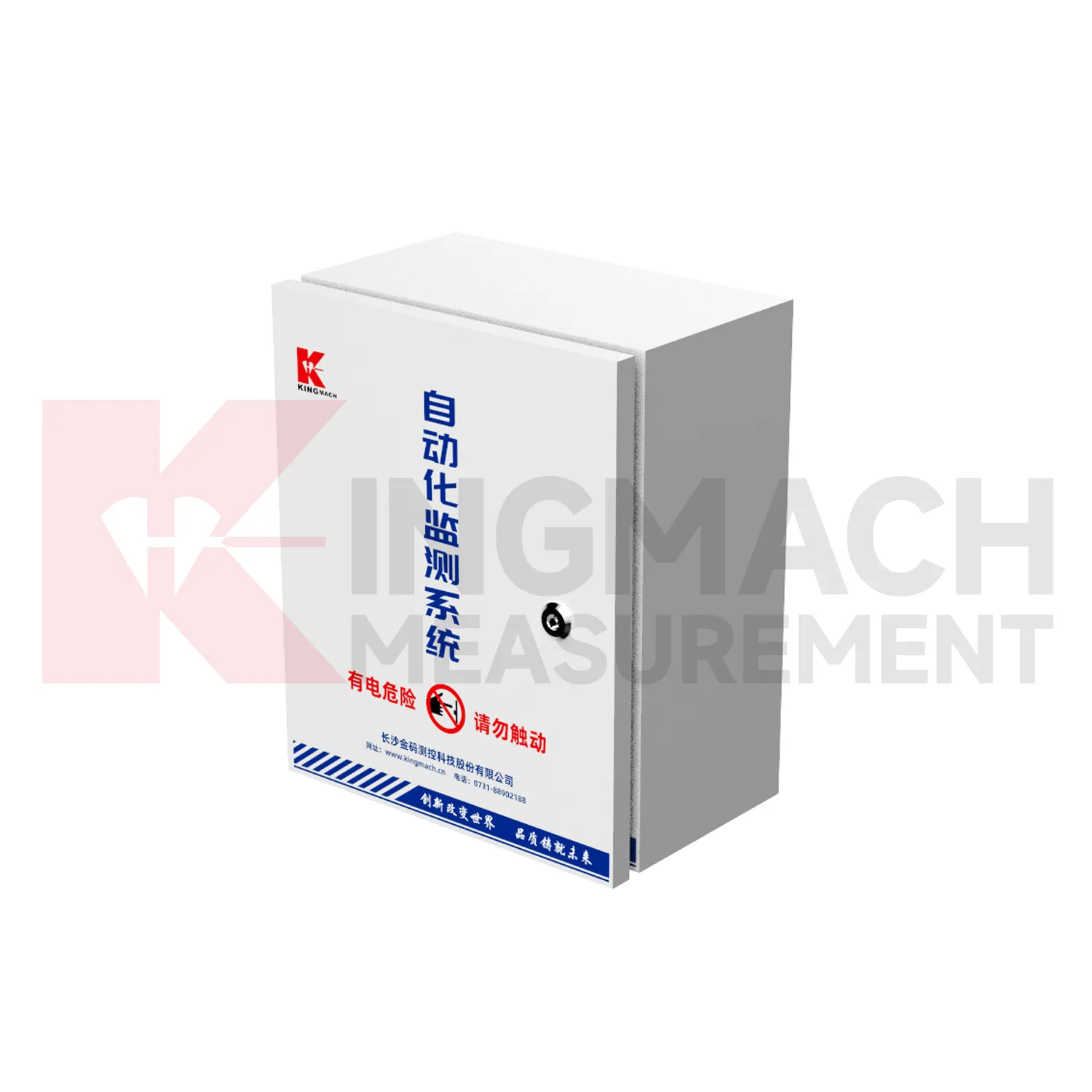
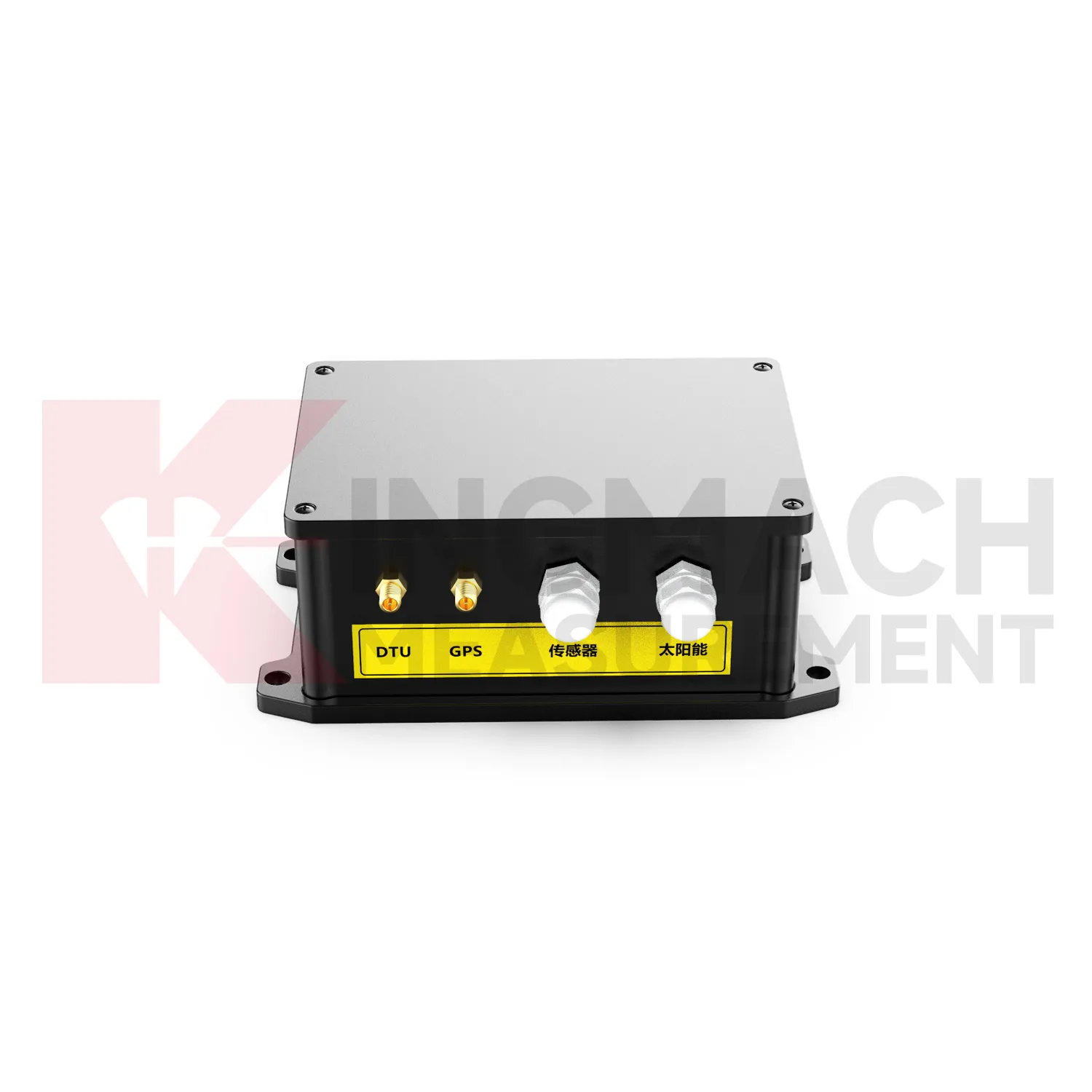
Wireless Data Logger (low power consumption design) JMWX-5RTU
View DetailsFAQ
It depends on configuration, but a base unit typically manages 16 to 64 channels, with expansion boards adding more. The final count varies with sensor mix and sampling rates. Kingmach’s team helps size the system during project planning.
Common options include RS485 for local networks, Ethernet for LAN access, and 4G cellular modules for sites without wired infrastructure. The choice depends on site conditions—solar-powered stations often use low-power 4G for periodic uploads.
Yes, it accepts standard analog signals like 4-20 mA or 0-5 V, and frequency inputs from vibrating wire sensors. As long as sensor output falls within the module’s input range, integration is straightforward. Custom ranges can be set via software.
Kingmach can ship the module with a basic configuration if you provide sensor details ahead of time. You can then adjust sample intervals, alarm thresholds, and communication settings through a PC utility—no coding required, just parameter changes over a serial connection.
Kingmach provides remote technical support via email and phone, and local distributors may offer on-site assistance if needed. Detailed wiring guides and commissioning checklists are supplied to minimize setup delays.
Share your product type, target capacity, and application requirements. Our team can review the details and recommend a practical next step.
If you are interested in our products or want to become our partner.
Please leave your contact information, our team will contact you as soon as possible.
Mail: [email protected]
Contact Us: +8613808434127
Address: No. 188 Tongzipo West Rd, Changsha, Hunan, China