
 EN
EN
 ar
ar bg
bg hr
hr cs
cs da
da nl
nl fi
fi fr
fr de
de el
el hi
hi it
it ko
ko no
no pl
pl pt
pt ro
ro ru
ru es
es sv
sv tl
tl iw
iw id
id lv
lv lt
lt sr
sr sk
sk sl
sl uk
uk vi
vi et
et hu
hu th
th tr
tr fa
fa ms
ms hy
hy ka
ka ur
ur bn
bn mn
mn ta
ta kk
kk uz
uz ku
ku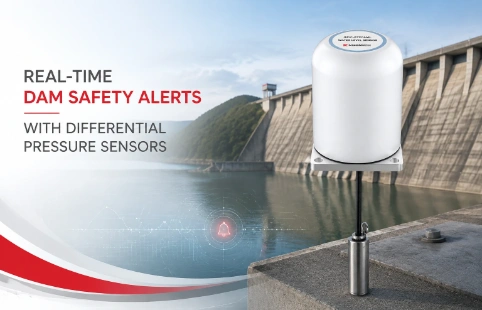
Real-Time Dam Safety Alerts with Differential Pressure Water Level Sensors
Key Takeaways An alert chain needs more than a sensor: define field in...

Data Loggers that Handle the Field
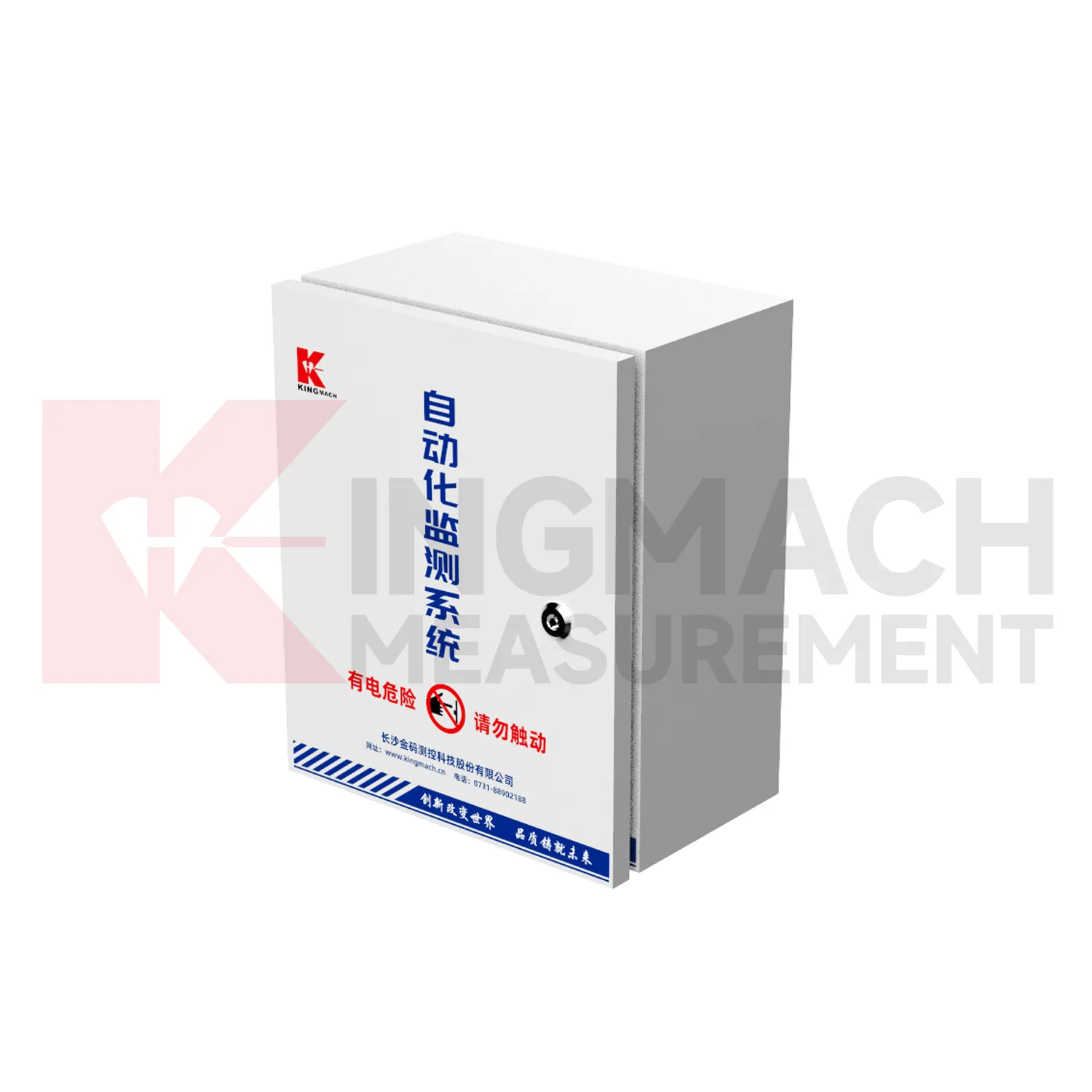
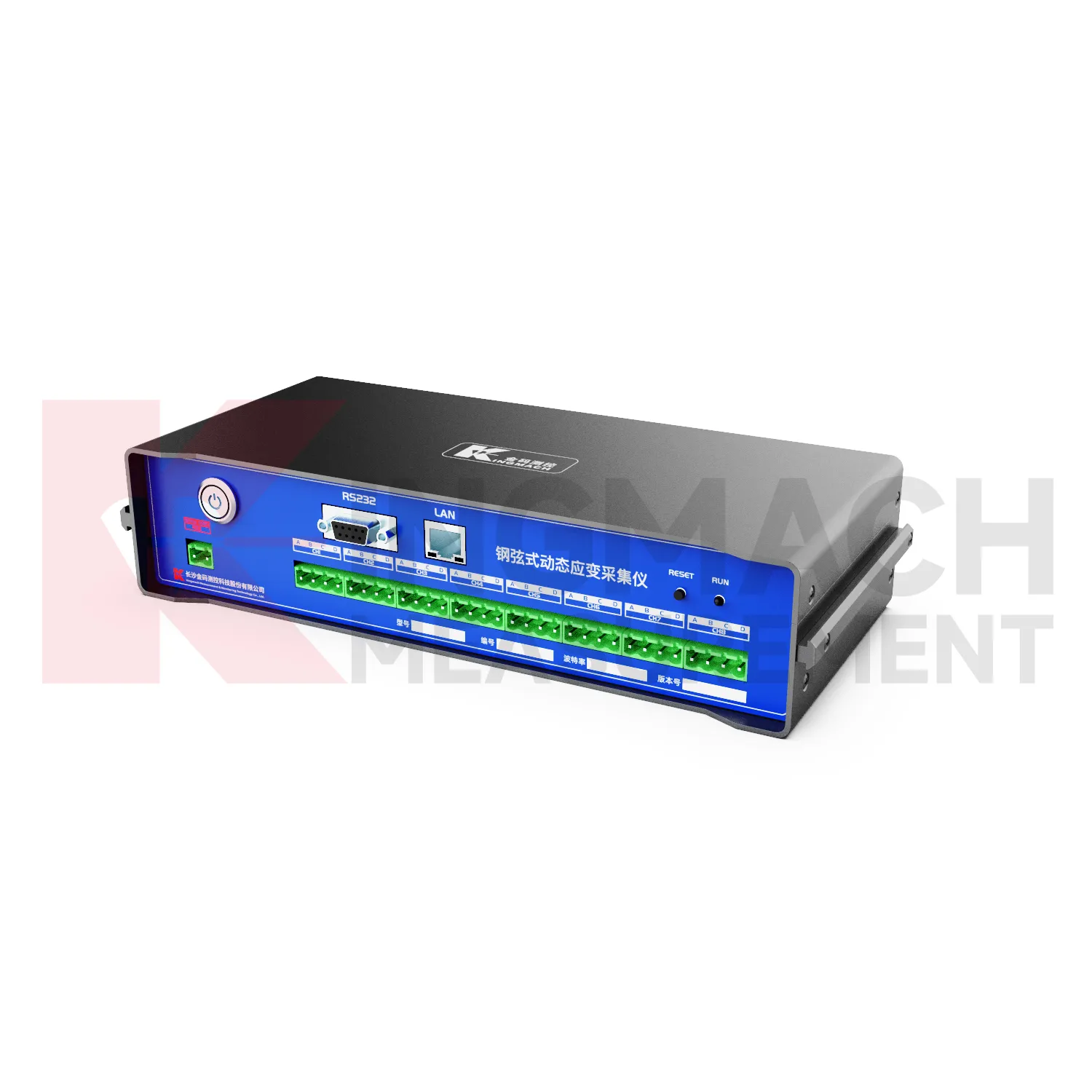
Monitoring soil movement or structural stress means your equipment has to work where conditions aren't ideal. Kingmach data loggers are built for that. We've been supplying geotechnical instruments for years, and the loggers reflect what we've learned from sites around the world: they need to be simple to connect, dependable across temperature swings, and compatible with a range of sensor types. Instead of listing features, here's what you can expect: a logger that doesn't stop recording when the temperature drops below freezing, a setup that takes minutes rather than hours, and data you can retrieve without trekking through mud with a laptop. We offer models with different channel counts and storage capacities, so you're not paying for more than you need. Custom firmware or special connector requests? We handle those too, often without long lead times.
Technical Detail
Our data loggers cover the middle ground where budget meets reliability. They record from common geotechnical sensors—vibrating wire, strain gauges, thermistors, and 4–20 mA transmitters. Channel counts range from 4 to 32, with options for single-ended or differential inputs, which matters when you're running long cables in noisy environments. Sampling rates are configurable down to one second per channel, and memory holds millions of timestamped data points, so you can leave a site unattended for months. Power consumption is low; a single lithium battery pack typically lasts a full season. For compatibility, we test with sensors from all major manufacturers. The loggers output MODBUS RTU over RS-485, and we have SDI-12 variants for environmental work. If your network uses wireless, we integrate with 4G and LoRa modules, handling the protocol mapping so your SCADA reads directly. The aluminum enclosure carries an IP65 rating—dust-tight and protected against rain. Mounting flanges fit standard DIN rails or wall brackets. We provide software that plots trends and lets you export CSV, but we also document the communication protocol fully, so you can write your own interface. For projects that need something non-standard, our engineers can tweak the input conditioning or add a custom splash screen. This is practical gear, not laboratory silverware.
News
Key Takeaways An alert chain needs more than a sensor: define field in...
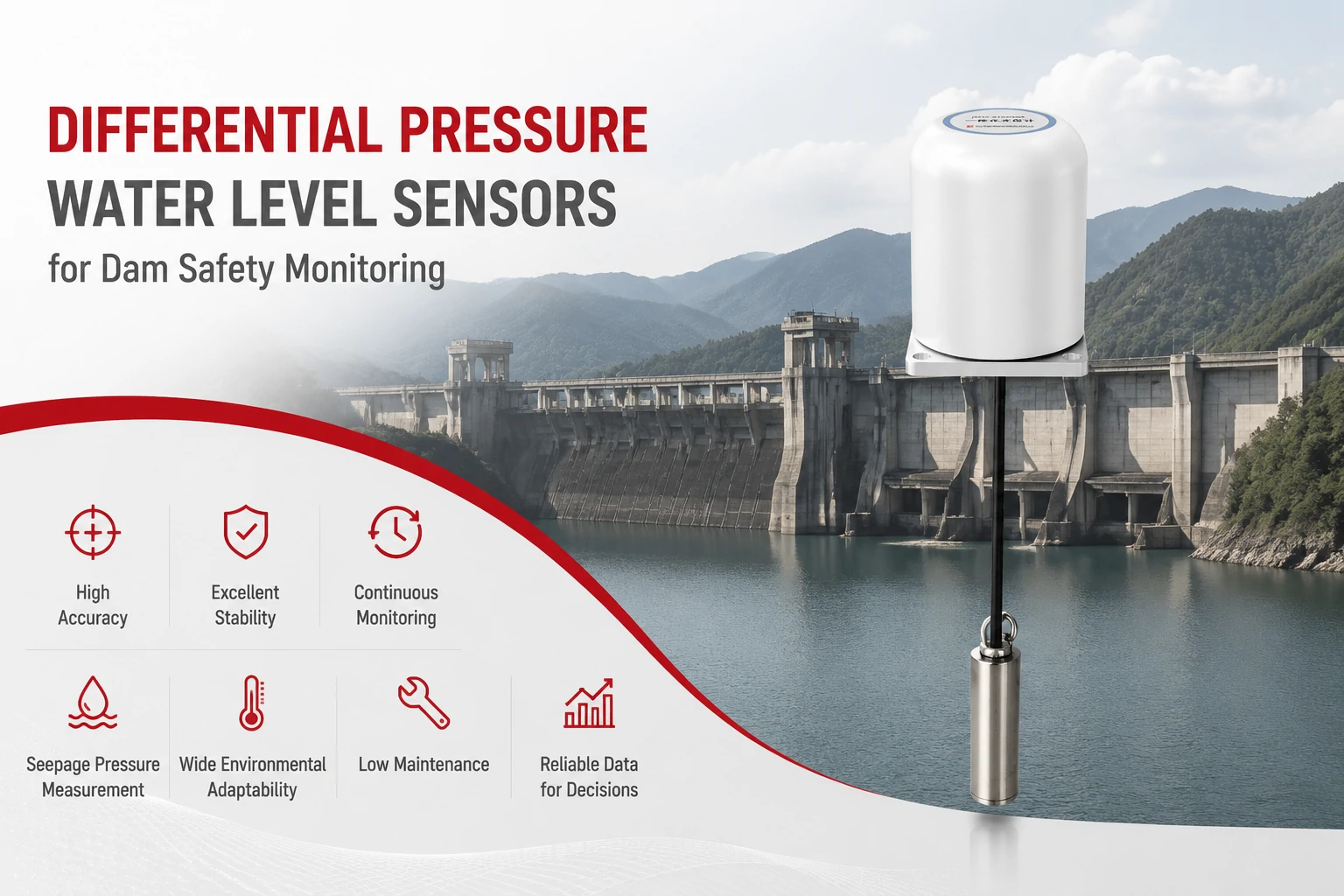
Key Takeaways The strongest fit is usually a confined, submerged, or s...
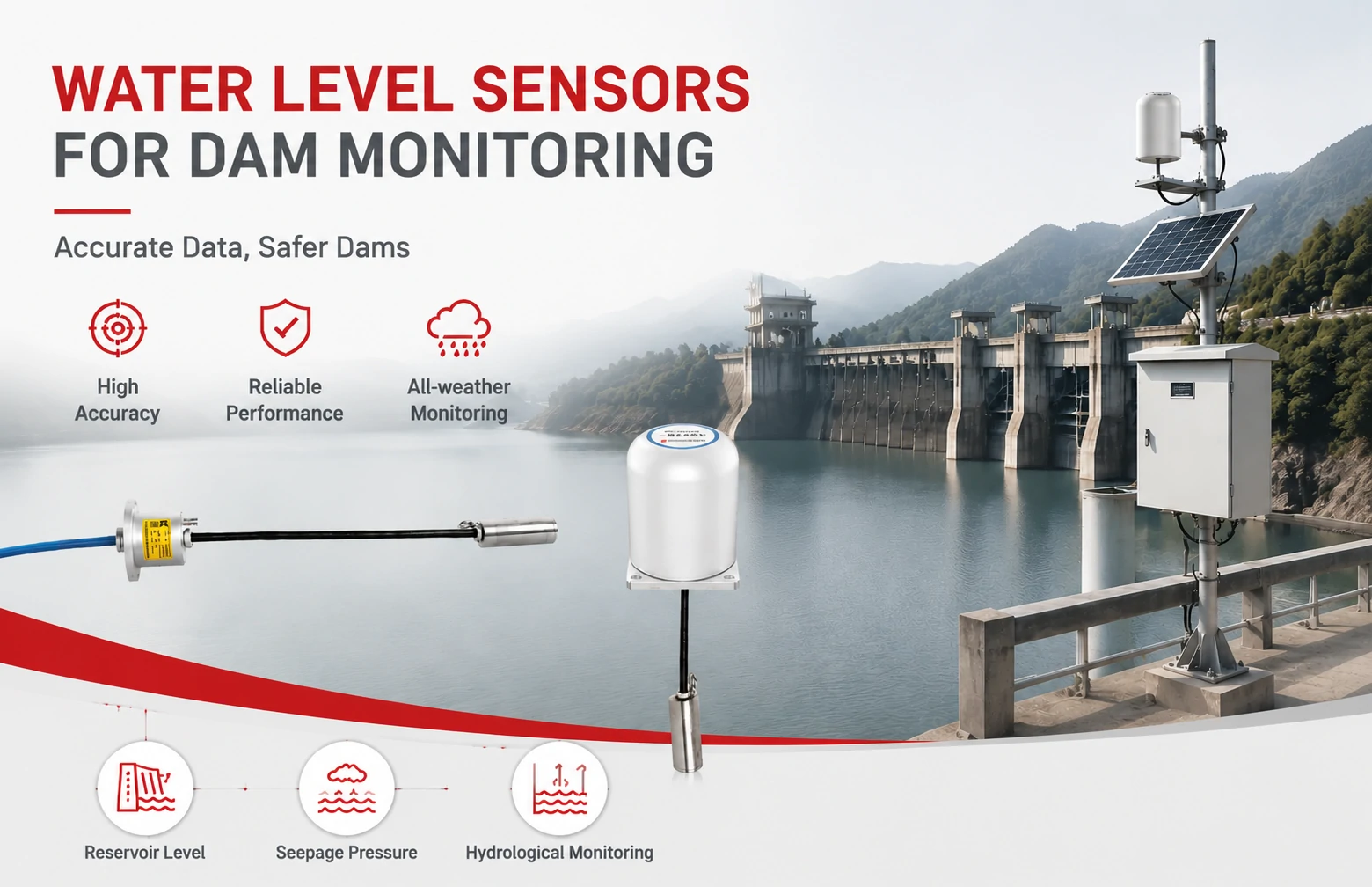
Kingmach Water Level Sensors for Dam Monitoring: A Buyer's Guide to Differential Pre...
Products
FAQ
It shows up in small signal measurements. A 16-bit ADC gives you about 65,000 counts over the input range; a 24-bit pushes that past 16 million. In practice, with a vibrating wire sensor, 16-bit is fine for crack width monitoring, but 24-bit helps when you're looking for micro-strain changes in concrete. Our 24-bit models also use oversampling internally to filter out 50/60Hz noise, so you don't need to add signal conditioners.
Yes. We test our loggers with Geokon, RST, and Soil Instruments sensors routinely. The input circuits have trimpots for adjusting gain and offset, and the software lets you set the calibration factors per channel. Match the sensor's excitation requirements and you're set. If you have an unusual sensor, send us the spec sheet and we'll confirm compatibility.
The logger stores data locally first. You can collect it via USB when visiting, or add a 4G/LoRa module for scheduled pushes. We support MQTT and FTP uploads. Configuration and data collection are entirely scriptable, so if you have your own data management system, you can integrate without our middleware. Cellular options work with roaming SIMs, which matters for border-area projects.
It means the enclosure passed tests with water jets and dust. In field terms, you can mount it outdoors without an extra shelter, as long as it's not submerged. The cable glands are sized for 5–9mm sensor cables, and we include blanking plugs for unused ports. Still, we recommend avoiding direct sun on the enclosure in hot climates—a simple sun shield improves internal temperature stability.
No. The protocol is open; we provide a MODBUS map document. You can poll the logger directly from LabVIEW or Python. Our Windows software is free and handles firmware updates, but you're not locked in. For system integrators, we maintain a command set that covers all operations, including scheduled triggers and alarm thresholds.
Share your product type, target capacity, and application requirements. Our team can review the details and recommend a practical next step.
If you are interested in our products or want to become our partner.
Please leave your contact information, our team will contact you as soon as possible.
Mail: [email protected]
Contact Us: +8613808434127
Address: No. 188 Tongzipo West Rd, Changsha, Hunan, China