
 EN
EN
 ar
ar bg
bg hr
hr cs
cs da
da nl
nl fi
fi fr
fr de
de el
el hi
hi it
it ko
ko no
no pl
pl pt
pt ro
ro ru
ru es
es sv
sv tl
tl iw
iw id
id lv
lv lt
lt sr
sr sk
sk sl
sl uk
uk vi
vi et
et hu
hu th
th tr
tr fa
fa ms
ms hy
hy ka
ka ur
ur bn
bn mn
mn ta
ta kk
kk uz
uz ku
ku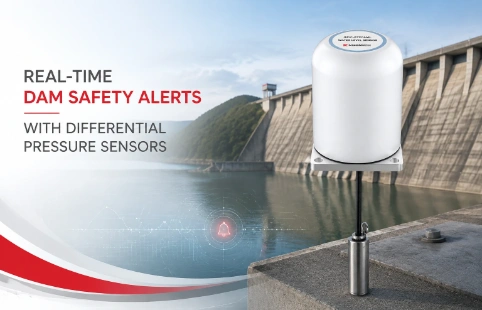
Real-Time Dam Safety Alerts with Differential Pressure Water Level Sensors
Key Takeaways An alert chain needs more than a sensor: define field in...

100kg Load Cell: Practical Solutions for Weighing and Force
A packaging line that overfills by just a few grams per bag can lose tonnes of product in a year. In those settings, the 100kg load cell is often the critical sensing element inside the weighing module. Kingmarch supplies these sensors to OEMs and integrators who build bench scales, hopper weighers, and test stands. The focus is on sensors that deliver repeatable data shift after shift, without drifting when ambient temperatures swing or when side forces creep in. Whether your project calls for an aluminum single-point for a retail scale or a stainless steel S-beam for a process vessel, we can match the right 100kg cell to the task. With in-house customization, quick technical feedback, and distribution in multiple regions, Kingmarch aims to keep down time and lead time short.
Technical Detail
A 100kg load cell sits at the heart of many low-capacity weighing applications. Common configurations include single-point cells for platform scales up to 600x600 mm, S-type cells for tension measurements, and beam cells for small hoppers. Typical rated output falls around 2.0 or 3.0 mV/V, with precision levels like C3 (3000 divisions) often used in legal-for-trade scales. Ingress protection ratings such as IP65 or IP67 are standard, and cable options include shielded PVC or PUR for tougher environments. Kingmarch produces these sensors as a mid-range professional manufacturer, so you get functional reliability without paying for unneeded certifications. Our production covers aluminum, alloy steel, and stainless steel bodies, with temperature compensation from -10°C to +40°C or wider on request. Many customers integrate 100kg cells into filling machines, checkweighers, bagging stations, and material testing frames. We support analog output for direct connection to indicators, or we can supply the sensor with a digital amplifier ready for Modbus or other field bus communications. Custom mounting threads, creep adjustment, and overload stops are available when the standard catalog does not fit. All products come with factory calibration data, and we offer remote troubleshooting to assist your commissioning teams. With distribution partners in Southeast Asia, the Middle East, and Europe, we can arrange samples and small orders quickly for evaluation.
News
Key Takeaways An alert chain needs more than a sensor: define field in...
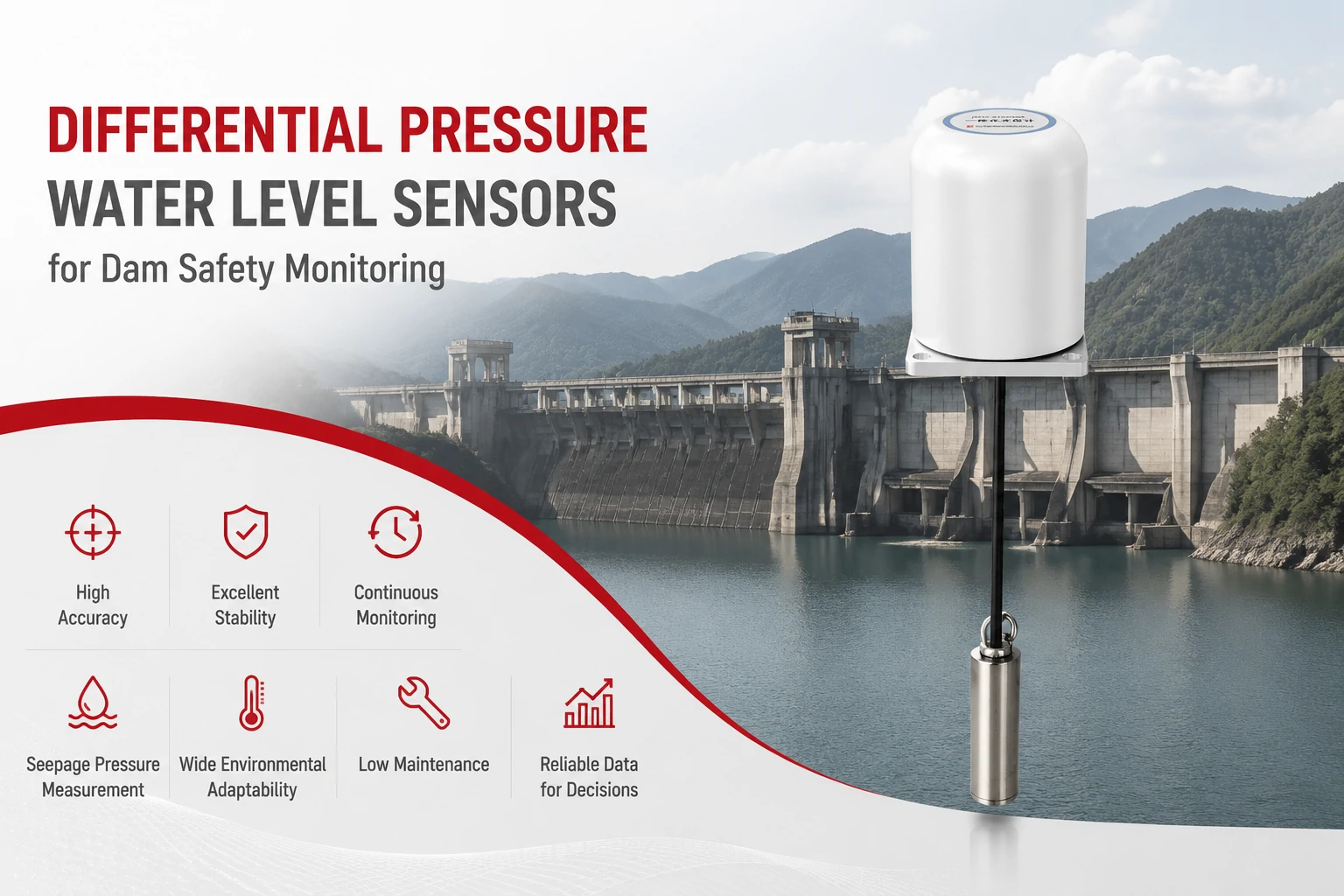
Key Takeaways The strongest fit is usually a confined, submerged, or s...
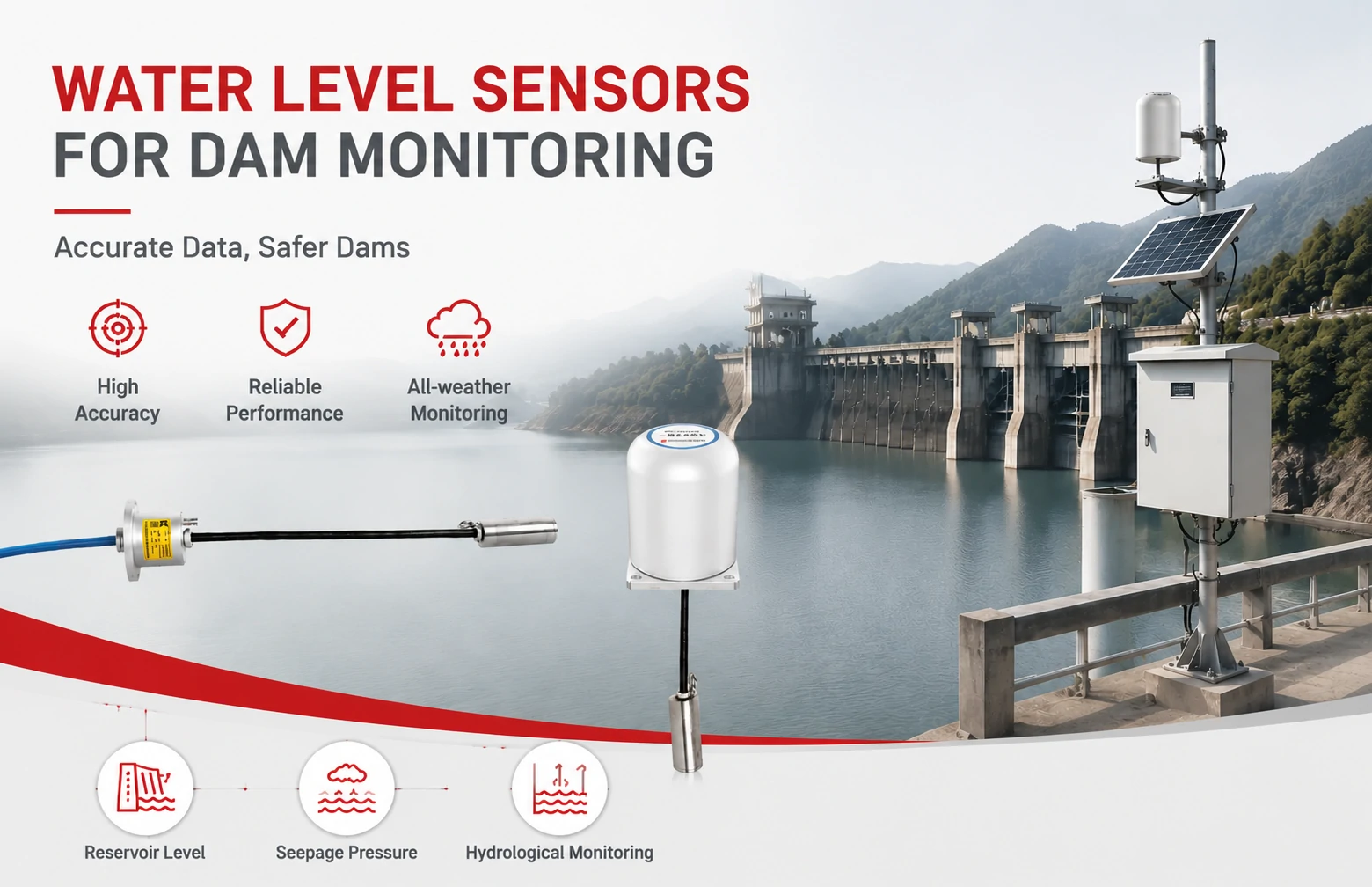
Kingmach Water Level Sensors for Dam Monitoring: A Buyer's Guide to Differential Pre...
Products
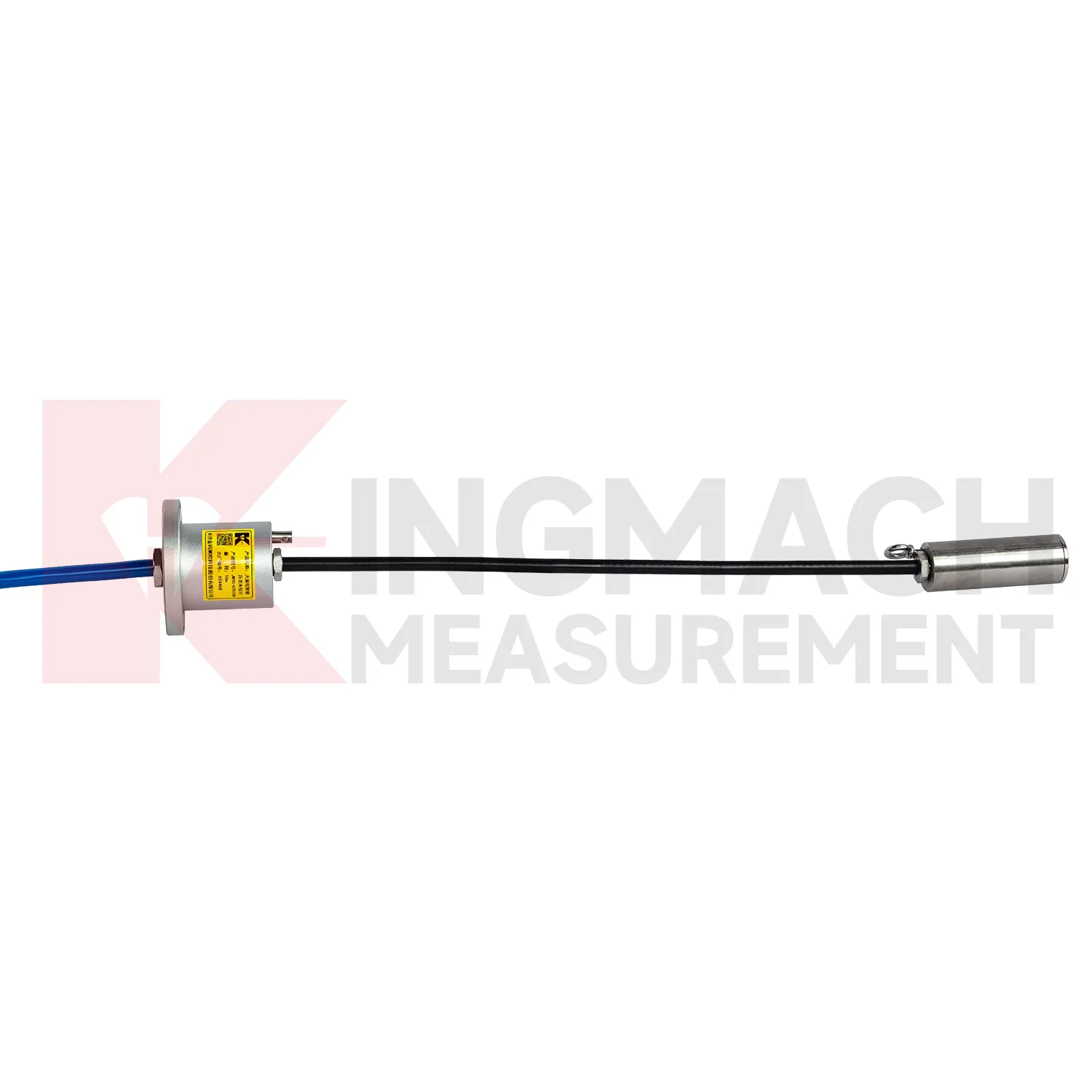
Wide-Range Smart Differential Pressure Water Level Meter JMYC-67XXAD
View Details
Smart Vibrating Wire PiezometerSmart Piezometers (VW) JMZX-55XXHAT
View Details
Smart Formwork Axial Force Meter(VW)JMZX-39XXHAT
View DetailsFAQ
The most common is an analog millivolt signal, usually 2 mV/V or 3 mV/V, which goes straight into a weight indicator or a PLC analogue input. For easier setup or longer cable runs, we also supply versions with an integrated amplifier that output 0–10 V or 4–20 mA. Digital outputs like RS485 (Modbus RTU) are an option if you need to network multiple sensors or reduce noise pickup.
It depends on the type. S-beam load cells are designed for inline tension and compression, so a 100kg S-beam works well in hanging scale applications or force testing jigs. Single-point cells and beam cells are primarily made for compression but can sometimes handle limited tension if you fix them properly through threaded holes—contact our engineers with your mounting arrangement.
Most of our standard 100kg cells have IP65, which means they are dust-tight and protected against low-pressure water jets. That covers typical indoor industrial use, like a packing area with occasional washdown. If you need long-term outdoor use or direct hose-down cleaning, ask for IP67 or IP68 sealing; those models have additional potting and O-ring seals on the cable entry and covers.
Aluminum works fine in dry, corrosion-free environments—think bench scales inside a lab or a shipping station. It costs less and responds faster because it is lighter. Stainless steel holds up against moisture, mild chemicals, and temperature fluctuations, so it is the safer choice for food processing, marine, or outdoor weighing. Many engineers start with aluminum for prototyping and move to stainless for the field.
Every cell leaves our factory with a calibration sheet showing rated output, zero balance, linearity error, and input/output resistance. Even if you order a single sample for evaluation, you receive that data. It is how we make sure your first integration goes smoothly without guesswork.
Share your product type, target capacity, and application requirements. Our team can review the details and recommend a practical next step.
If you are interested in our products or want to become our partner.
Please leave your contact information, our team will contact you as soon as possible.
Mail: [email protected]
Contact Us: +8613808434127
Address: No. 188 Tongzipo West Rd, Changsha, Hunan, China