
 EN
 ar
 bg
 hr
 cs
 da
 nl
 fi
 fr
 de
 el
 hi
 it
 ko
 no
 pl
 pt
 ro
 ru
 es
 sv
 tl
 iw
 id
 lv
 lt
 sr
 sk
 sl
 uk
 vi
 et
 hu
 th
 tr
 fa
 ms
 hy
 ka
 ur
 bn
 mn
 ta
 kk
 uz
 ku

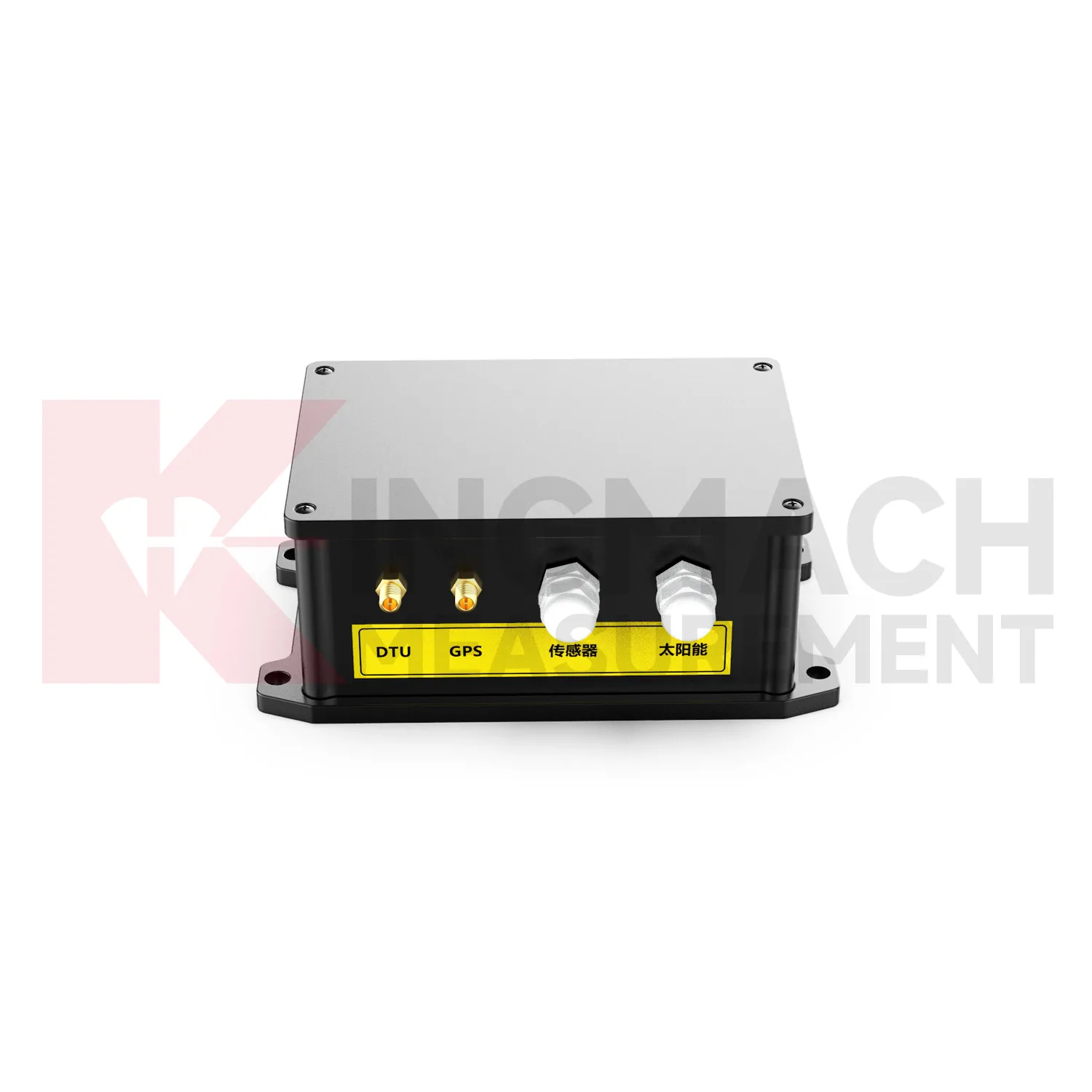
wireless acquisition module
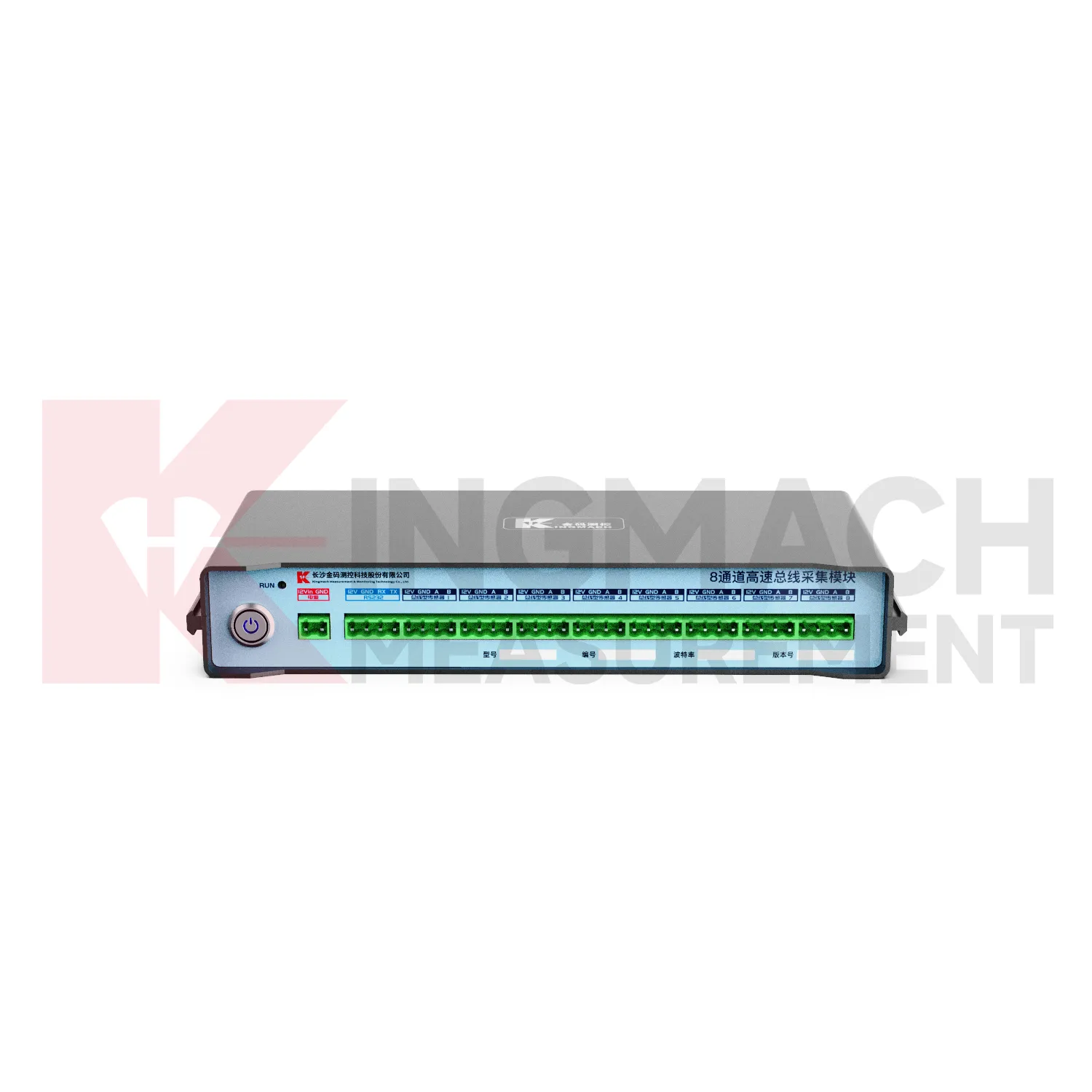
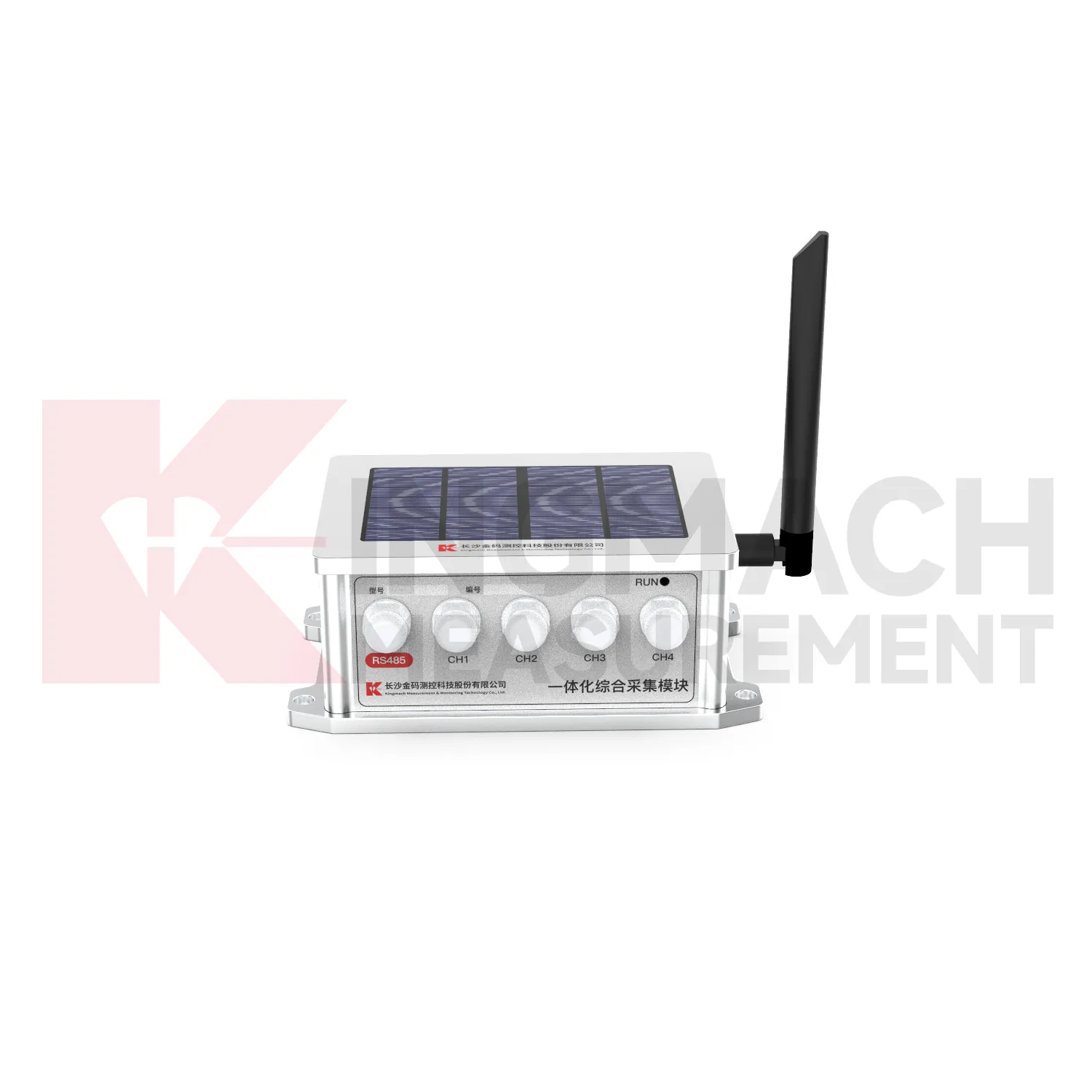
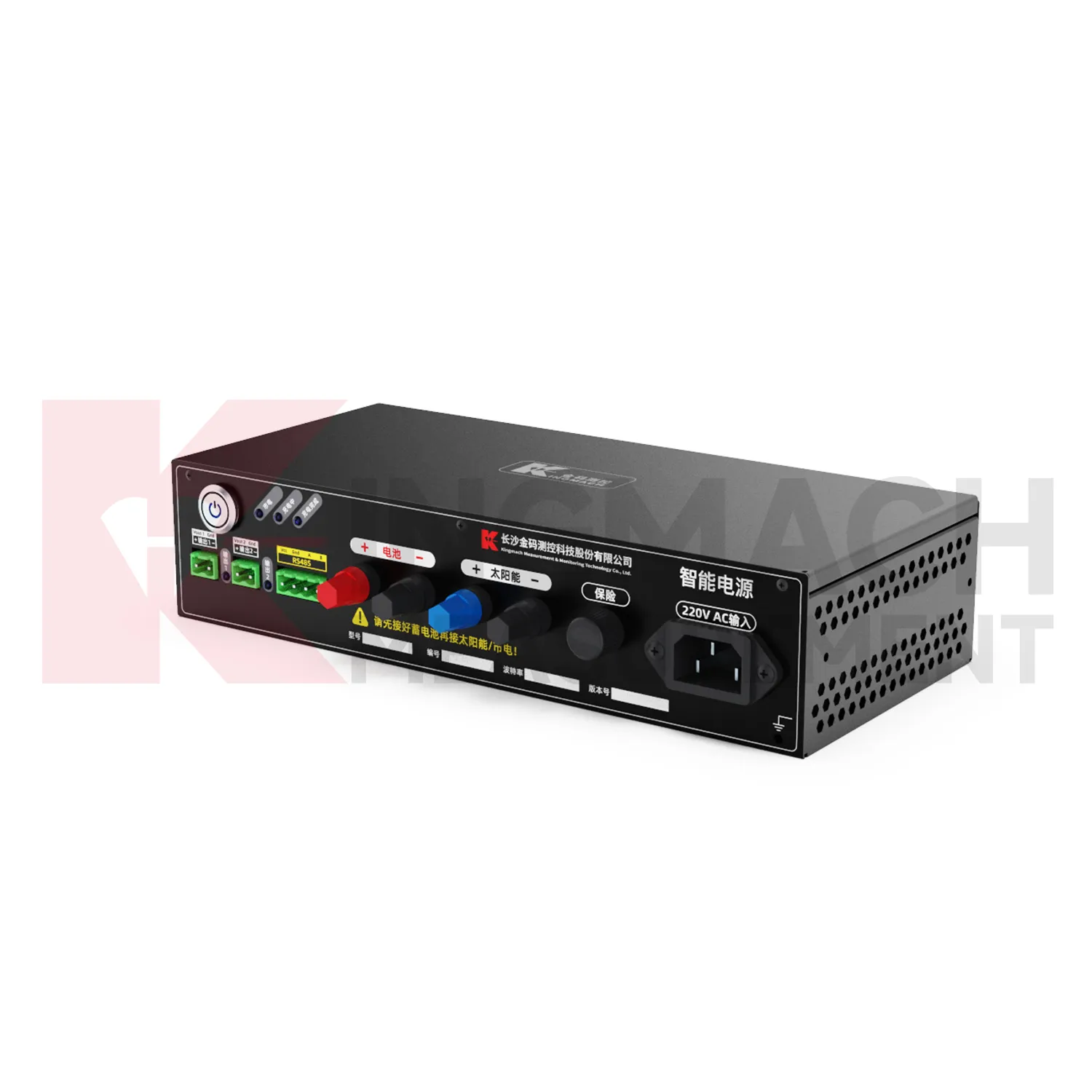
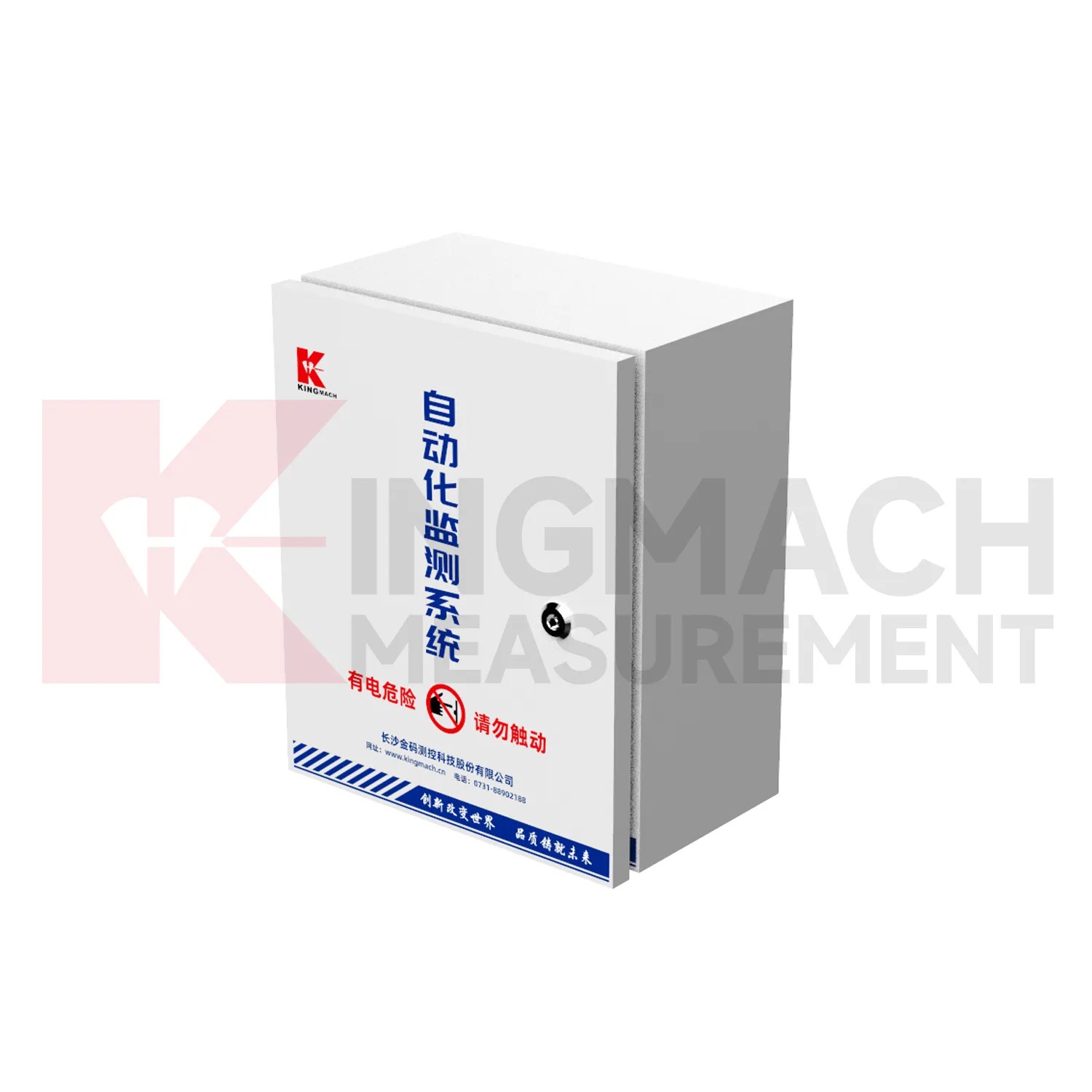
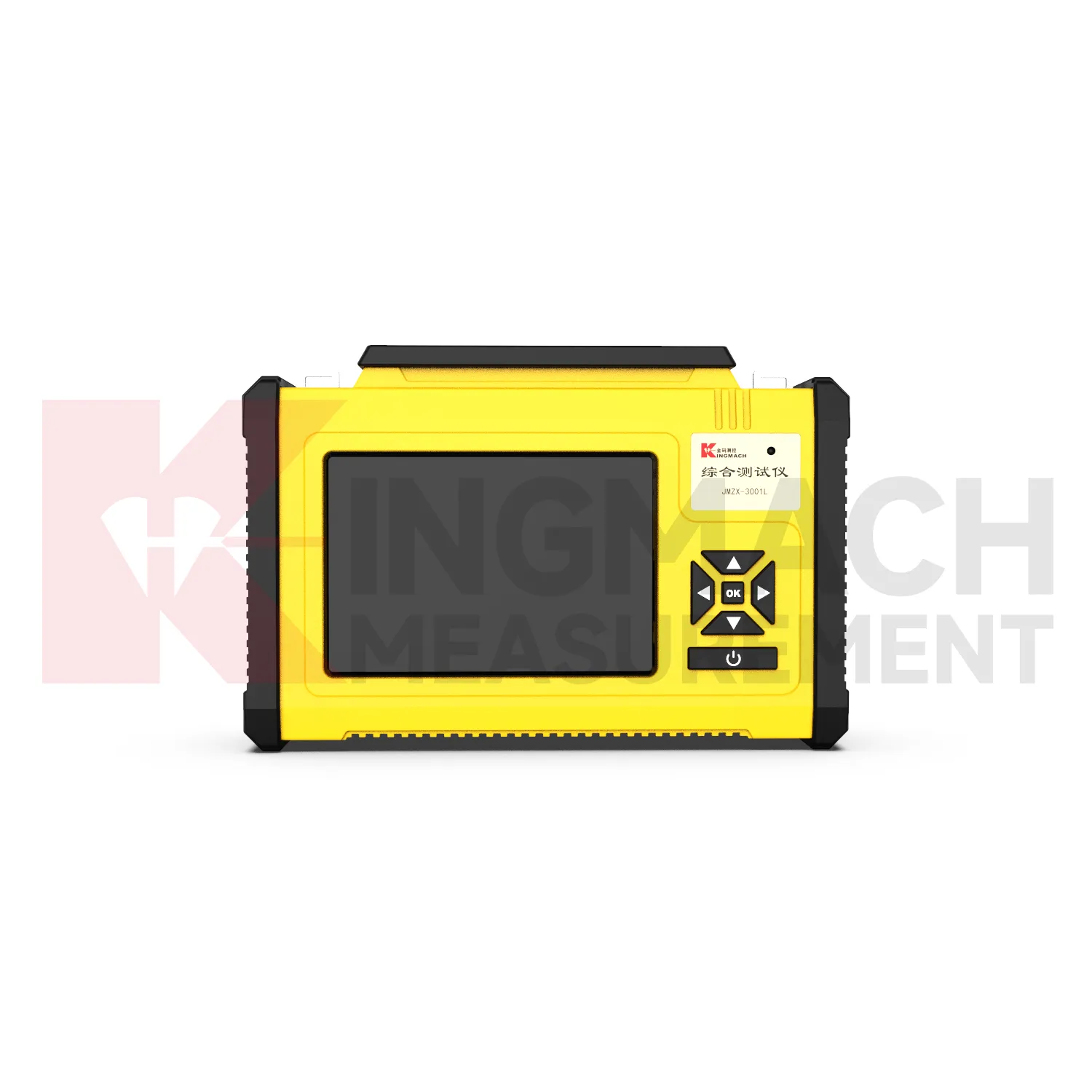
Kingmach wireless acquisition module provide acquisition support for projects where readings must remain traceable long after the first inspection round has ended. A single number rarely explains the condition of a structure by itself. Engineers need the measuring point, time, operating mode, instrument status, field activity, and reviewer responsibility to stay connected as one usable record. Portable units help crews confirm sensors during installation, investigate doubtful values, and take comparison readings during maintenance visits. Fixed and wireless units help the owner keep a regular history when the station is difficult to reach or when readings are needed outside normal working hours. The acquisition plan should define how channel names are created, how files are exported, who checks missing readings, who confirms alarms, and how corrected notes are preserved. This is especially important on bridges, tunnels, dams, slopes, railways, deep excavations, and industrial test areas where several teams may handle the same station over time. When the logger, readout, communication path, and reporting process are arranged as one operating chain, long-term monitoring becomes easier to audit, compare, and hand over without losing the meaning behind the measured values. During procurement, it also helps to confirm whether the instrument will be used by trained monitoring staff, general site personnel, or a remote service team, because each working pattern affects display clarity, file handling, enclosure access, communication recovery, and daily checking routines.
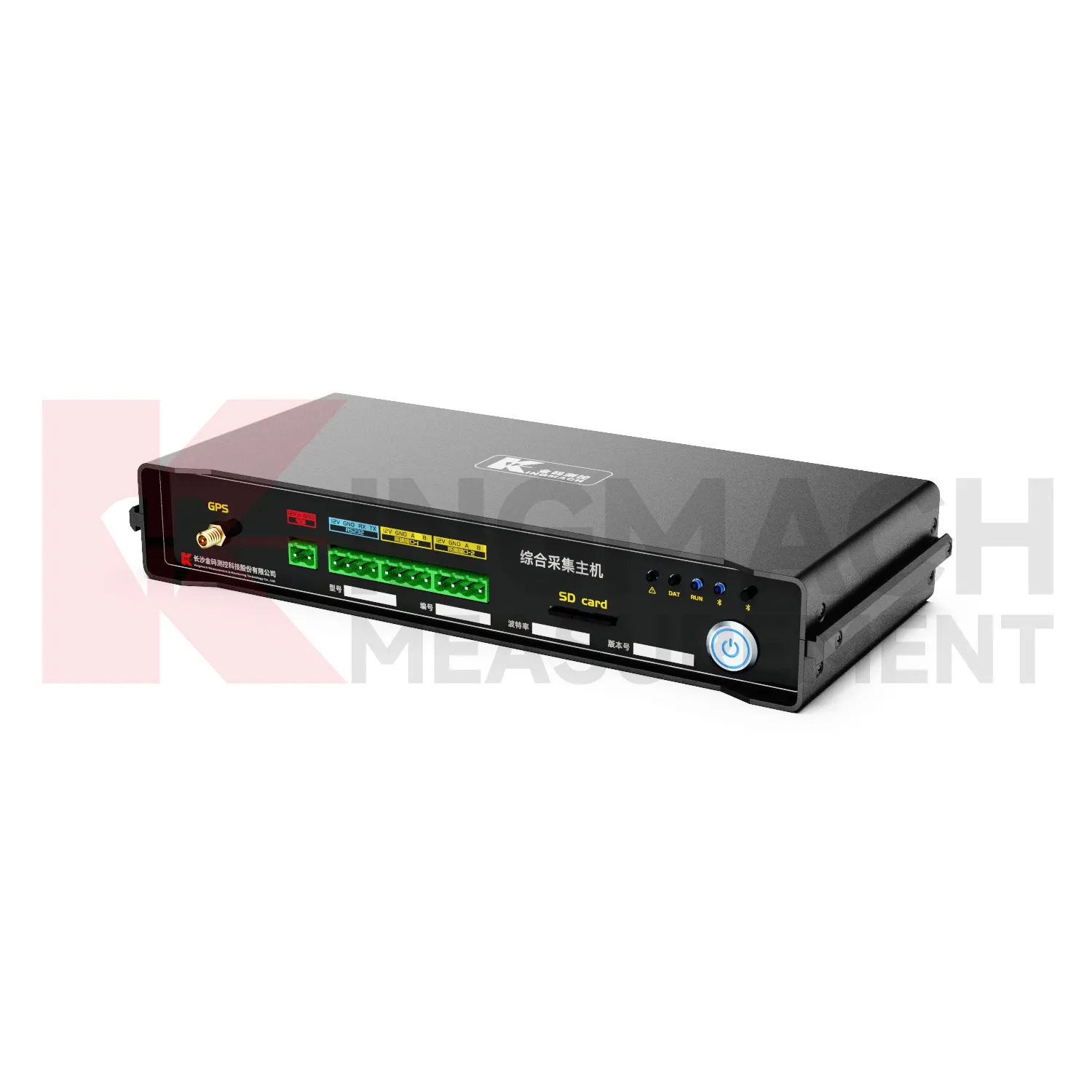
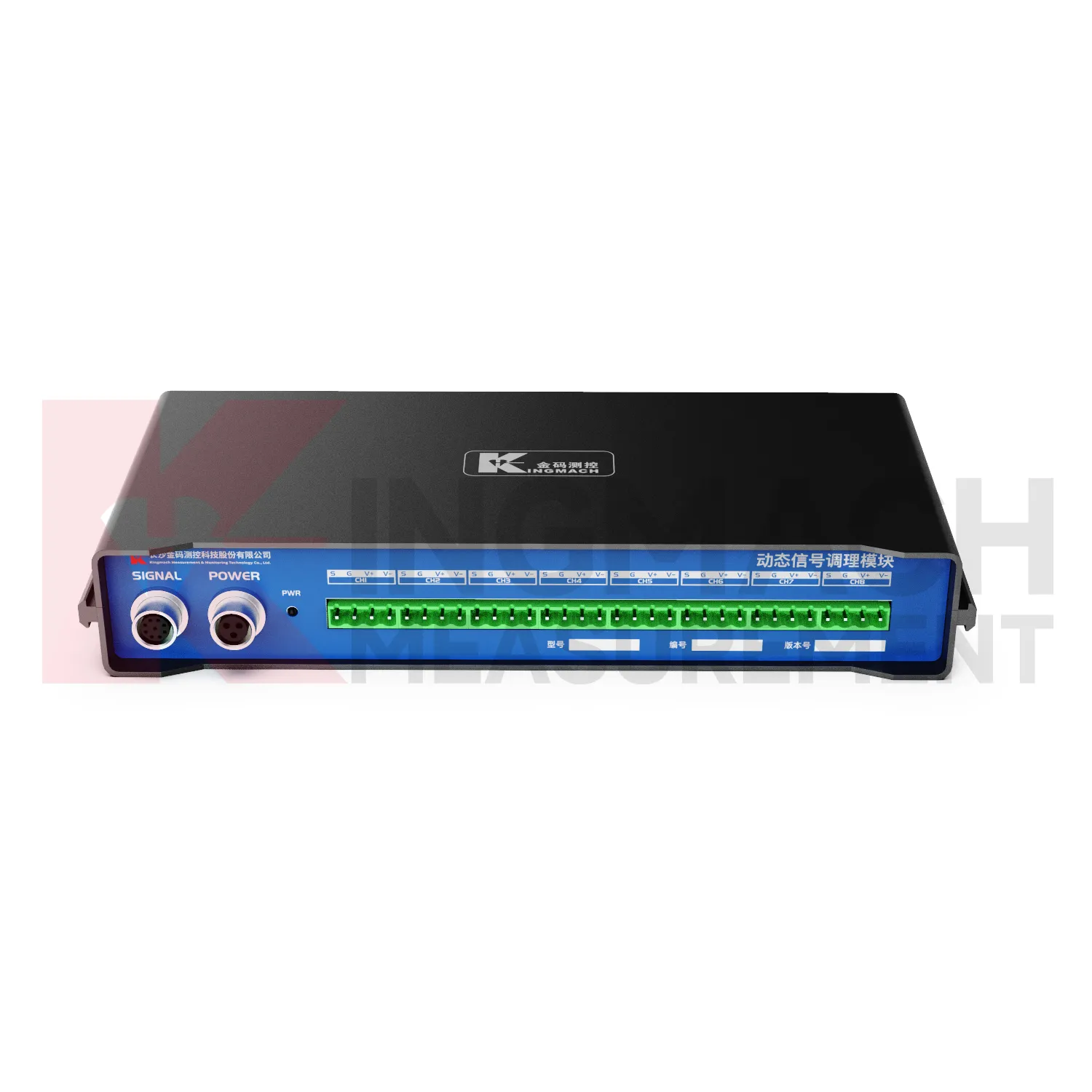
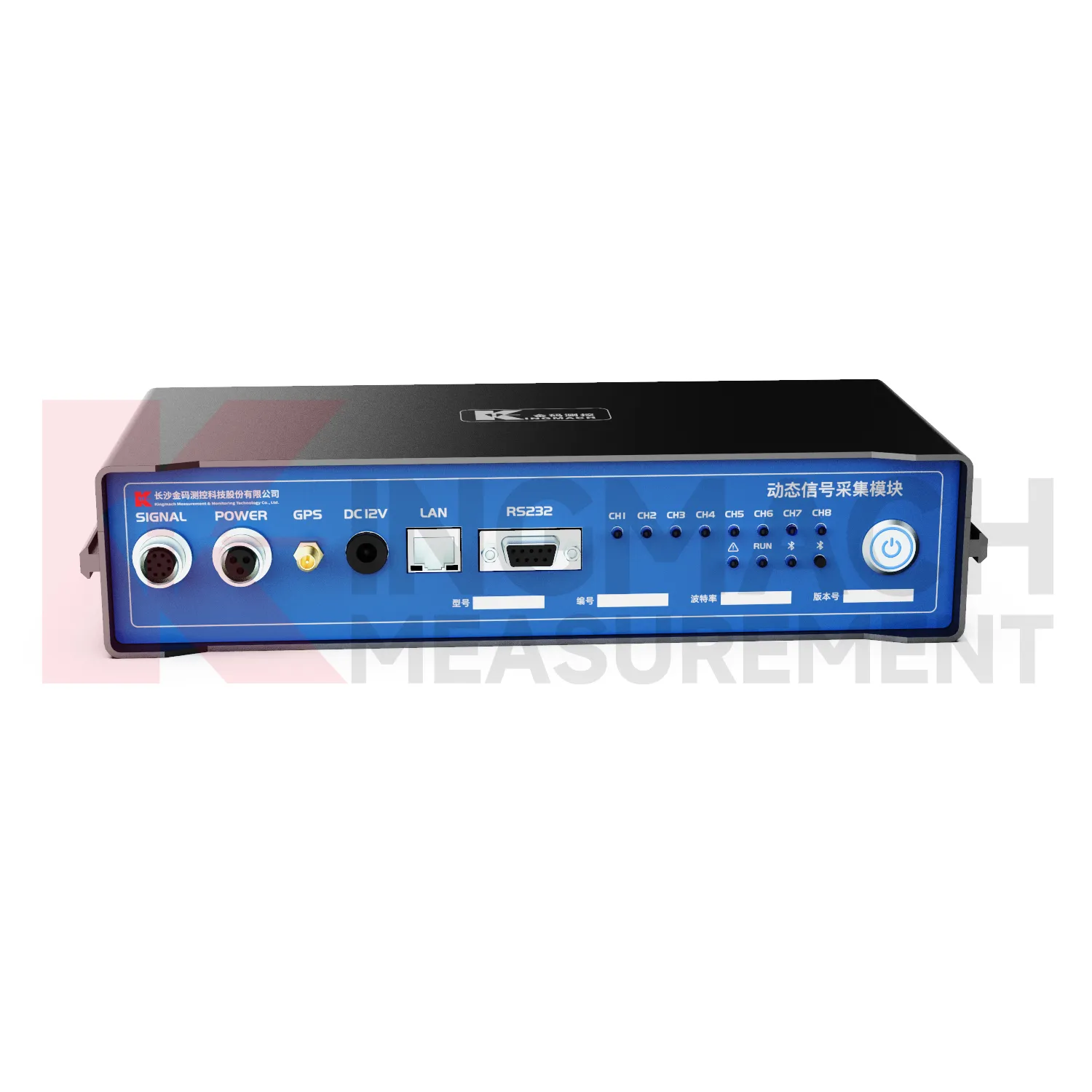
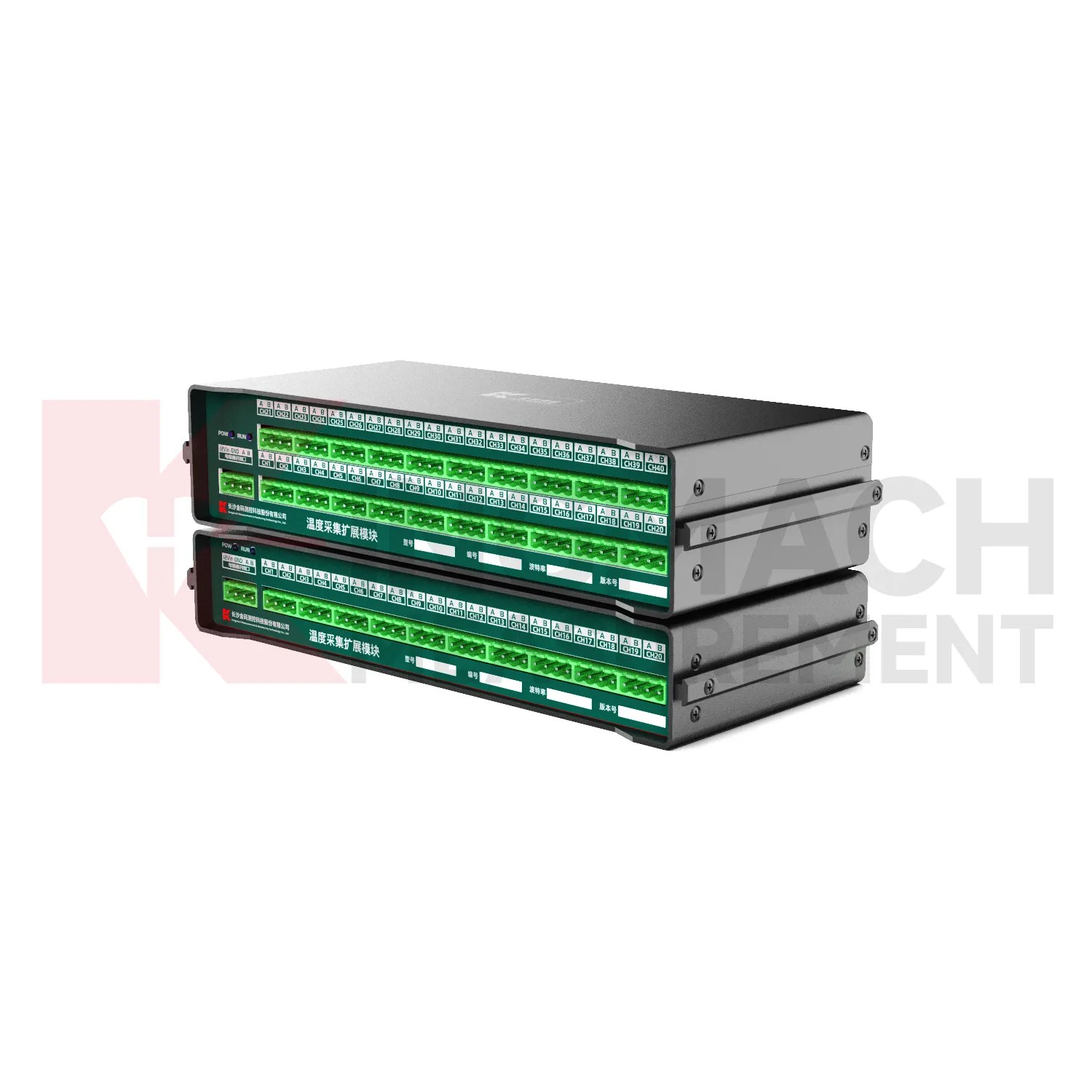
Application of wireless acquisition module
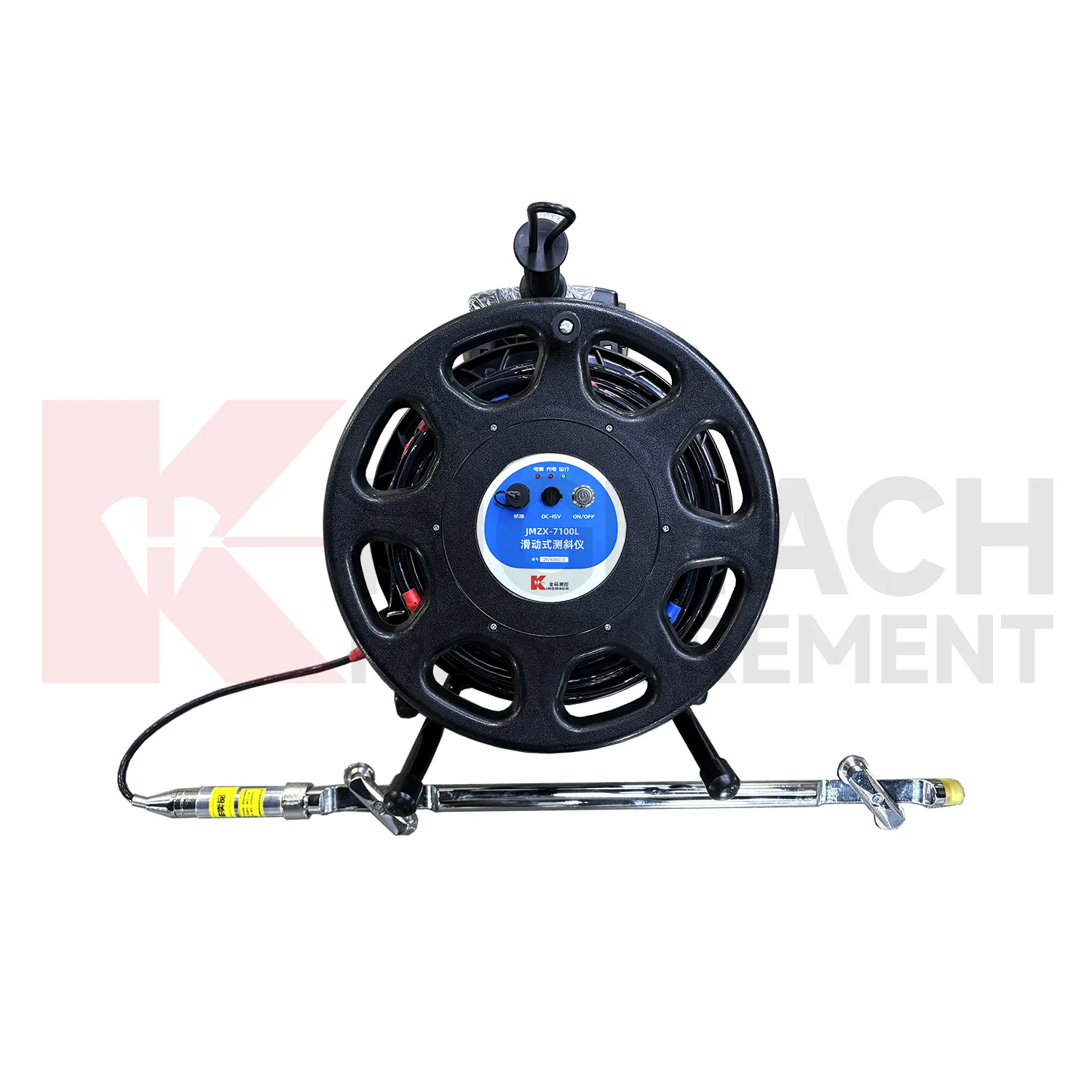
Mining, nuclear plant, and civil infrastructure monitoring can use Kingmach wireless acquisition module where remote or safety-related locations require dependable acquisition. Wireless data loggers reduce the need for repeated manual entry in areas with difficult access. Portable readouts help technicians verify sensor condition during scheduled inspections. Dynamic or multi-channel equipment supports event capture when movement or strain changes quickly. These projects often need strict record discipline because later review may involve construction managers, safety engineers, owners, and maintenance teams. The acquisition system should keep measurement time, point identity, device status, and maintenance history visible so abnormal readings can be reviewed with the proper context. Safety-related stations also need clear evidence of device health. If a remote logger misses uploads, loses power, or reports a suspicious value, the team should know whether the concern comes from the site or from the acquisition chain. Battery history, enclosure notes, access records, and upload status help engineers decide which field action should happen first. For high-consequence infrastructure, this traceability supports faster review during abnormal periods and reduces uncertainty when multiple teams share responsibility for monitoring, maintenance, and reporting. The device record can also support audits, emergency review, and long-term asset documentation when access to the station is limited.
The future of wireless acquisition module
Future Kingmach wireless acquisition module will help owners manage mixed sensor networks. A single project may include vibrating wire sensors, digital bus instruments, temperature points, dynamic signals, environmental stations, and manual inspection notes. Future acquisition systems should make it easier to keep these records aligned by location, time, and engineering purpose. This will help reviewers understand relationships between movement, load, vibration, rainfall, temperature, and construction activity. A more organized data chain will make monitoring records easier to defend during operation, maintenance, and safety review. Mixed networks also need clearer grouping. Sensors that belong to a bridge pier, slope section, tunnel ring, or dam gallery should appear together in the acquisition history. When the system keeps related points connected, engineers can compare behavior across sensor types without losing the physical layout. That will make future reviews faster and more reliable. It also supports clearer reporting when owners review several assets in one program.
Care & Maintenance of wireless acquisition module
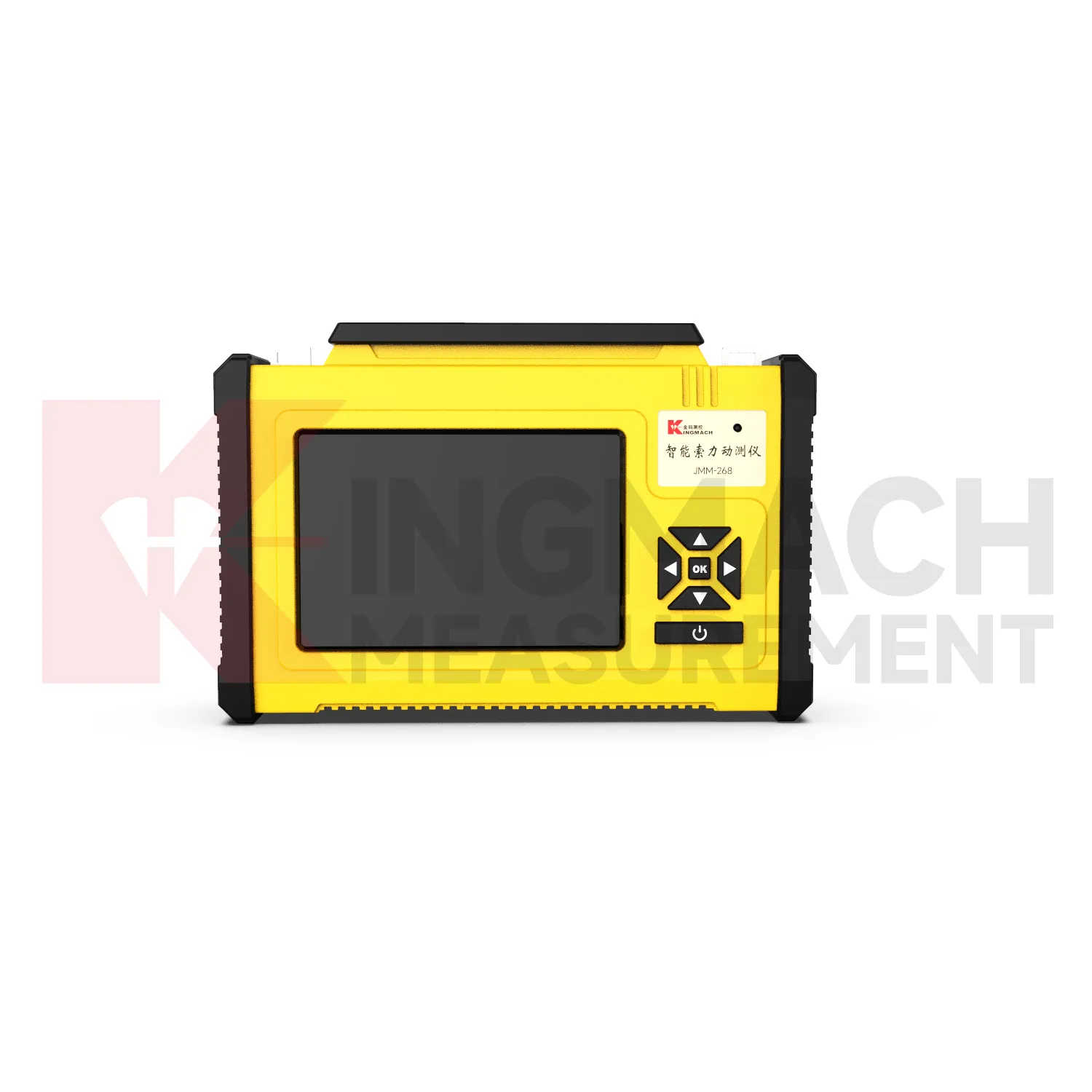
Dynamic acquisition maintenance for Kingmach wireless acquisition module should focus on timing, synchronization, and signal condition. Check channel connections, grounding, sampling settings, event names, trigger rules, and storage capacity before a test. Dynamic records are difficult to repeat when the event is train passage, blasting, impact, or machinery start-up. After the test, save raw data, event notes, sensor positions, and any abnormal site activity. This maintenance discipline helps engineers interpret the waveform and compare repeated events without uncertainty about the acquisition setup. Before the next test, review whether the previous event was captured cleanly. If a channel clipped, drifted, lost connection, or showed unexpected noise, correct the setup before relying on another event. Dynamic maintenance is therefore part of test quality, not only equipment care. The maintenance file should include sampling settings, trigger notes, cable condition, sensor mounting status, and storage location for raw files. These details help engineers repeat the test method later and compare event records under similar conditions.
Kingmach wireless acquisition module
Kingmach wireless acquisition module make sensor readings easier to verify before the data becomes part of a formal project record. A technician can use a readout to check whether a sensor responds, whether the channel name matches the physical point, and whether the value looks reasonable beside site conditions. A data logger can then continue the acquisition after the crew leaves. This handoff from manual checking to automatic collection is important for settlement sensors, strain gauges, load cells, tilt sensors, displacement points, and environmental instruments. The monitoring team gains a clearer record when every reading is tied to location, time, sensor type, and inspection notes. For dynamic tests, timing accuracy, event naming, channel synchronization, and signal conditioning help the team compare motion or strain events with construction activity, traffic, wind, or machinery operation. During handover, photos, channel maps, sensor lists, communication settings, and normal baseline examples help the next team continue review without rebuilding the monitoring history from scattered files.
FAQ
Q: Where are these devices used?
A: They are used in bridges, tunnels, dams, slopes, buildings, foundation pits, railways, mines, industrial testing, and other monitoring projects.
Q: Why combine readouts with loggers?
A: Readouts confirm field points during visits, while loggers keep collecting data between visits. Together they support both verification and continuity.
Q: What should a remote station show?
A: A remote station should show acquisition status, last upload time, power condition, active channels, storage condition, and recent maintenance history.
Q: How do these devices support reports?
A: They keep readings traceable by time, channel, sensor type, location, and device status so engineers can explain trends and events more clearly.
Q: What causes confusing readings?
A: Loose cables, wrong channel names, weak power, wet enclosures, changed settings, sensor faults, or real site changes can all create confusing records. The record stays useful when point names, channel labels, sensor type, measurement time, and field condition are kept together, because later reviewers can connect the number with the actual structure and inspection history.
Reviews
James Thompson
The tiltmeters and accelerometers are very sensitive and provide precise data. Perfect for our structural health monitoring system.
Matthew Garcia
Instrumentation cables are durable and perform well even in harsh environments. Will definitely order again.
Latest Inquiries
To protect the privacy of our buyers, only public service email domains like Gmail, Yahoo, and MSN will be displayed. Additionally, only a limited portion of the inquiry content will be shown.
Charlotte***@gmail.comUnited Arab Emirates
Hi, we require instrumentation cables suitable for harsh environments. Could you advise on specifica...
Sophia***@gmail.comUnited Kingdom
Good day, we need environmental monitoring sensors including temperature, humidity, and wind sensors...
Related product categories
- Engineering Pulse Intelligent Monitoring Cloud Platform
- Fullprocess Service
- Onestop Installation Service
- Construction Monitoring
- Safety Warning / Alert System
- Big Data Analysis
- Dynamic Signal Data Logger
- Automated Data Acquisition System
- Integrated Monitoring System Software Platform
- Modular Monitoring System Software Platform
- digital readout
- digital readout tape measure