
 EN
 ar
 bg
 hr
 cs
 da
 nl
 fi
 fr
 de
 el
 hi
 it
 ko
 no
 pl
 pt
 ro
 ru
 es
 sv
 tl
 iw
 id
 lv
 lt
 sr
 sk
 sl
 uk
 vi
 et
 hu
 th
 tr
 fa
 ms
 hy
 ka
 ur
 bn
 mn
 ta
 kk
 uz
 ku

tiltmeter monitoring
The JMZX-4QH acquisition module connects Kingmach tiltmeter monitoring into a multi-channel inclinometer data chain. It is used to collect measurement data from multi-point vertical in-place inclinometer strings and upload the data by wired or wireless means. Product details describe one controllable sensor power supply output, four downstream communication interfaces, automatic recognition, intelligent calculation after connection, and installation at the inclinometer tube orifice for waterproof and dustproof protection. The module supports up to 100 sensors through four channels. Published data includes DC 9V to 24V operating voltage, standby power below 0.5W, operation power below 4W, RS485 uplink communication with configurable baud rates, -30 degrees Celsius to +70 degrees Celsius operating temperature, about 70 mm length, about 1 kg weight, and IP67 protection. It is relevant when borehole sensors need organized power, communication, and upload control.
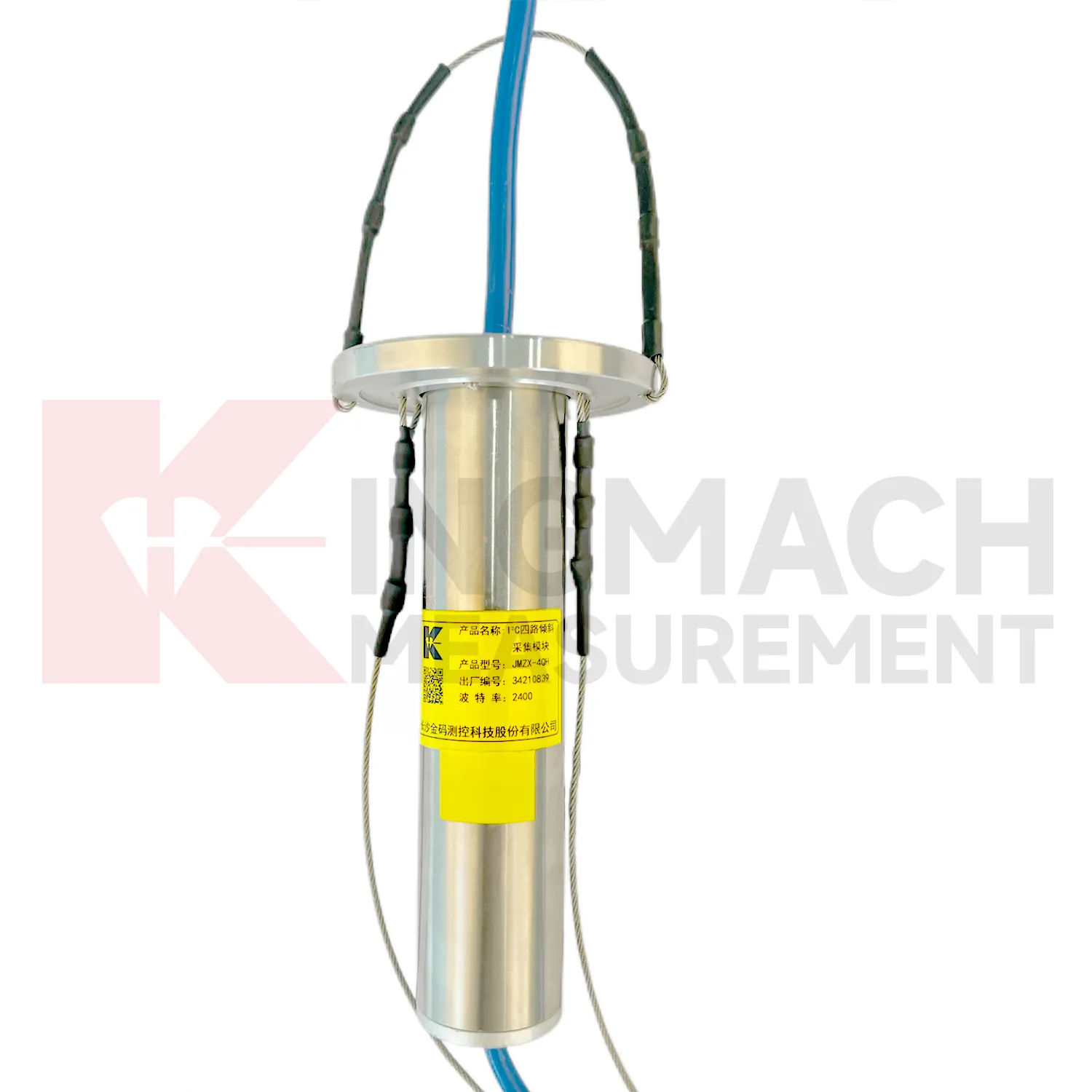
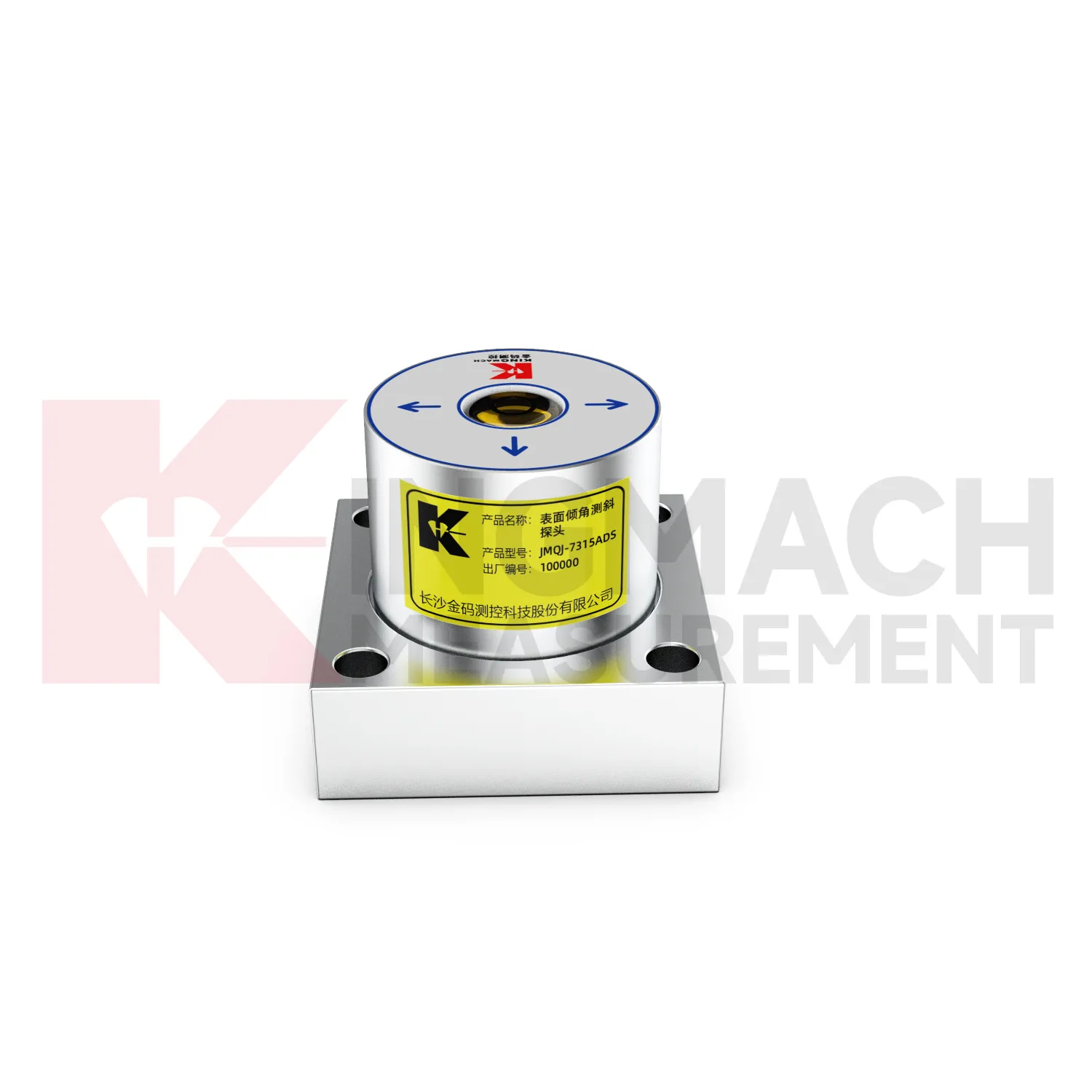
Application of tiltmeter monitoring
Wind tower and tall-structure monitoring can use tiltmeter monitoring to observe small angular changes caused by wind loading, foundation behavior, equipment operation, or nearby ground movement. An integrated JMQJ-7315RTU can be useful where wireless 4G reporting reduces long cable runs, while a wired JMQJ-7315ADS fits sites with existing acquisition cabinets. Tilt data should be reviewed with wind speed, vibration, foundation settlement, strain, and maintenance events. The axis direction must be aligned with the structure geometry so the data has engineering meaning. Battery condition, antenna signal, enclosure protection, and mounting bolt tightness are part of long-term reliability. For tall structures, even a small mounting error can create confusion, so baseline verification after installation is essential.
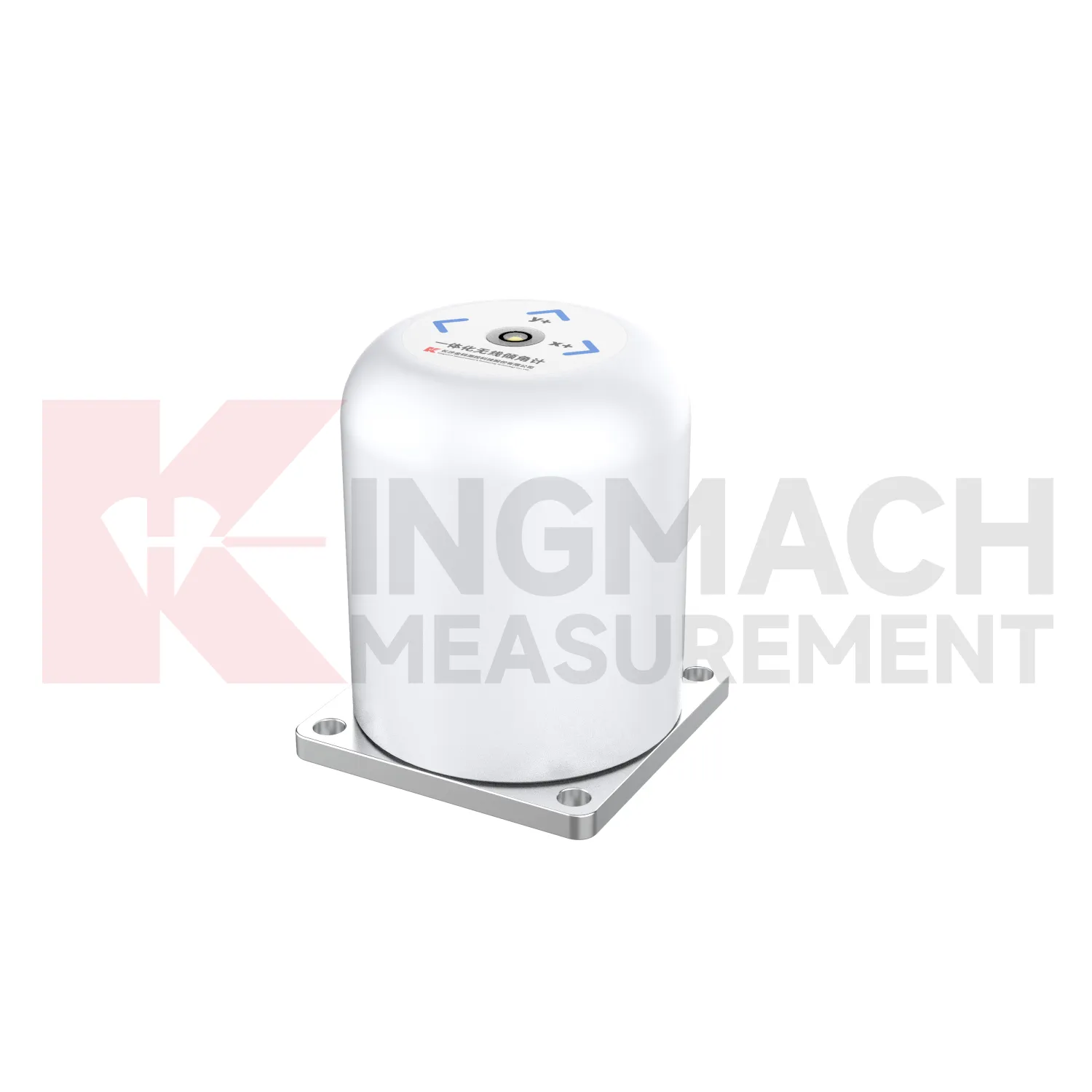
The future of tiltmeter monitoring
The future of tiltmeter monitoring will be shaped by cleaner digital records. Tilt monitoring often continues after the construction team leaves, so a future-ready file should keep model, range, serial number, axis direction, baseline, mounting photograph, channel address, communication mode, battery record, and maintenance notes together. Kingmach products already include electronic codes, digital communication, 4G output, and acquisition modules that can support this direction. The next step is making those records easy to hand over from contractor to owner. A tilt curve without installation context can be difficult to interpret years later. A tilt curve with a clear instrument history can support inspection, maintenance planning, and engineering review across the full service life of the structure.
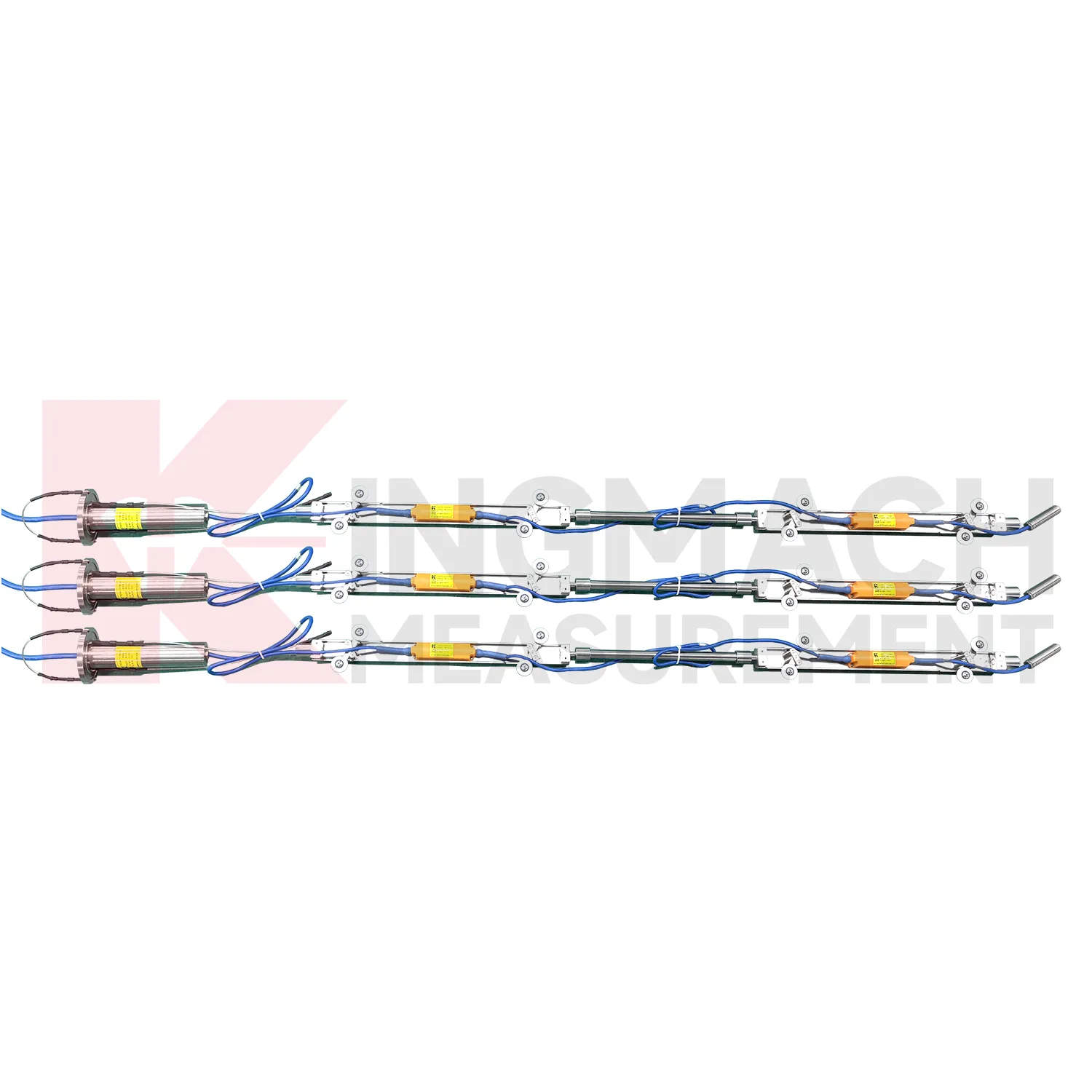
Care & Maintenance of tiltmeter monitoring
Replacement of tiltmeter monitoring should preserve measurement continuity. When changing a fixed tiltmeter, integrated wireless unit, in-place string component, acquisition module, or sliding inclinometer accessory, record model, serial number, range, old reading, new reading, reason, date, technician, and any change to axis direction or channel name. Do not hide the replacement by forcing the new curve to look continuous without explanation. If a borehole string is reconfigured, update depth mapping and group communication records. If a wireless unit is replaced, check battery, antenna, and upload timing. A clear replacement record lets future engineers understand the curve and prevents maintenance work from being mistaken for structural deformation.
Kingmach tiltmeter monitoring
The technical strength of Kingmach tiltmeter monitoring comes from combining MEMS sensing with practical acquisition details. JMQJ-7315ADS uses a high-precision acceleration integrated chip, 16-bit AD sampling, RS485 communication, an electronic code, and lightning protection design. JMQJ-7315RTU combines MEMS sensing with 4G wireless communication and low-power operating modes. JMQJ-7915ATS uses automatic temperature compensation and multi-point series connection in a borehole. JMZX-7100L uses a MEMS biaxial inclinometer probe with Bluetooth transmission and mobile phone reading. These differences are useful because field projects vary widely. Some sites need high-frequency remote acquisition, while others need periodic manual profiling. A clear specification should state measuring range, axis direction, output signal, protection grade, data logger, and review interval.
FAQ
Q: How should tiltmeter monitoring be installed?
A: The mounting surface or borehole position should be stable, the axis direction must be recorded, and the baseline should be saved after the instrument settles.Q: Why is axis direction important?
A: Tilt values only have engineering meaning when the positive and negative directions are tied to the structure, slope, tunnel, or borehole drawing.Q: Can these instruments work in wet sites?
A: Several Kingmach models list IP65, IP67, or IP68 protection, but glands, connectors, cabinets, and cable entries still need field inspection.Q: What should be checked during commissioning?
A: Check model, range, serial number, communication, power, baseline, point name, mounting photo, channel address, and related site condition.Q: Can a tiltmeter be reset after installation?
A: It can be re-baselined when necessary, but the old value, new value, reason, date, and technician should remain visible in the record.
Reviews
David Wilson
We purchased displacement transducers and settlement sensors, and the quality exceeded our expectations. Easy installation and reliable performance.
Andrew Lee
The visualization software is intuitive and powerful. It helps us analyze monitoring data efficiently.
Latest Inquiries
To protect the privacy of our buyers, only public service email domains like Gmail, Yahoo, and MSN will be displayed. Additionally, only a limited portion of the inquiry content will be shown.
Evelyn***@gmail.comSouth Africa
Hi, we are a contractor working on tunnel construction and need settlement sensors and displacement ...
Isabella***@gmail.comGermany
Hello, we are evaluating weir flow meters for a water management project. Please share accuracy deta...