
 EN
EN
 ar
ar bg
bg hr
hr cs
cs da
da nl
nl fi
fi fr
fr de
de el
el hi
hi it
it ko
ko no
no pl
pl pt
pt ro
ro ru
ru es
es sv
sv tl
tl iw
iw id
id lv
lv lt
lt sr
sr sk
sk sl
sl uk
uk vi
vi et
et hu
hu th
th tr
tr fa
fa ms
ms hy
hy ka
ka ur
ur bn
bn mn
mn ta
ta kk
kk uz
uz ku
ku
lvdt linear variable displacement transducer
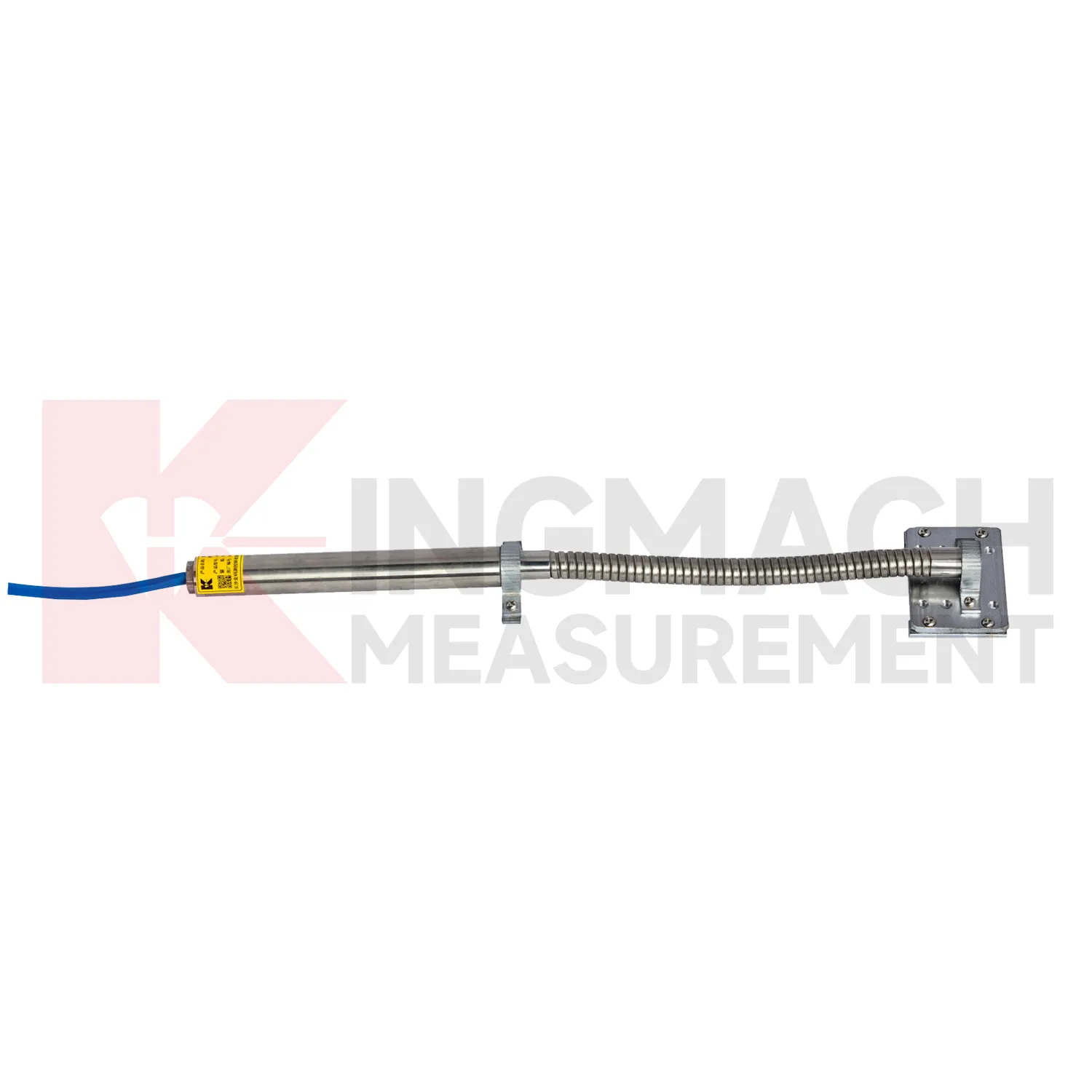
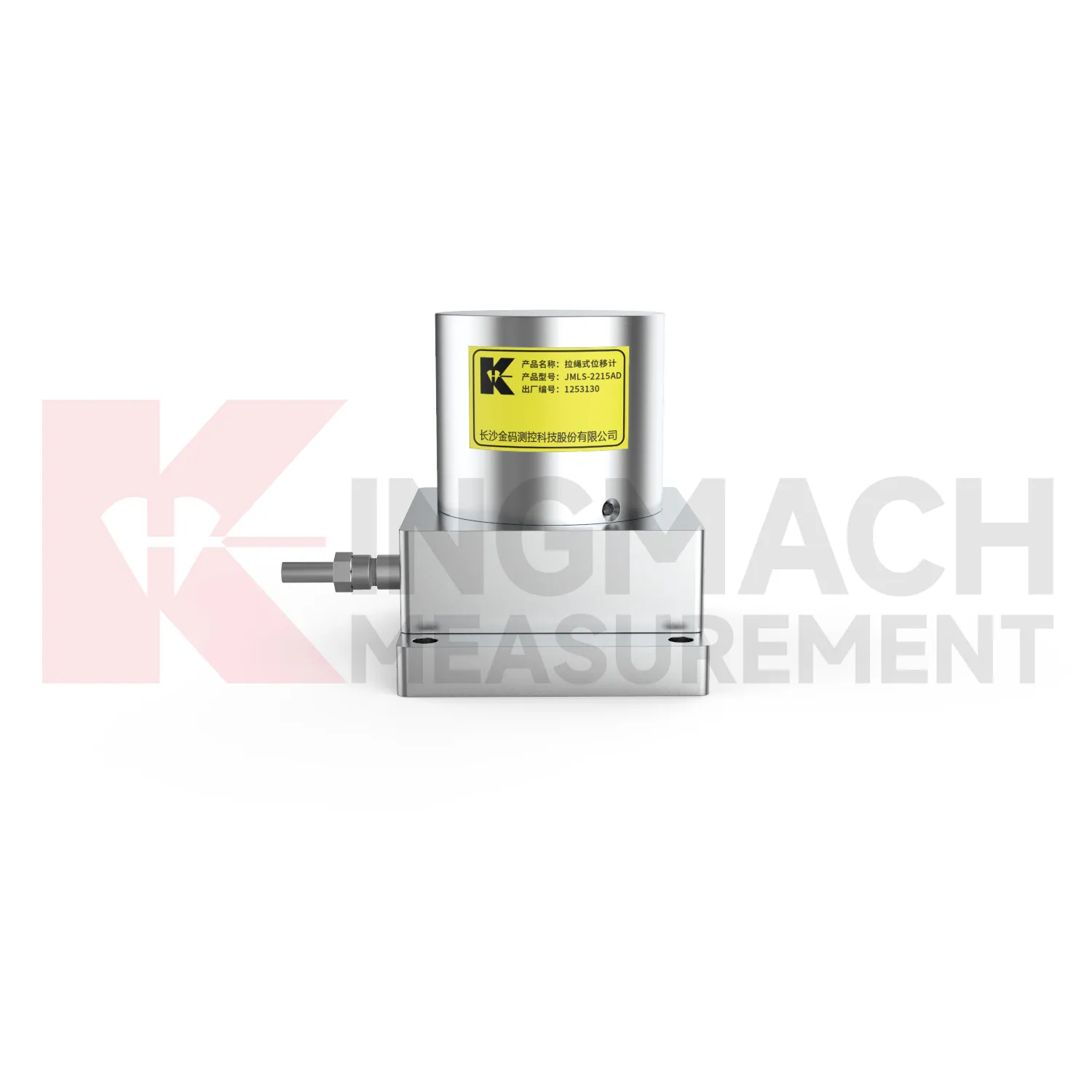
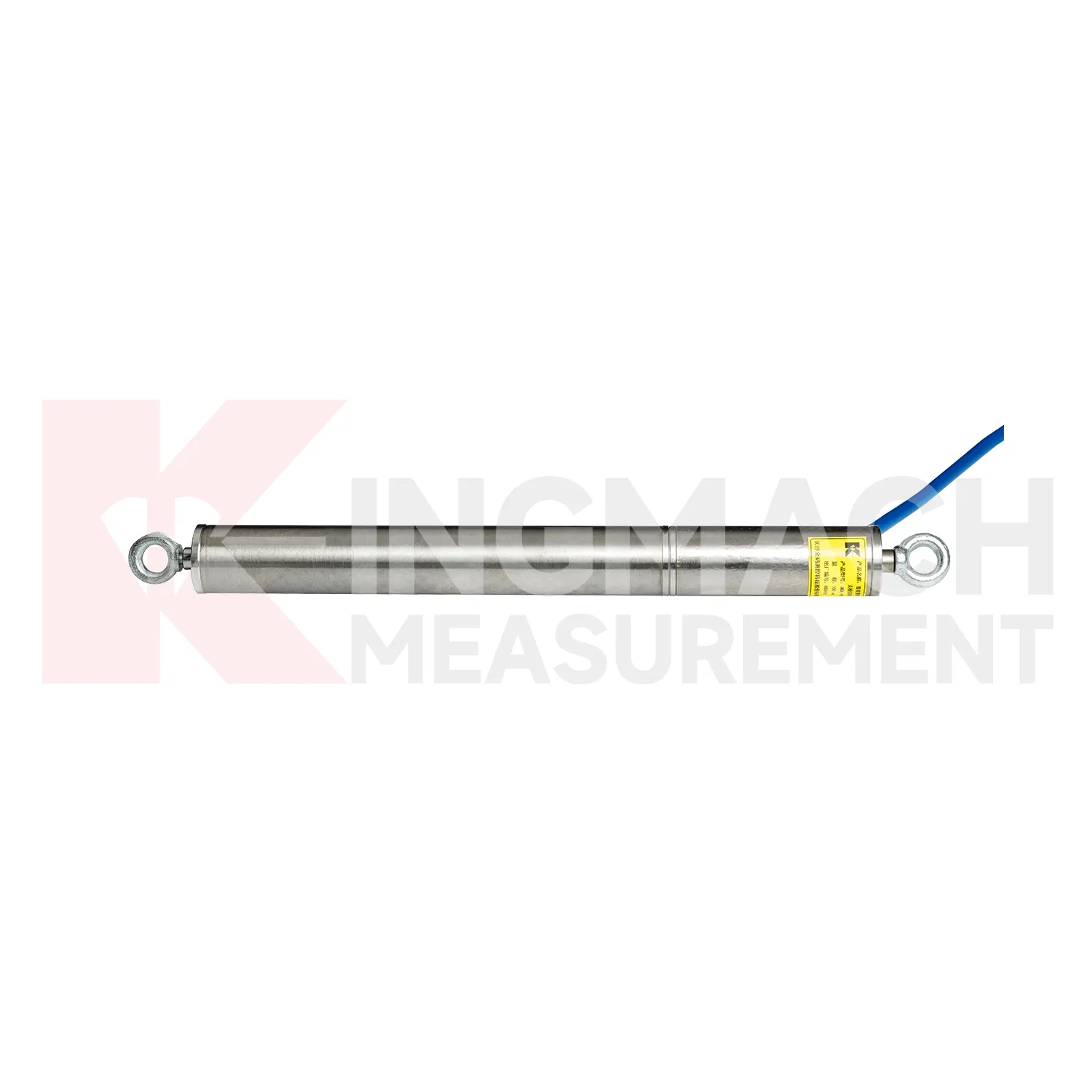
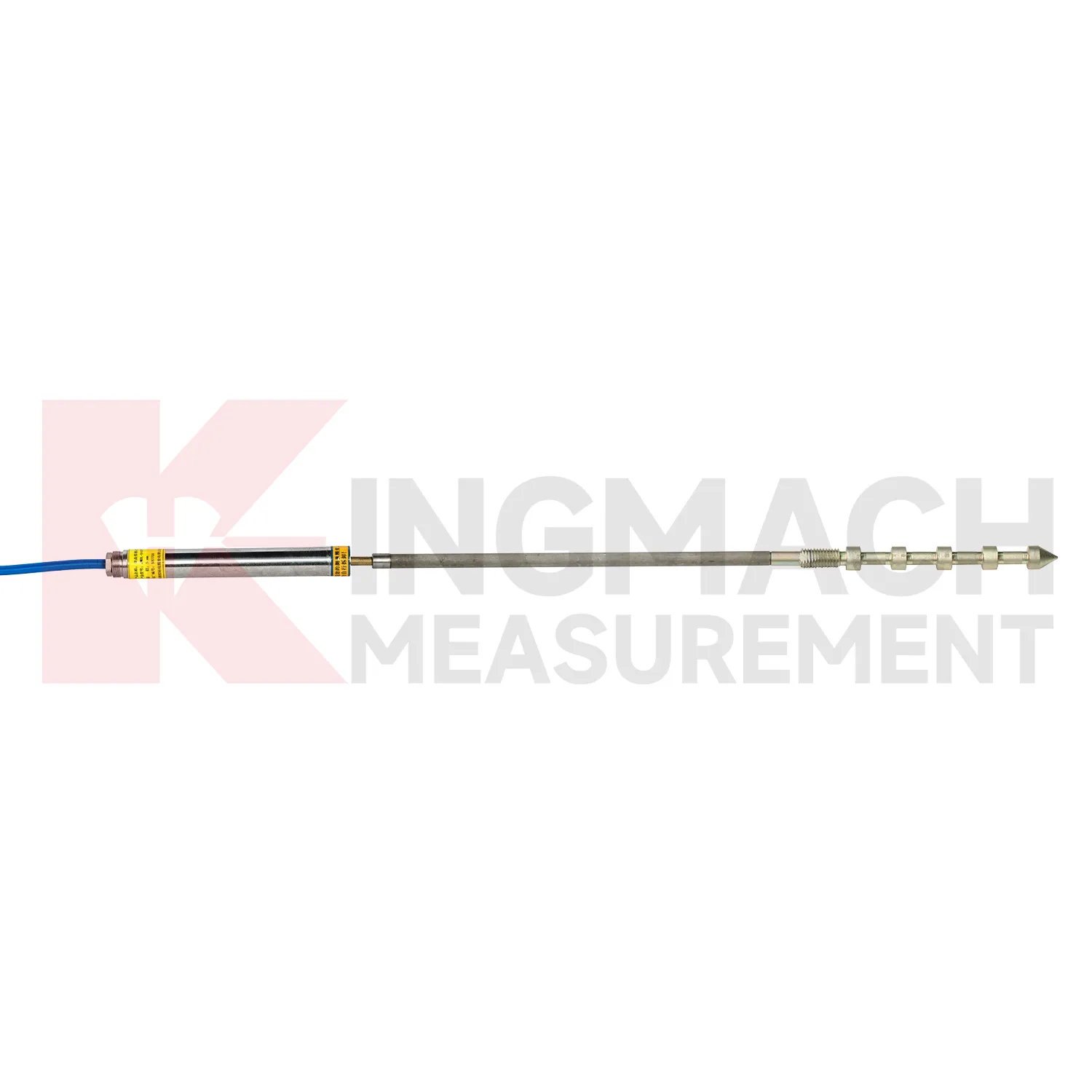
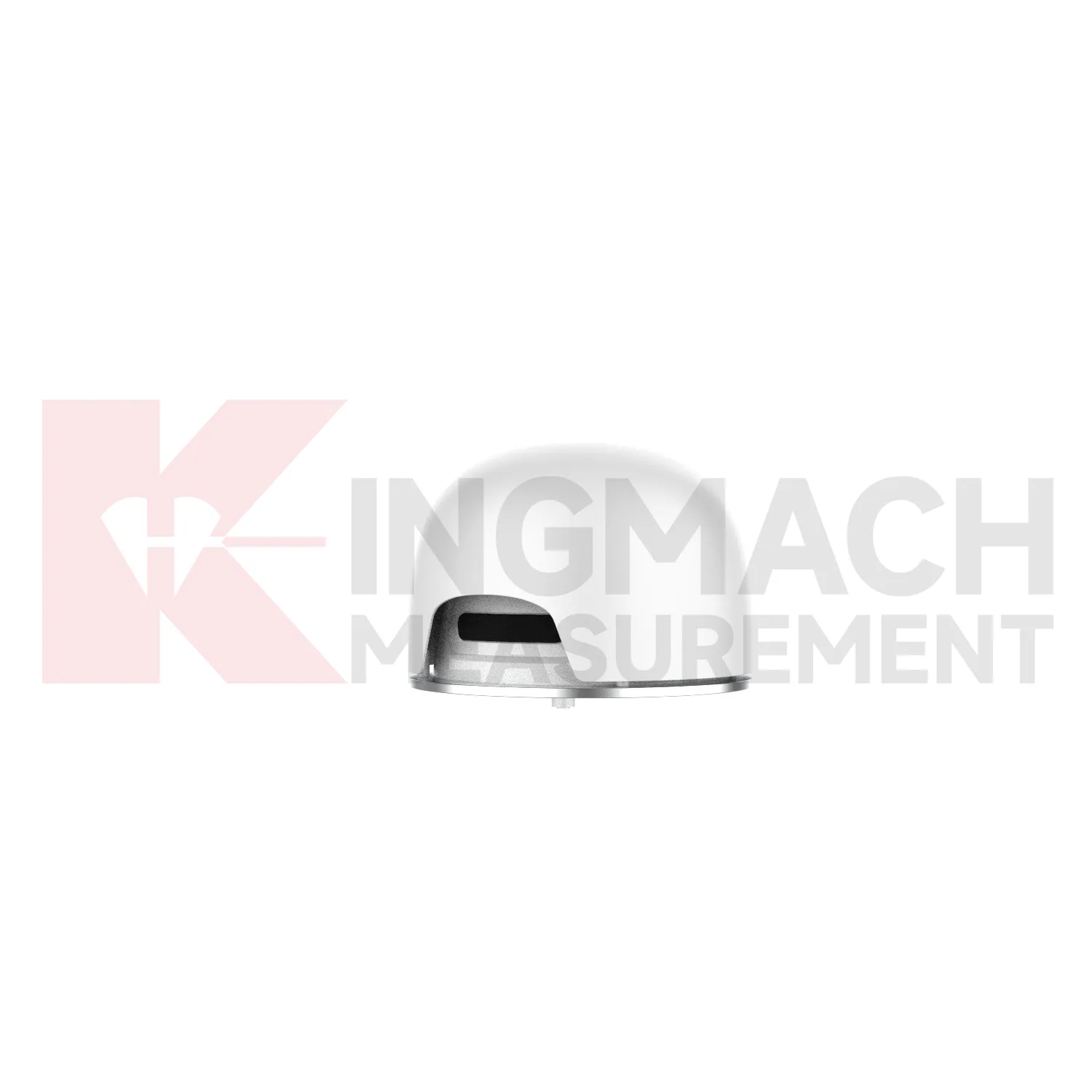
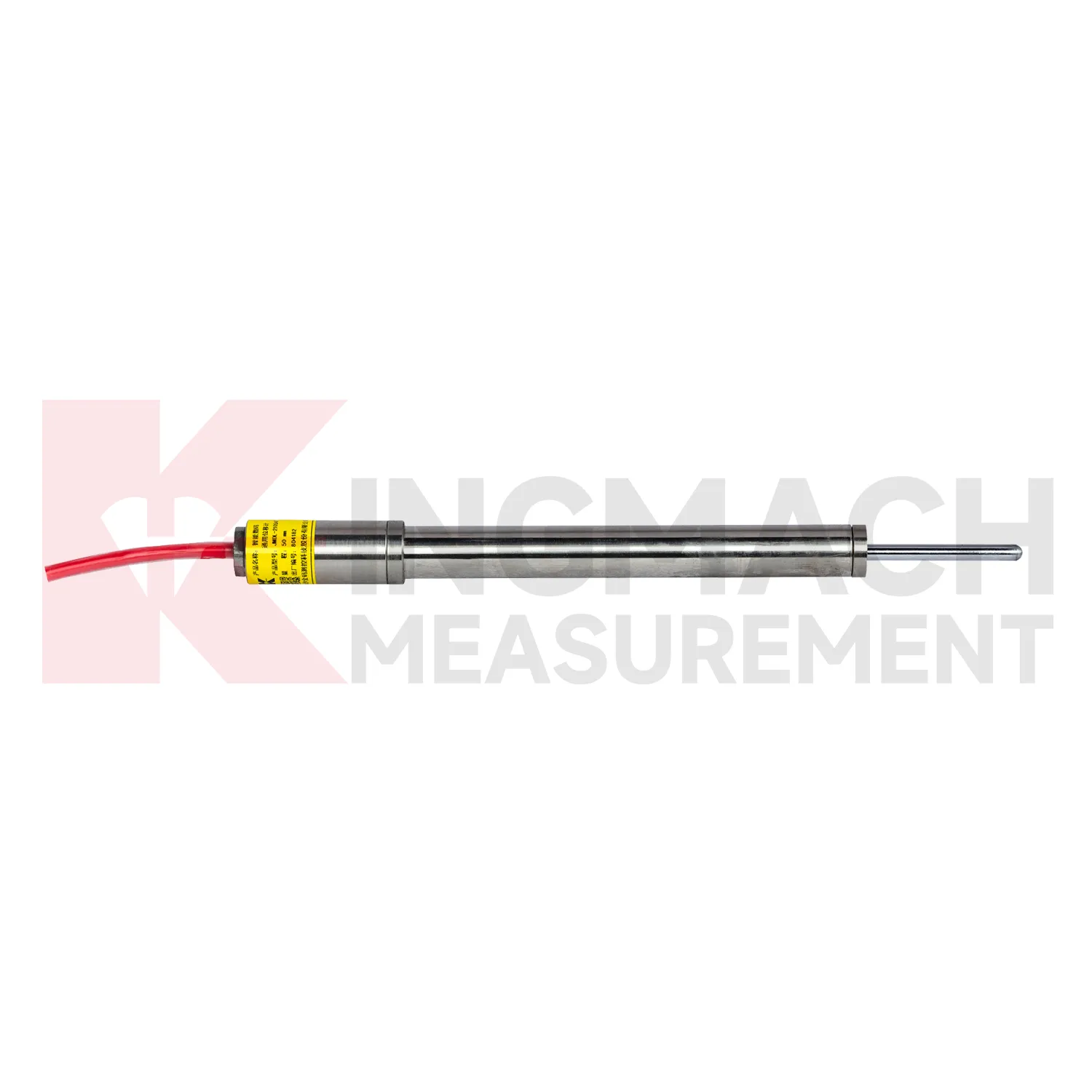
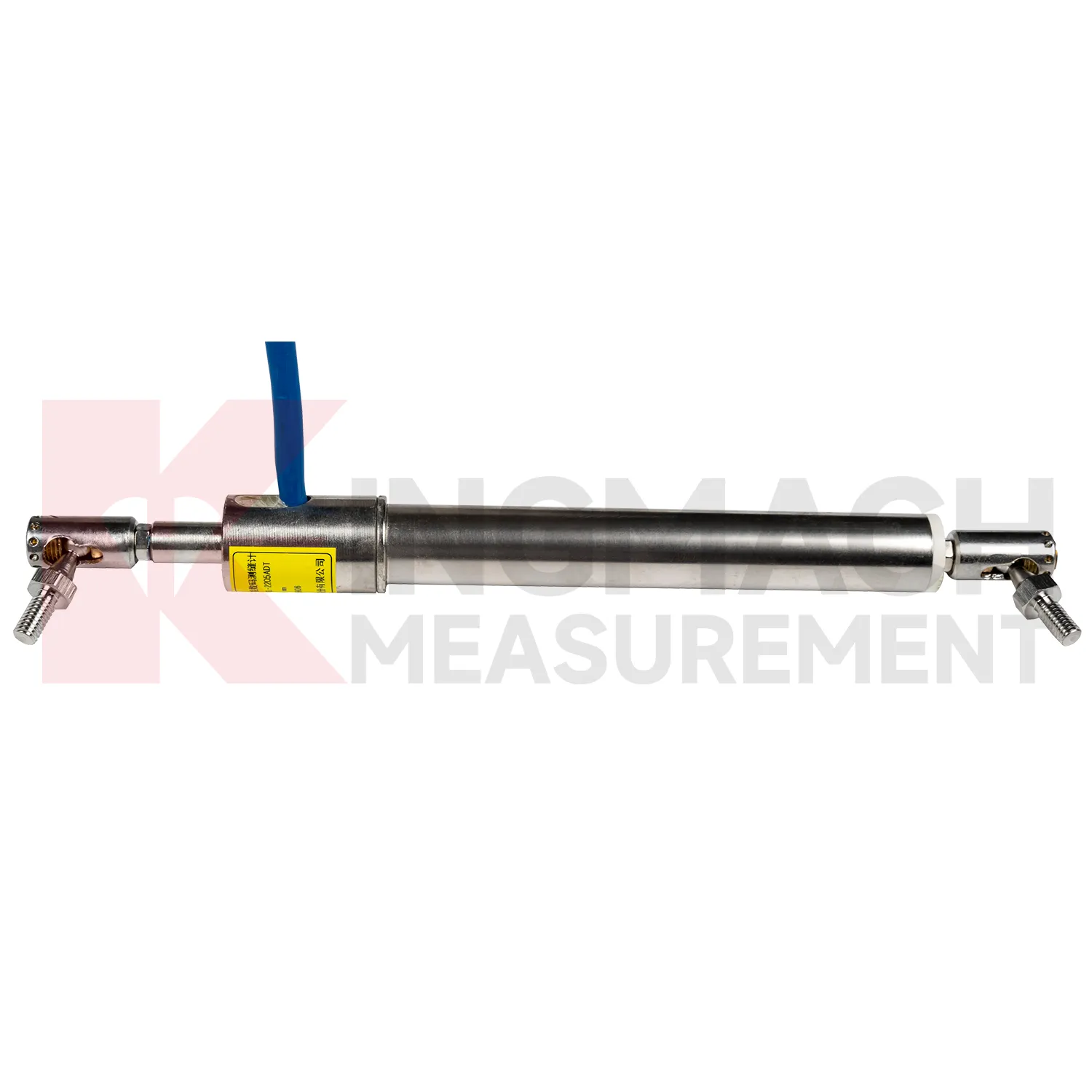
The JMLS-22XXADT Wire Rope Displacement Sensor broadens Kingmach lvdt linear variable displacement transducer into long-travel and flexible-path displacement measurement. It uses a retractable plastic-coated stainless steel cable wound around a spool and a precision rotary sensor. When the cable extends or retracts, resistance changes are converted into displacement data. Listed ranges include 0 to 500 mm, 0 to 1000 mm, and 0 to 2000 mm. Product information gives 0.1 mm resolution, 0.2%FS accuracy, DC 9V to 24V operating voltage, power consumption at or below 0.3 W, RS485 communication at 2400 bps, IP67 sealing, operating temperature from -30 degrees Celsius to +70 degrees Celsius, dimensions of 115 mm by 85 mm by 100 mm, and approximately 1 kg weight. The product supports linear and curved displacement monitoring, making it useful for dam monitoring, geohazard prevention, tunnel clearance, machinery position, soil and rock movement, and long-distance movement between two points. During project setup, the measuring point should be matched with the expected travel direction, available mounting space, cable route, and required acquisition interval. This prevents a short-range joint instrument from being used on a long-travel point, or an exposed sensor from being placed where an embedded anchor is needed. It also helps the monitoring team set a baseline that can be defended during acceptance and later maintenance review.
Application of lvdt linear variable displacement transducer
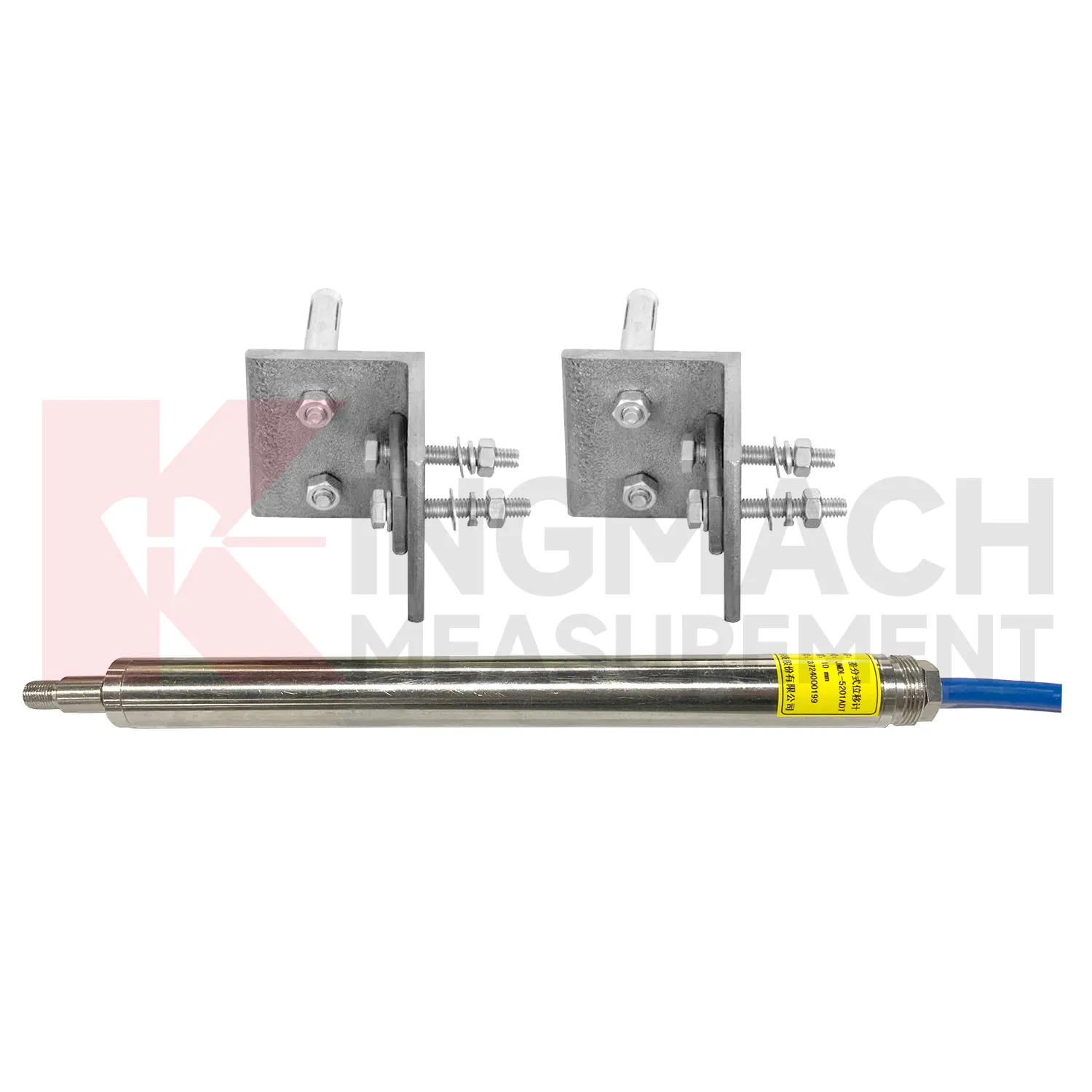
In bridge monitoring, lvdt linear variable displacement transducer are used at expansion joints, bearing zones, abutments, arch supports, deck gaps, and structural interfaces where relative movement affects service safety. The common pain point is that bridge movement may look normal during one inspection but reveal risk when compared over temperature cycles, traffic load, and maintenance events. Kingmach JMDL-52XXADT differential meters cover 20 mm, 50 mm, and 100 mm ranges with 0.01 mm resolution, plus or minus 0.1%FS accuracy, RS485 output, and low temperature drift. JMDL-22XXAT crack gauges can track joint opening or crack width up to 200 mm, while JMLS-22XXADT wire rope sensors can monitor longer movement paths up to 2000 mm. When displacement readings are paired with strain gauges, load cells, tiltmeters, and weather data, bridge teams can distinguish seasonal joint travel from abnormal movement, bearing restraint, foundation settlement, or localized damage. During operation, the monitoring team should keep the baseline, temperature, inspection notes, and nearby sensor behavior in the same review file. This makes it easier to tell whether a movement trend comes from normal service, a repair event, changing load, water influence, or developing structural risk. Clear records also help owners decide when a field inspection is needed instead of waiting for visible damage.
The future of lvdt linear variable displacement transducer
Standardized reporting will become more important for future lvdt linear variable displacement transducer use. Different stakeholders read movement data in different ways: site managers need fast alerts, designers need deformation patterns, owners need risk status, and maintenance teams need repeatable inspection records. Kingmach smart displacement products already provide details such as absolute displacement, relative displacement, zero-point value, temperature, model number, calibration coefficient, and stored measurements on selected models. Future reports can turn those details into clearer tables and curves: baseline date, latest reading, daily change, cumulative movement, temperature at reading, warning level, sensor status, and recommended inspection action. This will help projects avoid long exports that hide the main risk. A clear displacement report should show not only how far a point moved, but whether that movement is new, accelerating, linked with other sensors, or still within the expected range. Report formats should also keep field photos and maintenance notes close to the curve, so reviewers can understand the physical point behind the data.
Care & Maintenance of lvdt linear variable displacement transducer
For automated lvdt linear variable displacement transducer, maintenance must include the whole data chain. A sensor can be accurate while the monitoring record is wrong because of channel swaps, wrong units, missed zero values, loose terminals, damaged power supply, or unstable communication. Kingmach displacement products may connect to comprehensive testers, bus modules, automatic acquisition systems, RS485 networks, and monitoring platforms. During commissioning, verify each channel by moving the sensor slightly or checking a known displacement point, then record direction, units, baseline, range, and warning values. During service, check whether data gaps match power failures, communication faults, storms, or cabinet maintenance. Keep spare connectors and labels for field work. When replacing a sensor, do not simply reuse the old zero value; record the replacement time, new model, serial number, range, calibration coefficient, and first stable reading. Keep the installation photo, point number, zero value, and expected movement direction with the commissioning record for later review. If a reading changes after maintenance work, inspect the base, anchor, cable, and cabinet before assuming the structure itself has moved.
Kingmach lvdt linear variable displacement transducer
When a monitoring plan is built around lvdt linear variable displacement transducer, the first question should be the engineering decision behind the reading. If the purpose is crack control, the JMDL-22XXAT series focuses on crack width, joints, and expansion joints. If the purpose is rock layer movement, the JMDL-31XXAT multipoint meter anchors several depths and separates displacement by layer. If the purpose is bedrock or slope face movement, the JMDL-32XXAT embedded single-point meter uses an anchor head, tie rod, flange, and PVC pipe assembly. If the purpose is large travel or equipment position, the JMLS-22XXADT wire rope sensor and JMCW-21XXADT magnetostrictive meter provide longer range options. Kingmach's category is therefore a toolbox for movement diagnosis, not one product renamed many times. That distinction helps engineers set warning values that match the structure being observed. The point should be named on the drawing, linked with its cable route, and checked against the expected movement direction before the first automatic reading is accepted. For daily review, the reading should be compared with nearby points, recent weather, site operations, and any loading event that could explain the movement.
FAQ
Q: Which lvdt linear variable displacement transducer handle long travel?
A: JMLS-22XXADT wire rope sensors cover 0 to 500 mm, 0 to 1000 mm, and 0 to 2000 mm ranges, while JMCW-21XXADT magnetostrictive meters cover 0 to 1000 mm absolute position measurement.
Q: What is the difference between wire rope and magnetostrictive types?
A: Wire rope sensors convert cable extension or retraction into displacement data, while magnetostrictive meters use non-contact sensing for absolute linear position.
Q: What protection ratings are listed?
A: Product information lists IP67 for the JMLS-22XXADT wire rope sensor and IP67 for the JMCW-21XXADT magnetostrictive meter.
Q: What communication is available?
A: Both products list RS485 communication, which supports digital connection to acquisition systems.
Q: Where are long-travel models used?
A: They are used in dam monitoring, geohazard prevention, machinery position, hydraulic cylinders, gate movement, tunnel clearances, and structural displacement between two points.
Reviews
Andrew Lee
The visualization software is intuitive and powerful. It helps us analyze monitoring data efficiently.
Robert Taylor
The weir flow meter is well-built and delivers accurate measurements. Great value for water management applications.
Latest Inquiries
To protect the privacy of our buyers, only public service email domains like Gmail, Yahoo, and MSN will be displayed. Additionally, only a limited portion of the inquiry content will be shown.
Isabella***@gmail.comGermany
Hello, we are evaluating weir flow meters for a water management project. Please share accuracy deta...
Charlotte***@gmail.comUnited Arab Emirates
Hi, we require instrumentation cables suitable for harsh environments. Could you advise on specifica...