
 EN
EN
 ar
ar bg
bg hr
hr cs
cs da
da nl
nl fi
fi fr
fr de
de el
el hi
hi it
it ko
ko no
no pl
pl pt
pt ro
ro ru
ru es
es sv
sv tl
tl iw
iw id
id lv
lv lt
lt sr
sr sk
sk sl
sl uk
uk vi
vi et
et hu
hu th
th tr
tr fa
fa ms
ms hy
hy ka
ka ur
ur bn
bn mn
mn ta
ta kk
kk uz
uz ku
ku
wireless vibration sensor
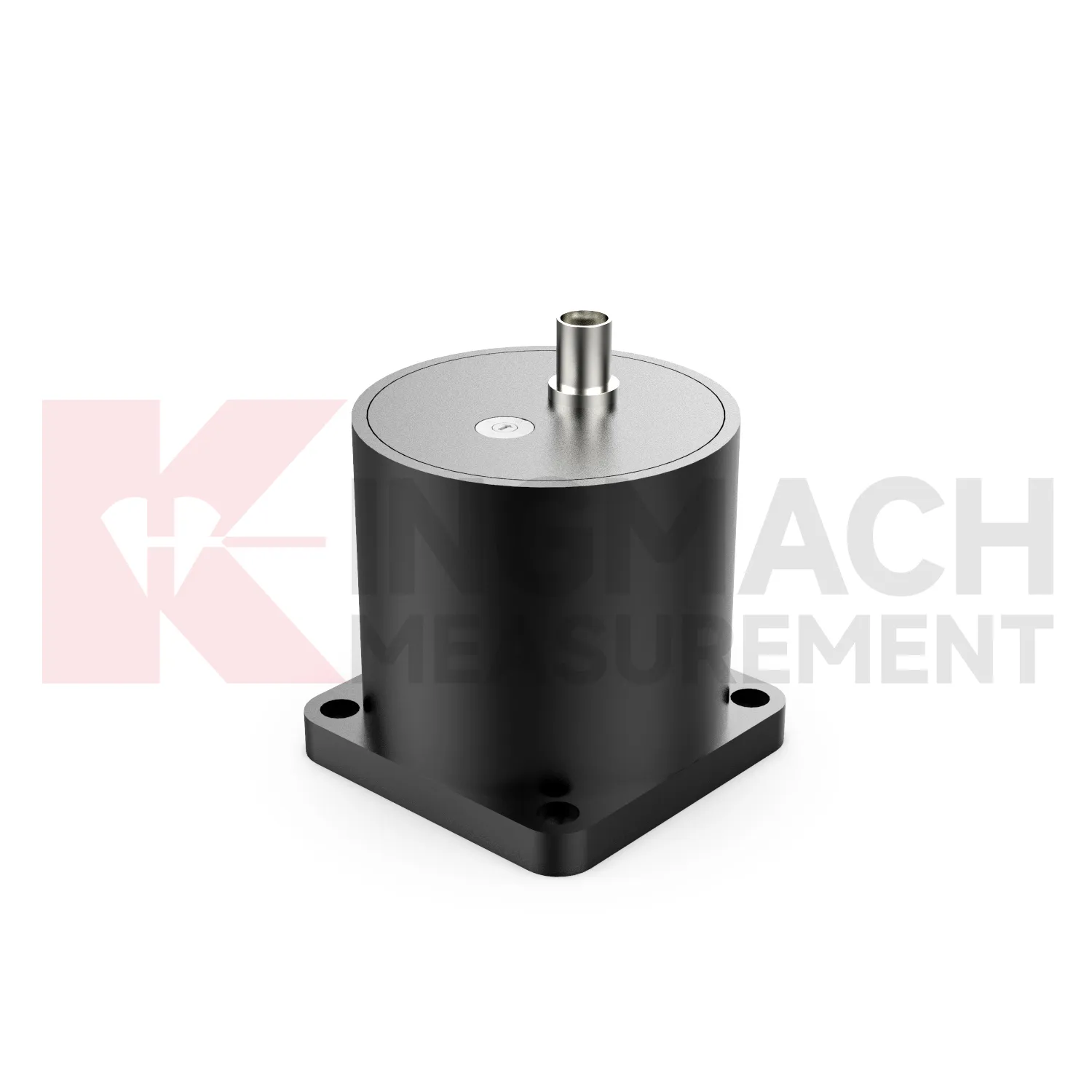
Kingmach wireless vibration sensor are designed for dynamic measurement tasks such as acceleration, vibration frequency, ground pulsation, structural response, and cable vibration. The category supports mechanical vibration analysis, earthquake monitoring, and structural dynamic characteristic studies. In practical use, the sensor is paired with acquisition and analysis equipment so engineers can review time curves, frequency behavior, and event records. The important point is whether the system captures the motion that affects the project, rather than how many specifications appear in one sentence. For bridges, buildings, tunnels, railways, machinery, and geotechnical sites, that means matching sensor placement, acquisition method, and review workflow to the expected vibration source. A well-planned dynamic system also defines how data will be named, stored, compared, and acted on after an event. This keeps acceleration monitoring connected to engineering review rather than leaving it as a separate technical trace.
For high-risk assets, inspection timing should follow events as well as calendar dates. After impact, blasting, severe weather, unusual vibration, or equipment maintenance, the sensor and the data path both deserve a quick check.
For field teams, the record is strongest when the waveform is tied to a named event and a known physical point. The note should state what was operating, what changed on site, whether other instruments reacted, and whether the motion repeated under similar conditions.
Application of wireless vibration sensor
Wind towers and tall structures use Kingmach wireless vibration sensor to observe motion caused by wind, equipment, foundation behavior, or operating cycles. Acceleration data can be reviewed with wind speed, tilt, strain, and foundation settlement to see whether the structure is responding normally. Mounting must be secure because a loose sensor can exaggerate motion. The axis direction should match the structure geometry, and the record should note wind or operating conditions during measurement. This approach turns tower movement into a traceable engineering record. Over time, the owner can compare response during similar wind events and identify whether the structure is behaving consistently or starting to change.
A useful dynamic record needs both signal quality and site context. Mounting condition, axis direction, cable stability, acquisition timing, and event labeling all affect whether the data can support an engineering decision after review.
During interpretation, the team should compare the motion with nearby strain, displacement, tilt, load, wind, temperature, traffic, machinery, or construction notes. That wider view helps separate normal response from a pattern that needs inspection.
If the reading changes suddenly, the first check should include the sensor attachment, cable route, connector, channel name, and recent field activity. This prevents a maintenance issue from being mistaken for structural behavior.
Long-term monitoring benefits from repeatable procedure. When the same point, direction, event definition, and analysis method are preserved, new vibration records can be compared with earlier records in a defensible way.

The future of wireless vibration sensor
Future Kingmach wireless vibration sensor will be specified around workflows rather than model names. A project may need continuous vibration monitoring, short event capture, cable force testing, weak ground motion, or machinery response tracking. Each workflow has different needs for mounting, acquisition, analysis, reporting, and maintenance. Workflow-led planning makes the system easier to install and operate because the buyer can connect the monitoring method with the actual asset, event type, and review process. It also makes future maintenance easier because the record already explains why the point exists and how it is used.
Future workflow documents can describe who uses the record and what action follows each event type. A bridge engineer, machinery technician, construction manager, and asset owner may all need different views of the same dynamic measurement. The workflow makes those views predictable.
This approach also improves purchasing discipline. Instead of asking for a device in isolation, the project defines mounting access, event capture, review method, reporting format, maintenance duty, and handover needs before installation begins.
Care & Maintenance of wireless vibration sensor
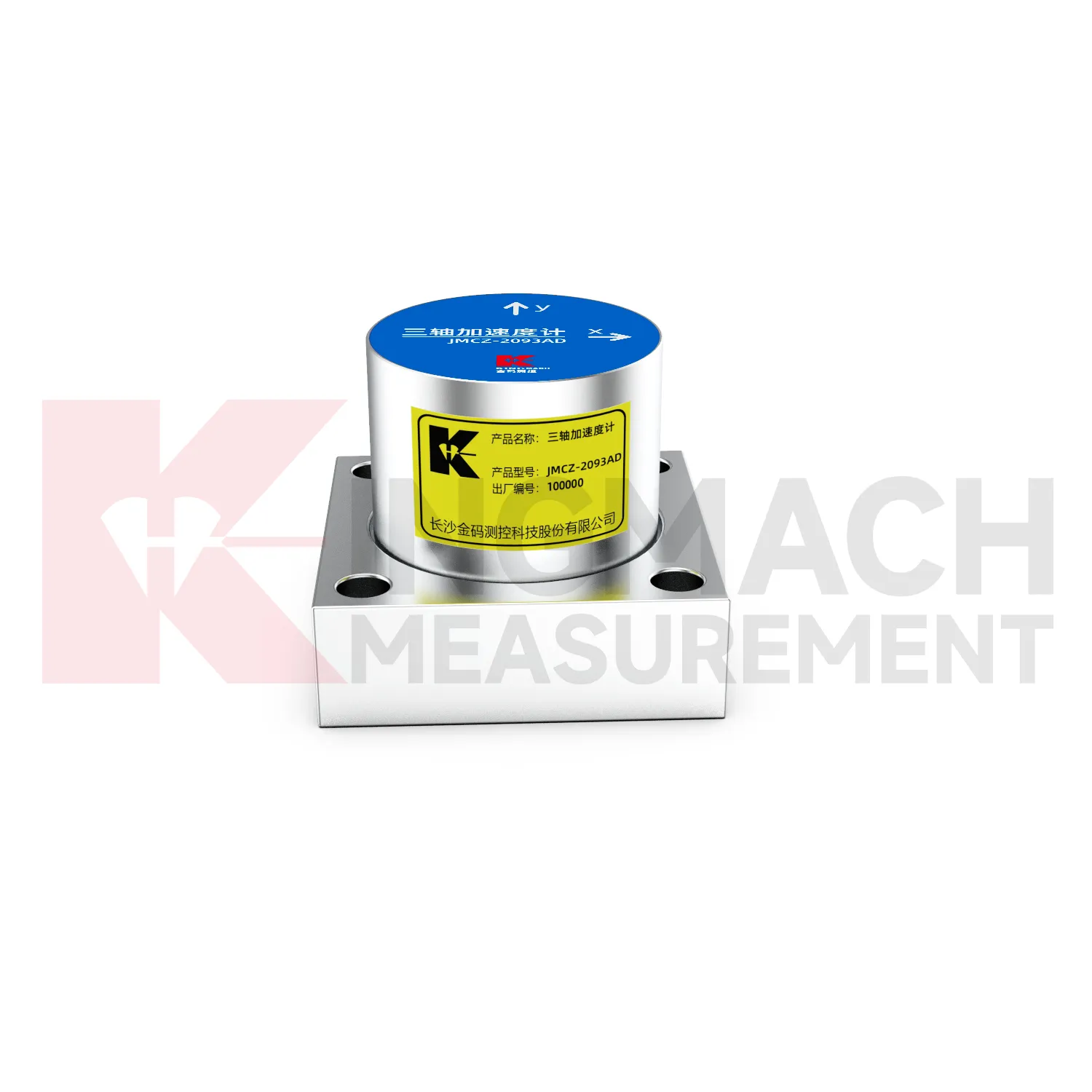
Replacement of Kingmach wireless vibration sensor components should be visible in the monitoring record. When a sensor, cable, connector, bracket, acquisition channel, or software setting changes, record the date, reason, old point condition, new point condition, and first stable test. Do not hide replacement by forcing the new record to look continuous without explanation. Future reviewers need to know whether a change in vibration came from the structure or from maintenance. A clear replacement note protects the long-term data story. It also makes handover easier when a new team takes responsibility for the monitoring system.
Weak-vibration review should include nearby walking, wind, traffic, equipment start-up, and construction activity because these sources can influence the trace. People walking nearby, wind, traffic, equipment start-up, and construction work can all influence the trace, so the field note should capture what was happening around the point.
For high-risk assets, inspection timing should follow events as well as calendar dates. After impact, blasting, severe weather, unusual vibration, or equipment maintenance, the sensor and the data path both deserve a quick check.
Kingmach wireless vibration sensor
Kingmach wireless vibration sensor support structural health monitoring by turning motion into a reviewable data trail. For bridge and building work, the data may help identify dominant frequency, cable behavior, vibration level, and response after an impact or construction event. For ground and earthquake studies, the record may show pulse timing and motion intensity. For machinery and industrial structures, repeated patterns can point to operating conditions or resonance. The monitoring plan should define what counts as normal, what requires field inspection, and which related sensors should be checked before making a decision. This prevents the vibration record from becoming an isolated curve and makes it part of a structured review process.
For owner handover, the file should include point photos, axis labels, acquisition settings, related structural channels, and examples of normal behavior. That helps future reviewers understand whether a later event is unusual.
Weak-vibration review should include nearby walking, wind, traffic, equipment start-up, and construction activity because these sources can influence the trace. People walking nearby, wind, traffic, equipment start-up, and construction work can all influence the trace, so the field note should capture what was happening around the point.
FAQ
Q: How should a sensor position be selected?
A: Place it where the structure actually moves and where the record answers a clear engineering question.
Q: Why is mounting important?
A: Loose mounting can create a false vibration signal, so the sensor must be fixed to a stable surface.
Q: Why does axis direction matter?
A: The waveform only has meaning when reviewers know whether it represents vertical, lateral, longitudinal, or multi-direction motion.
Q:What should be recorded at installation?
A: Record point name, mounting face, axis direction, cable route, acquisition channel, first test record, and photos.
Q: Can sensors be moved after installation?
A: They can, but the move date, reason, new position, and new baseline test should remain visible in the record.
If the reading changes suddenly, the first check should include the sensor attachment, cable route, connector, channel name, and recent field activity. This prevents a maintenance issue from being mistaken for structural behavior.
Reviews
Ryan Lewis
Fast delivery and excellent product quality. The accelerometers and tiltmeters are highly reliable. Strongly recommend this company.
Andrew Lee
The visualization software is intuitive and powerful. It helps us analyze monitoring data efficiently.
Latest Inquiries
To protect the privacy of our buyers, only public service email domains like Gmail, Yahoo, and MSN will be displayed. Additionally, only a limited portion of the inquiry content will be shown.
Amelia***@gmail.comSingapore
Hello, I am looking for visualization software for monitoring system data analysis. Please let me kn...
Charlotte***@gmail.comUnited Arab Emirates
Hi, we require instrumentation cables suitable for harsh environments. Could you advise on specifica...
Related product categories
- accelerometer sensor for vibration measurement
- accelerometer vibration measurement
- piezo accelerometer vibration measurement
- vibration sensor
- vibration sensors
- wireless vibration sensor
- wireless vibration sensors
- piezo vibration sensor
- piezoelectric vibration sensor
- accelerometer vibration sensor
- remote vibration sensor
- mems vibration sensor