
 EN
EN
 ar
ar bg
bg hr
hr cs
cs da
da nl
nl fi
fi fr
fr de
de el
el hi
hi it
it ko
ko no
no pl
pl pt
pt ro
ro ru
ru es
es sv
sv tl
tl iw
iw id
id lv
lv lt
lt sr
sr sk
sk sl
sl uk
uk vi
vi et
et hu
hu th
th tr
tr fa
fa ms
ms hy
hy ka
ka ur
ur bn
bn mn
mn ta
ta kk
kk uz
uz ku
ku
industrial accelerometer
The interpretation of Kingmach industrial accelerometer data should avoid treating every vibration as a defect. Structures move under traffic, wind, machine operation, trains, construction activity, and environmental change. The question is whether the motion is expected, growing, sudden, repeated, or tied to a specific event. Acceleration records should therefore be reviewed with strain, displacement, tilt, load, environmental data, and inspection notes when those records are available. This wider review helps engineers avoid both overreaction and missed warning signs. A vibration spike during known work may require documentation; the same spike during quiet operation may require inspection. The distinction comes from context. Dynamic monitoring becomes most useful when it supports judgment rather than replacing it.
Dynamic data can be sensitive to small field changes. A new bracket, nearby machine, temporary work platform, changed cable route, or software update can alter the record, so those changes belong in the maintenance history.
For owner handover, the file should include point photos, axis labels, acquisition settings, related structural channels, and examples of normal behavior. That helps future reviewers understand whether a later event is unusual.
Weak-vibration review should include nearby walking, wind, traffic, equipment start-up, and construction activity because these sources can influence the trace. People walking nearby, wind, traffic, equipment start-up, and construction work can all influence the trace, so the field note should capture what was happening around the point.
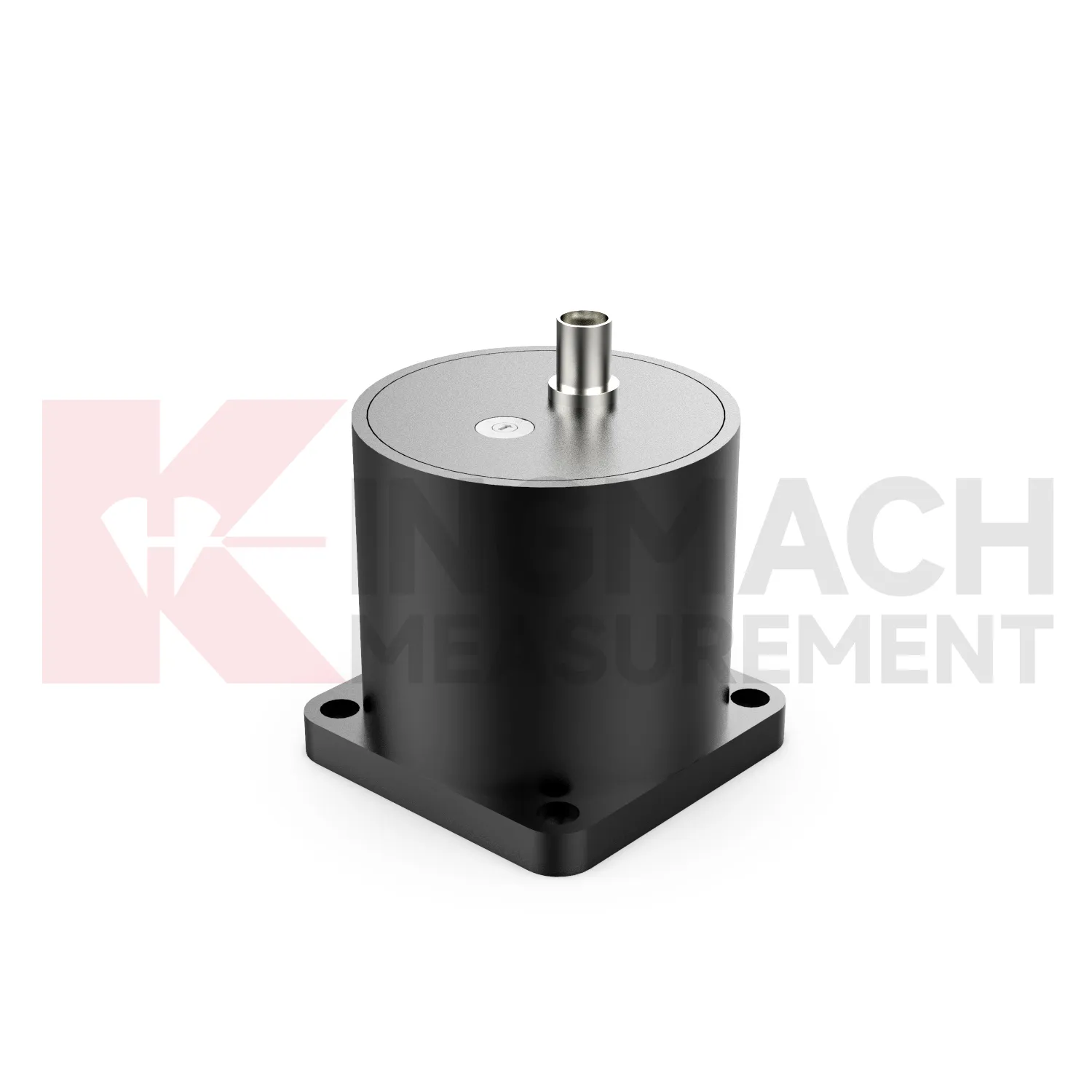
Application of industrial accelerometer
Bridge projects use Kingmach industrial accelerometer to understand deck response, cable vibration, pier movement, and behavior during traffic, wind, impact, or maintenance activity. Acceleration data can help identify frequency changes and abnormal vibration patterns that visual inspection may miss. For cable-supported bridges, vibration response may also support cable force review when the test method is configured correctly. The monitoring plan should tie each point to a structural member, axis direction, event type, and analysis method. Acceleration should be reviewed with strain, displacement, tilt, temperature, wind, and traffic records when available. A bridge may vibrate normally during heavy traffic or high wind, but the same motion under quiet conditions can mean something different. Clear event notes and linked data help engineers make that distinction.
Bridge work also needs a careful separation between local and global response. A sensor near a cable anchorage, bearing seat, pier cap, or deck panel may tell a different story from a point at midspan. The report should identify the structural member, not just the bridge name, so reviewers know which part of the bridge produced the signal.
For long-term bridge operation, repeated vibration records can become a reference library. Engineers can compare similar traffic, wind, or maintenance events and see whether the response remains familiar. If a new event no longer matches that history, the team has a better reason to inspect the related member.
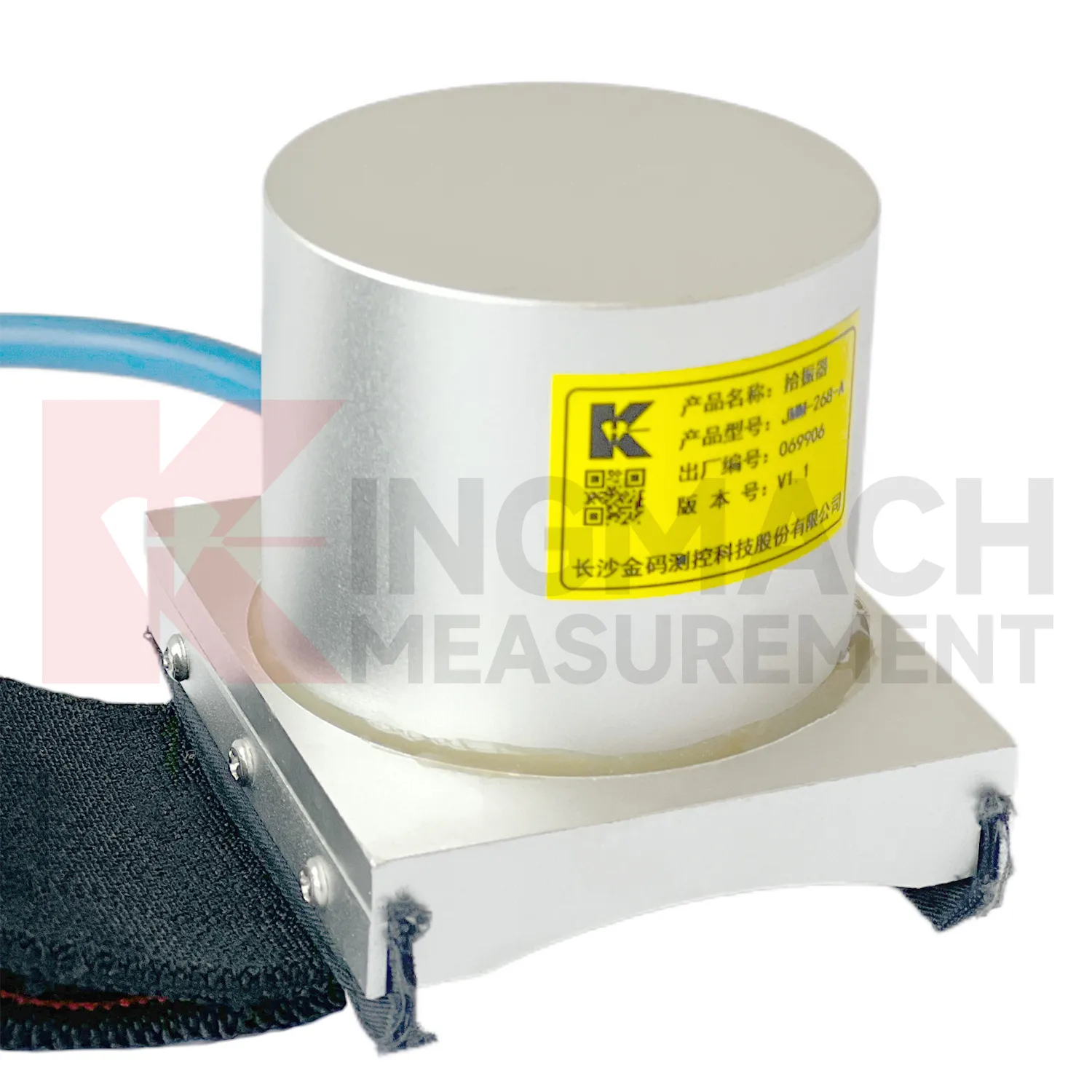
The future of industrial accelerometer
Future Kingmach industrial accelerometer will make vibration comfort and serviceability easier to discuss. Buildings, footbridges, platforms, and machinery areas may be structurally safe but still produce uncomfortable or disruptive motion. Acceleration records can help describe the movement in a way that inspection notes alone cannot. Future reporting tools may connect measured vibration with occupancy, machinery state, traffic timing, and maintenance actions. That will help owners decide whether a response is acceptable, needs observation, or requires a physical change. Clear dynamic records also help communication between technical teams and non-specialist stakeholders who need understandable evidence.
Comfort review should be written in plain operational language. A report may need to show when the motion happened, who noticed it, what equipment was running, and whether the same condition appears every day or only during unusual work. This makes the result useful to building managers as well as engineers.
Serviceability records should also separate perception from risk. A motion may disturb occupants without indicating damage, while a quiet but changing dynamic pattern may deserve technical attention. Future reporting should help teams keep those two questions separate.
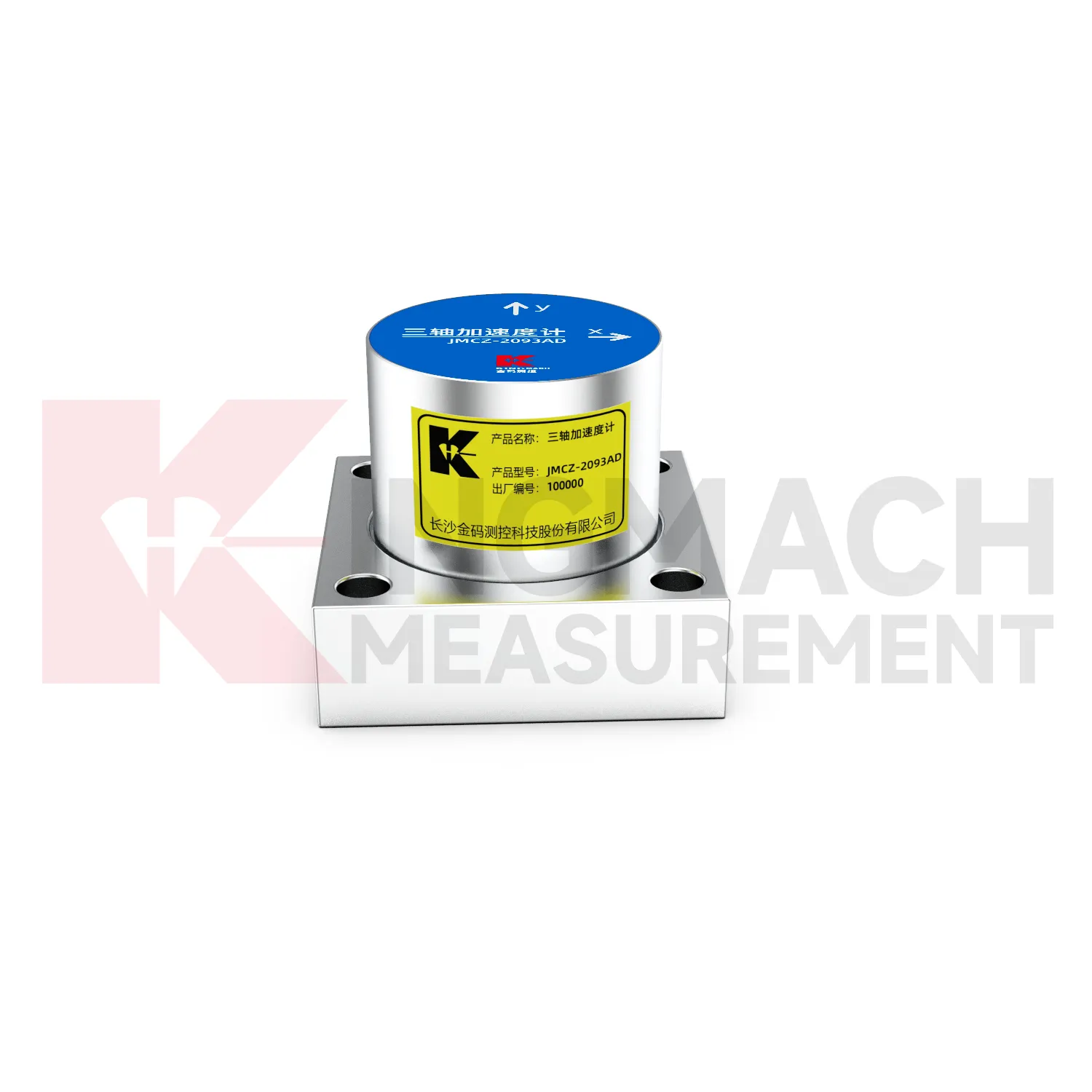
Care & Maintenance of industrial accelerometer
Data review is part of maintaining Kingmach industrial accelerometer. Look for impossible jumps, flatlines, clipping, repeated noise, missing events, or disagreement between nearby sensors. Compare acceleration records with strain, displacement, tilt, wind, traffic, machinery state, or construction logs when possible. A vibration trace should not be judged in isolation. If an alarm appears, first confirm sensor condition, mounting, cable status, event timing, and related records. This disciplined review helps teams separate real structural response from measurement trouble. It also gives maintenance teams a clear path for deciding whether to inspect the point or the asset.
Reviewers should keep a short decision note with abnormal records. The note can state whether the event matched expected operation, whether another sensor confirmed it, whether field inspection was requested, and whether the point itself needed maintenance. That note is often more useful later than a raw curve alone.
For recurring vibration, trend review should compare similar operating conditions rather than unrelated events. A train passage, machine start-up, blast, and wind event should not be mixed into one judgment unless the report explains why they are comparable.
Kingmach industrial accelerometer
Kingmach industrial accelerometer support structural health monitoring by turning motion into a reviewable data trail. For bridge and building work, the data may help identify dominant frequency, cable behavior, vibration level, and response after an impact or construction event. For ground and earthquake studies, the record may show pulse timing and motion intensity. For machinery and industrial structures, repeated patterns can point to operating conditions or resonance. The monitoring plan should define what counts as normal, what requires field inspection, and which related sensors should be checked before making a decision. This prevents the vibration record from becoming an isolated curve and makes it part of a structured review process.
For owner handover, the file should include point photos, axis labels, acquisition settings, related structural channels, and examples of normal behavior. That helps future reviewers understand whether a later event is unusual.
Weak-vibration review should include nearby walking, wind, traffic, equipment start-up, and construction activity because these sources can influence the trace. People walking nearby, wind, traffic, equipment start-up, and construction work can all influence the trace, so the field note should capture what was happening around the point.
FAQ
Q: What maintenance do Kingmach industrial accelerometer need?
A: Check mounting, cable condition, connector sealing, axis label, acquisition status, cabinet condition, and recent site disturbance.
Q: How often should they be inspected?
A: Frequency depends on asset risk, access, vibration level, and whether construction or severe weather is active nearby.
Q: What should be checked after a strong event?
A: Inspect sensor attachment, cable route, cabinet, data completeness, event labels, and related structural readings.
Q: Can software changes affect data?
A: Yes. Platform or acquisition changes can affect channel names, timing, storage, triggers, and analysis settings.
Q: How should replacement be documented?
A: Record old and new equipment, location, reason, date, technician, first test record, and any change to axis or channel name.
Dynamic data can be sensitive to small field changes. A new bracket, nearby machine, temporary work platform, changed cable route, or software update can alter the record, so those changes belong in the maintenance history.
Reviews
Ryan Lewis
Fast delivery and excellent product quality. The accelerometers and tiltmeters are highly reliable. Strongly recommend this company.
Michael Anderson
The strain gauges and load cells are extremely accurate and stable. They performed very well in our bridge monitoring project. Highly recommended!
Latest Inquiries
To protect the privacy of our buyers, only public service email domains like Gmail, Yahoo, and MSN will be displayed. Additionally, only a limited portion of the inquiry content will be shown.
Charlotte***@gmail.comUnited Arab Emirates
Hi, we require instrumentation cables suitable for harsh environments. Could you advise on specifica...
Sophia***@gmail.comUnited Kingdom
Good day, we need environmental monitoring sensors including temperature, humidity, and wind sensors...