
 EN
 ar
 bg
 hr
 cs
 da
 nl
 fi
 fr
 de
 el
 hi
 it
 ko
 no
 pl
 pt
 ro
 ru
 es
 sv
 tl
 iw
 id
 lv
 lt
 sr
 sk
 sl
 uk
 vi
 et
 hu
 th
 tr
 fa
 ms
 hy
 ka
 ur
 bn
 mn
 ta
 kk
 uz
 ku

accelerometer purchase
The interpretation of Kingmach accelerometer purchase data should avoid treating every vibration as a defect. Structures move under traffic, wind, machine operation, trains, construction activity, and environmental change. The question is whether the motion is expected, growing, sudden, repeated, or tied to a specific event. Acceleration records should therefore be reviewed with strain, displacement, tilt, load, environmental data, and inspection notes when those records are available. This wider review helps engineers avoid both overreaction and missed warning signs. A vibration spike during known work may require documentation; the same spike during quiet operation may require inspection. The distinction comes from context. Dynamic monitoring becomes most useful when it supports judgment rather than replacing it.
Dynamic data can be sensitive to small field changes. A new bracket, nearby machine, temporary work platform, changed cable route, or software update can alter the record, so those changes belong in the maintenance history.
For owner handover, the file should include point photos, axis labels, acquisition settings, related structural channels, and examples of normal behavior. That helps future reviewers understand whether a later event is unusual.
Weak-vibration review should include nearby walking, wind, traffic, equipment start-up, and construction activity because these sources can influence the trace. People walking nearby, wind, traffic, equipment start-up, and construction work can all influence the trace, so the field note should capture what was happening around the point.
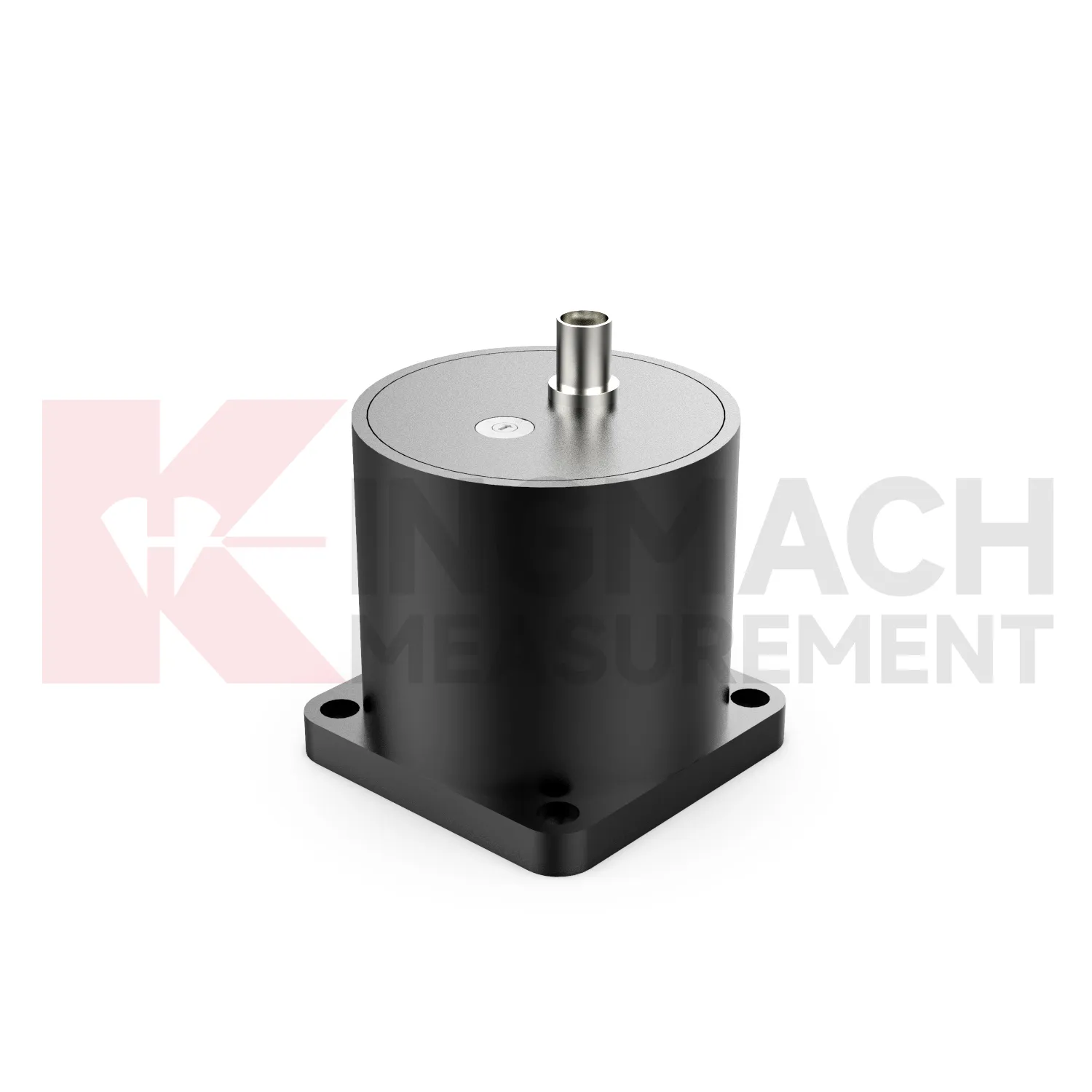
Application of accelerometer purchase
Bridge projects use Kingmach accelerometer purchase to understand deck response, cable vibration, pier movement, and behavior during traffic, wind, impact, or maintenance activity. Acceleration data can help identify frequency changes and abnormal vibration patterns that visual inspection may miss. For cable-supported bridges, vibration response may also support cable force review when the test method is configured correctly. The monitoring plan should tie each point to a structural member, axis direction, event type, and analysis method. Acceleration should be reviewed with strain, displacement, tilt, temperature, wind, and traffic records when available. A bridge may vibrate normally during heavy traffic or high wind, but the same motion under quiet conditions can mean something different. Clear event notes and linked data help engineers make that distinction.
Bridge work also needs a careful separation between local and global response. A sensor near a cable anchorage, bearing seat, pier cap, or deck panel may tell a different story from a point at midspan. The report should identify the structural member, not just the bridge name, so reviewers know which part of the bridge produced the signal.
For long-term bridge operation, repeated vibration records can become a reference library. Engineers can compare similar traffic, wind, or maintenance events and see whether the response remains familiar. If a new event no longer matches that history, the team has a better reason to inspect the related member.
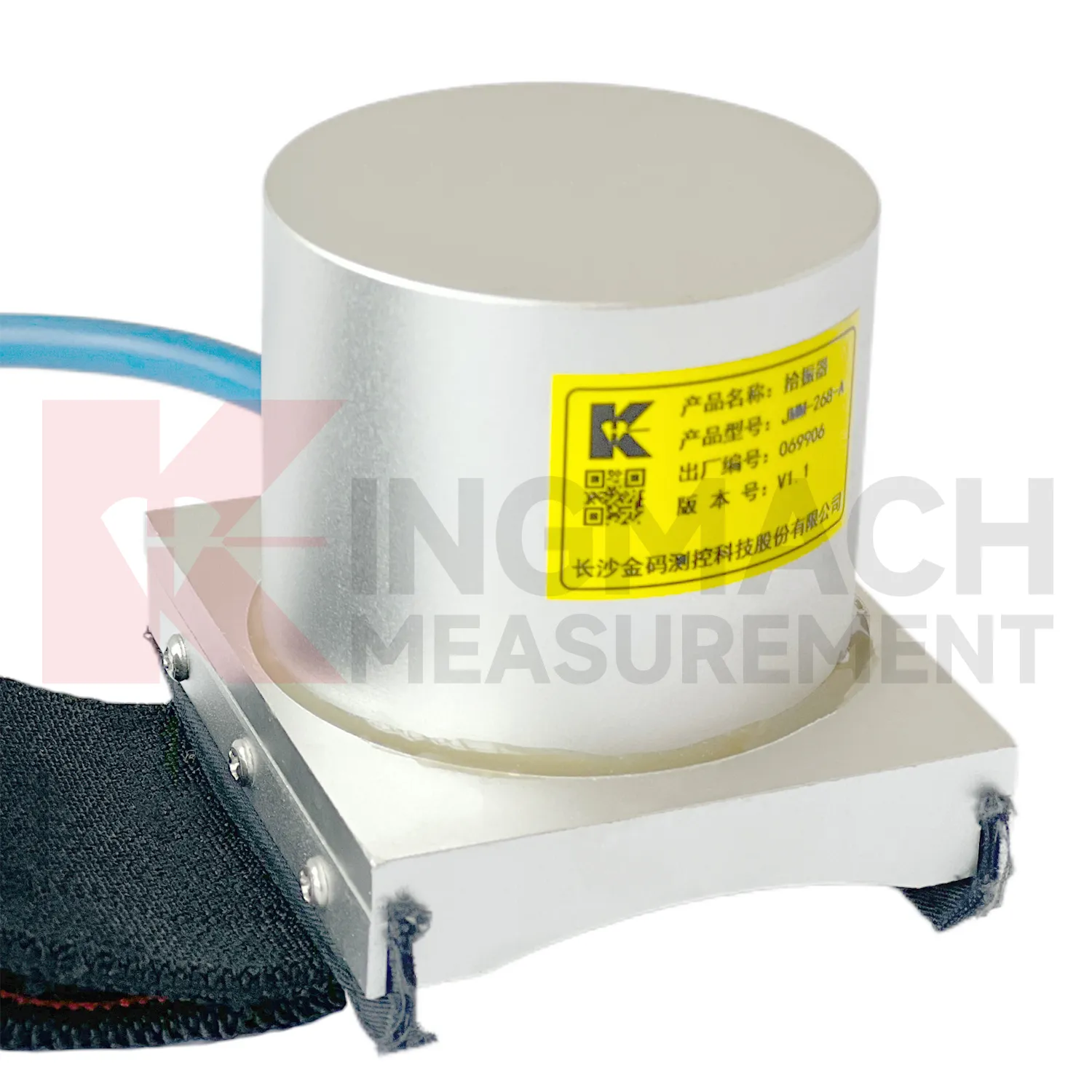
The future of accelerometer purchase
The future of Kingmach accelerometer purchase will be shaped by clearer event-based monitoring. Instead of collecting motion data with no review plan, systems will increasingly tag traffic passages, wind events, blasts, impacts, machine start-ups, and seismic records. The useful record will show what happened, where it happened, and how the structure responded. Kingmach acceleration and vibration measurement can fit this direction when sensors, acquisition, and analysis are designed as one chain. Better event naming will make reports easier to read and decisions faster. It will also help long-term asset teams compare one event with another, rather than treating every waveform as a separate technical file.
During interpretation, the team should compare the motion with nearby strain, displacement, tilt, load, wind, temperature, traffic, machinery, or construction notes. That wider view helps separate normal response from a pattern that needs inspection.
If the reading changes suddenly, the first check should include the sensor attachment, cable route, connector, channel name, and recent field activity. This prevents a maintenance issue from being mistaken for structural behavior.
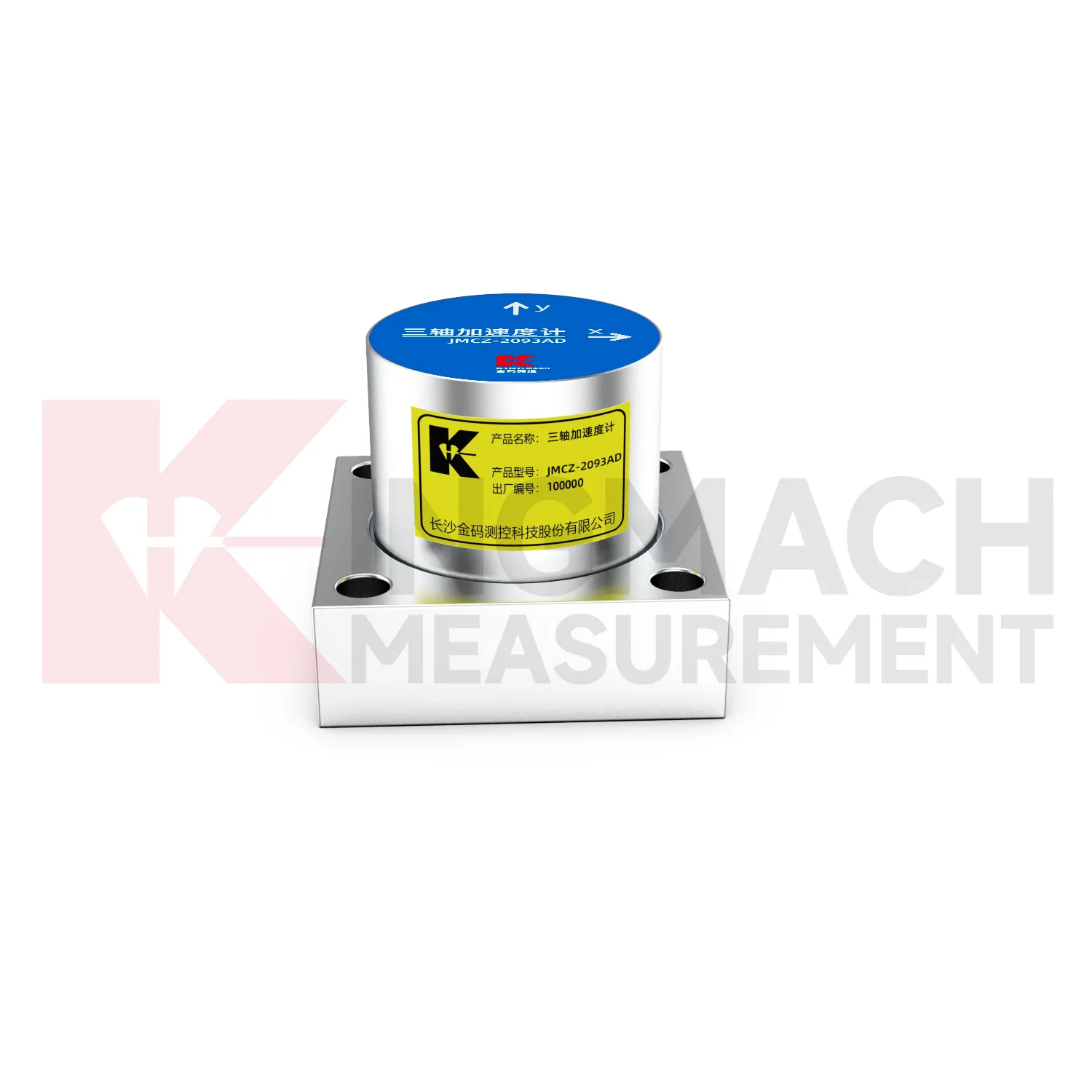
Care & Maintenance of accelerometer purchase
Environmental protection helps Kingmach accelerometer purchase remain stable in field use. Sensors and cables may face dust, moisture, temperature change, construction debris, vibration, and impact. Inspect seals, cable glands, cabinet entries, mounting bolts, and any protective cover. In tunnels or outdoor bridges, check for water and corrosion. In machinery rooms, check oil, dust, and accidental contact. Field protection should not block the motion being measured or create its own vibration. Maintenance notes should state what was inspected and whether the first record after inspection looked normal. This keeps field condition and data quality connected.
Protection work should be checked after site activities that can change the physical surroundings. Painting, cleaning, welding, formwork, cable tray work, or equipment relocation can disturb a point without looking like a sensor fault. The inspection note should describe the surrounding condition, not only the sensor body.
If a cover or enclosure is added, confirm that it does not touch the sensor or create a new vibration path. Good protection keeps water and impact away while leaving the measured structure free to move naturally.
Kingmach accelerometer purchase
The strength of Kingmach accelerometer purchase is clearest when the data is connected to analysis. Dynamic testing systems can turn vibration signals into curves, frequency information, and engineering values when the project is configured for that purpose. The sensor is only the first part of the chain. Mounting, wiring, acquisition, time alignment, software review, and reporting all shape the final value of the measurement. A well-built data chain helps teams see whether a signal is stable, intermittent, growing, or tied to a known event. If any part of the chain is weak, the curve may still appear complete while the engineering meaning remains uncertain.
If the reading changes suddenly, the first check should include the sensor attachment, cable route, connector, channel name, and recent field activity. This prevents a maintenance issue from being mistaken for structural behavior.
Long-term monitoring benefits from repeatable procedure. When the same point, direction, event definition, and analysis method are preserved, new vibration records can be compared with earlier records in a defensible way.
FAQ
Q: How do Kingmach accelerometer purchase fit into a monitoring platform?
A: They provide the dynamic response layer alongside displacement, settlement, strain, load, tilt, environmental, and inspection data.
Q: What should a buyer define before ordering?
A: Define the motion to capture, structure type, location, axis direction, acquisition method, analysis need, and maintenance access.
Q: Do all projects need three-direction measurement?
A: No. Some need a focused direction, while others need multi-direction records because the movement source is uncertain.
Q: Why is low-frequency response important?
A: Ground pulsation, flexible structures, and slow dynamic movement may require sensors and acquisition settings suited to low-frequency behavior.
Q: What makes long-term acceleration data useful?
A: Stable installation, clear event records, consistent analysis, visible maintenance notes, and comparison with related sensors make it useful.
For owner handover, the file should include point photos, axis labels, acquisition settings, related structural channels, and examples of normal behavior. That helps future reviewers understand whether a later event is unusual.
Reviews
James Thompson
The tiltmeters and accelerometers are very sensitive and provide precise data. Perfect for our structural health monitoring system.
Ryan Lewis
Fast delivery and excellent product quality. The accelerometers and tiltmeters are highly reliable. Strongly recommend this company.
Latest Inquiries
To protect the privacy of our buyers, only public service email domains like Gmail, Yahoo, and MSN will be displayed. Additionally, only a limited portion of the inquiry content will be shown.
Emma***@gmail.comCanada
Dear Sir/Madam, we are interested in displacement transducers and settlement sensors for a geotechni...
Ava***@gmail.comAustralia
Hi, I am looking for reliable tiltmeters and accelerometers for structural health monitoring. Please...