
 EN
EN
 ar
ar bg
bg hr
hr cs
cs da
da nl
nl fi
fi fr
fr de
de el
el hi
hi it
it ko
ko no
no pl
pl pt
pt ro
ro ru
ru es
es sv
sv tl
tl iw
iw id
id lv
lv lt
lt sr
sr sk
sk sl
sl uk
uk vi
vi et
et hu
hu th
th tr
tr fa
fa ms
ms hy
hy ka
ka ur
ur bn
bn mn
mn ta
ta kk
kk uz
uz ku
ku
Doublelayer Shielded Test Cable
Kingmach Doublelayer Shielded Test Cable fit naturally with the company's structural health monitoring product range, including strain gauges, load cells, displacement transducers, settlement sensors, tiltmeters, environmental instruments, accelerometers, water-level equipment, and readouts or data loggers. The cable family supports the installation, maintenance, and upgrading of those measurement systems. When a site uses mixed instruments, a consistent cable approach reduces confusion at junction boxes and acquisition cabinets. That consistency becomes important during maintenance, when technicians need to trace a fault quickly without disturbing stable channels.
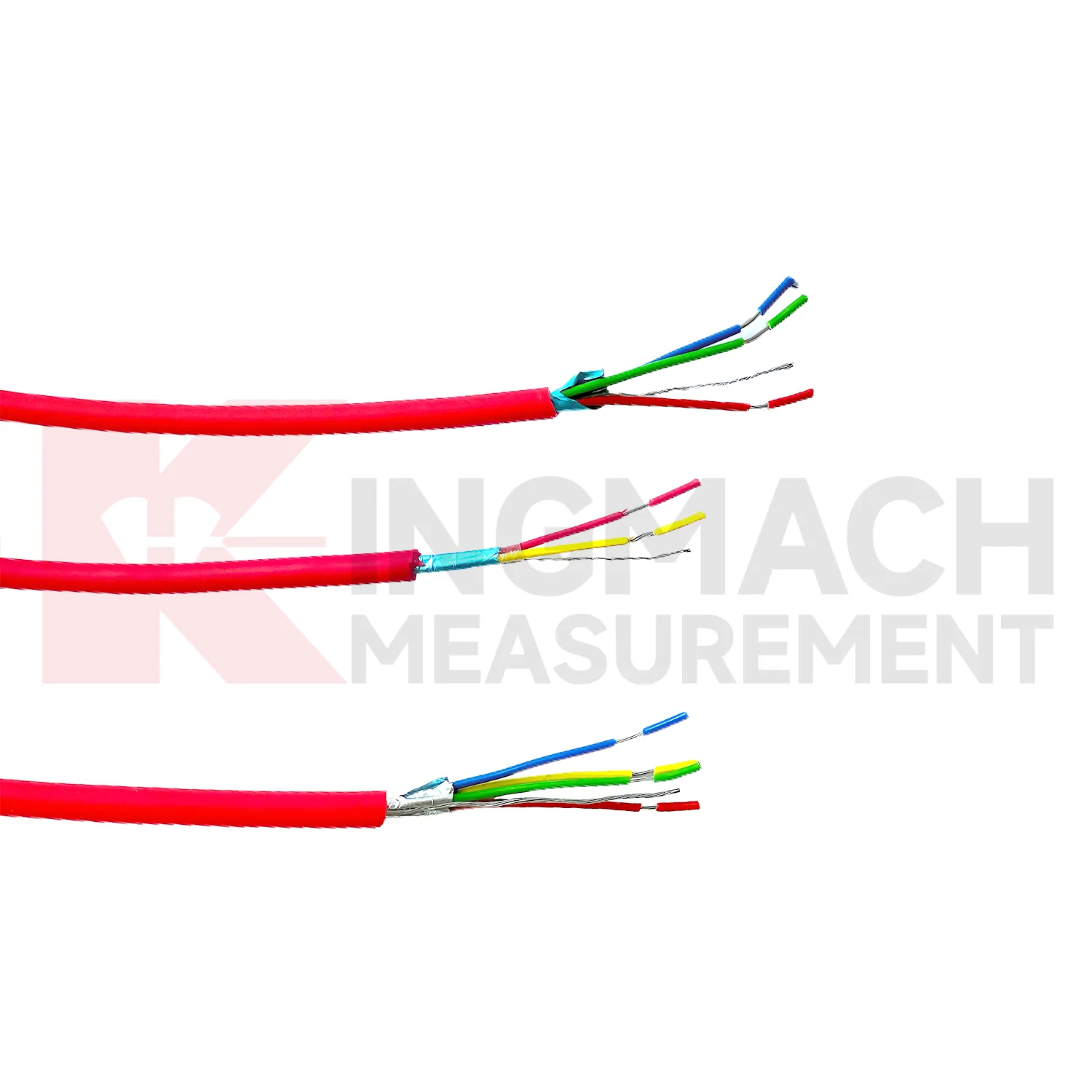
Application of Doublelayer Shielded Test Cable
Wind tower monitoring uses Kingmach Doublelayer Shielded Test Cable to connect strain, tilt, vibration, foundation, and environmental instruments exposed to moving structures and changing weather. Cables may run inside towers, around foundations, through junction boxes, or near power equipment. Shielding helps protect weak measurement signals near electrical systems, while wear resistance helps during repeated inspection or service work. When a tower vibration or tilt record changes, the team can inspect cable fixation, connector sealing, and cabinet entry before treating the reading as a structural issue.
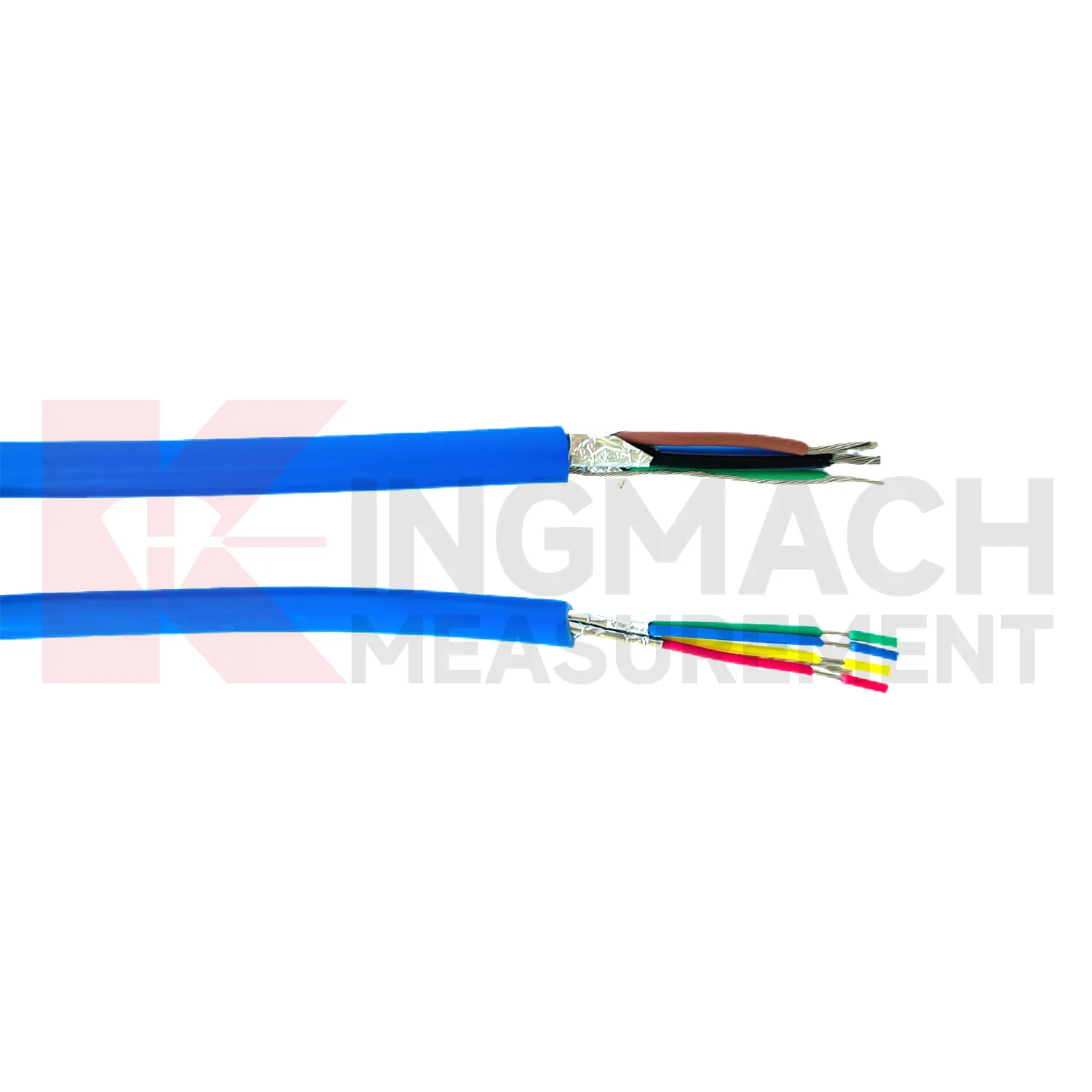
The future of Doublelayer Shielded Test Cable
Digital twin projects will use Kingmach Doublelayer Shielded Test Cable as part of the physical link between a real structure and its virtual record. A twin needs sensor data that can be traced back to known points, known channels, and known installation routes. Cable documentation will therefore become part of the model history, not merely a maintenance note. When a bridge, dam, tunnel, or building record changes, reviewers can check both structural behavior and cable condition before updating risk status or maintenance plans.
Care & Maintenance of Doublelayer Shielded Test Cable
For hydraulic JMZX-XSX cable, maintenance should focus on sealing, pulling stress, abrasion, and wet-route protection. Check sections that pass through galleries, conduits, water-level areas, drainage channels, or submerged zones. Look for sheath wear, tight bends, stretched sections, and water tracking toward junction boxes. When replacement is needed, document the old condition and the new first stable reading. This keeps future reviewers from mistaking a cable repair effect for a change in dam, water-level, or hydraulic structure behavior.
Kingmach Doublelayer Shielded Test Cable
Kingmach Doublelayer Shielded Test Cable protect monitoring data in places where interference is part of daily site life. Pumps, motors, welding work, power cabinets, railway equipment, construction machinery, and lightning protection systems can all affect weak sensor signals if cable routing is poorly planned. A composite shielding structure in JMZX-XPX helps keep precise sensor signal transmission stable in demanding testing areas. In hydraulic work, JMZX-XSX adds water-resistant insulation and sealing so the data path remains dependable in damp or underwater conditions. The engineering value is simple: fewer unexplained spikes, fewer repeat site visits, and clearer evidence when the structure itself changes.
FAQ
Q: What should be confirmed before placing an order?
A: Confirm project quantity, required core format, expected delivery length, packaging demand, payment terms, and receiving schedule.
Q: What minimum order quantity is shown?
A: The local product pages list a minimum order quantity of one piece.
Q: How is pricing handled?
A: Pricing is listed as negotiable, so the buyer should confirm quantity, model, packaging, and project delivery details with Kingmach.
Q: What delivery term appears in the local files?
A: Shipment is listed within 30 days after full payment receipt, subject to the order and project arrangement.
Q: What certifications are shown?
A: The product information lists ISO9001, ISO14001, and ISO45001 certification for Kingmach.
Reviews
Christopher Martinez
Very satisfied with the readouts & data loggers. User-friendly interface and supports multiple sensor inputs.
Michael Anderson
The strain gauges and load cells are extremely accurate and stable. They performed very well in our bridge monitoring project. Highly recommended!
Latest Inquiries
To protect the privacy of our buyers, only public service email domains like Gmail, Yahoo, and MSN will be displayed. Additionally, only a limited portion of the inquiry content will be shown.
Emma***@gmail.comCanada
Dear Sir/Madam, we are interested in displacement transducers and settlement sensors for a geotechni...
Olivia***@gmail.comUnited States
Hello, we are currently sourcing high-precision strain gauges and load cells for a bridge monitoring...