
 EN
EN
 ar
ar bg
bg hr
hr cs
cs da
da nl
nl fi
fi fr
fr de
de el
el hi
hi it
it ko
ko no
no pl
pl pt
pt ro
ro ru
ru es
es sv
sv tl
tl iw
iw id
id lv
lv lt
lt sr
sr sk
sk sl
sl uk
uk vi
vi et
et hu
hu th
th tr
tr fa
fa ms
ms hy
hy ka
ka ur
ur bn
bn mn
mn ta
ta kk
kk uz
uz ku
ku
Corrosionresistant Hydrological Cable
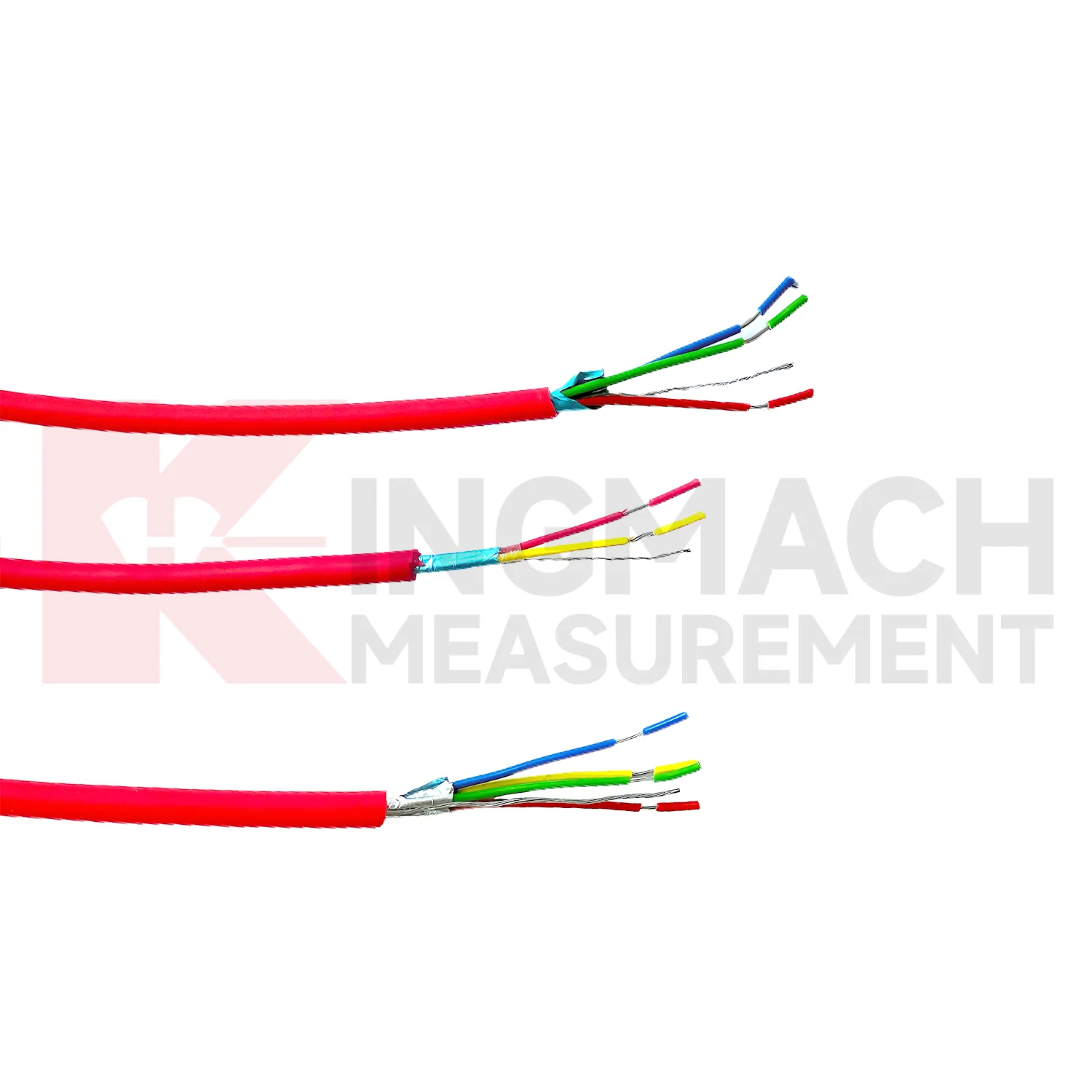
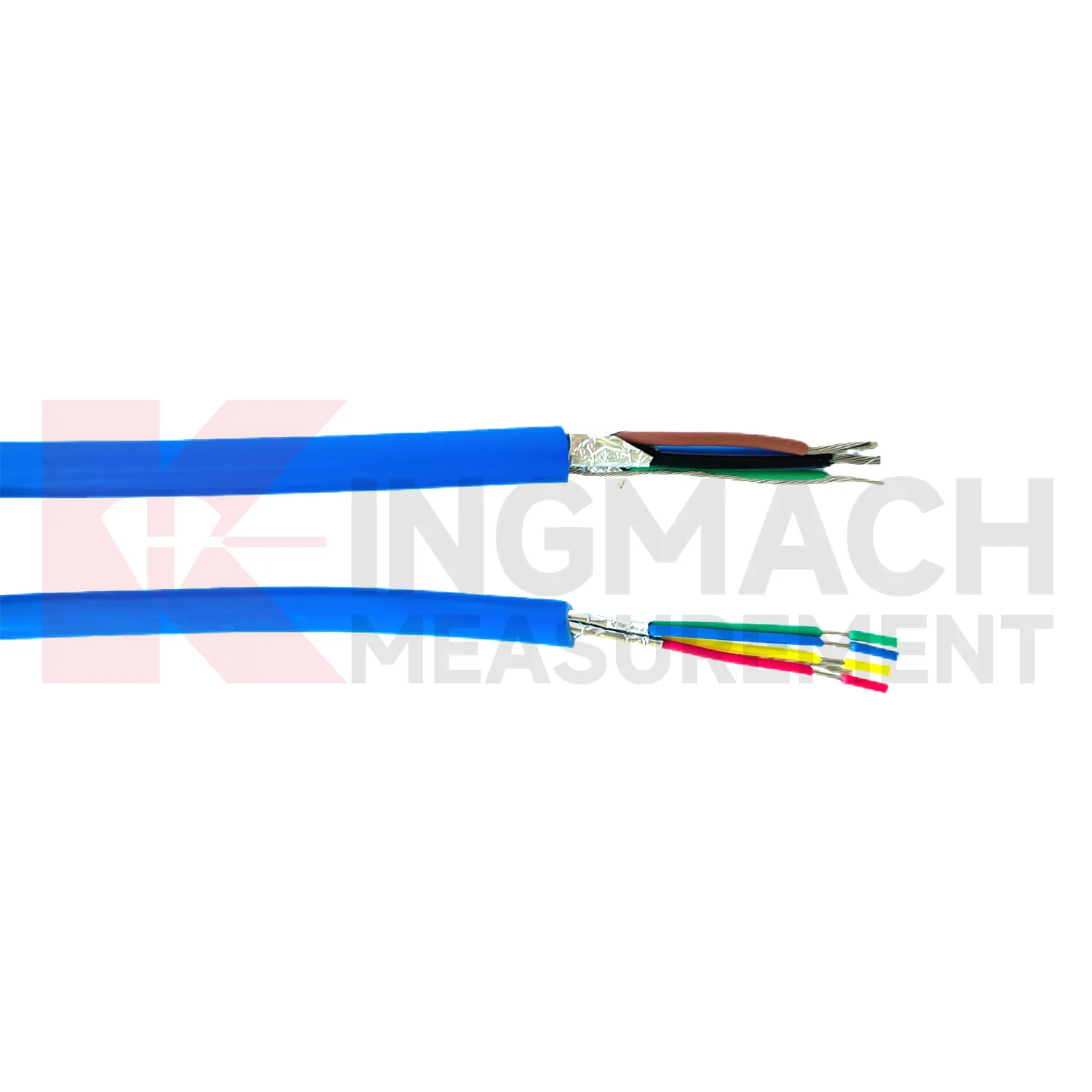
Kingmach Corrosionresistant Hydrological Cable include test dedicated shielded wire JMZX-XPX and hydraulic cable JMZX-XSX. JMZX-XPX uses a composite shielding structure for anti-interference work where low-loss sensor signal transmission is needed. It is suited to precise monitoring signals in harsh environments, especially when nearby power equipment or construction activity may affect readings. JMZX-XSX is a special cable for hydraulic engineering, using multi-layer sealing and water-resistant insulation to support power and signal transmission in underwater or humid conditions. Both cables are part of Kingmach Measurement & Monitoring Technology's accessory range for structural monitoring instruments.
Application of Corrosionresistant Hydrological Cable
Slope monitoring uses Kingmach Corrosionresistant Hydrological Cable to carry signals from displacement, settlement, pore pressure, rainfall, and inclination instruments back to acquisition equipment. Field routes may cross open ground, drainage ditches, retaining structures, or equipment boxes exposed to weather. A cable with waterproof, moisture-proof, and wear-resistant behavior helps reduce failures caused by rain, soil movement, route damage, or repeated maintenance access. When cable records are linked to sensor IDs and drawing locations, engineers can identify whether a reading change is related to ground behavior or a damaged route.
The future of Corrosionresistant Hydrological Cable
Longer monitoring cycles will raise expectations for Kingmach Corrosionresistant Hydrological Cable. Owners increasingly want instruments to remain in place for years, often through weather, construction phases, inspections, and equipment upgrades. Cables will need to resist water, wear, interference, and handling while remaining easy to identify. Future maintenance plans may include scheduled cable insulation checks, connector sealing reviews, and route photo updates. These actions will help protect data continuity across long asset lifetimes.
Care & Maintenance of Corrosionresistant Hydrological Cable
Inspect Kingmach Corrosionresistant Hydrological Cable after construction activity near the route. Excavation, welding, drilling, formwork movement, equipment relocation, and temporary power installation can all damage cable or change interference conditions. The inspection should cover sheath cuts, crushed sections, loose ties, connector strain, cabinet entry sealing, and changed proximity to power lines. If data changed around the same date as site work, check the cable path before treating the change as a structural trend.
Kingmach Corrosionresistant Hydrological Cable
Kingmach Corrosionresistant Hydrological Cable protect monitoring data in places where interference is part of daily site life. Pumps, motors, welding work, power cabinets, railway equipment, construction machinery, and lightning protection systems can all affect weak sensor signals if cable routing is poorly planned. A composite shielding structure in JMZX-XPX helps keep precise sensor signal transmission stable in demanding testing areas. In hydraulic work, JMZX-XSX adds water-resistant insulation and sealing so the data path remains dependable in damp or underwater conditions. The engineering value is simple: fewer unexplained spikes, fewer repeat site visits, and clearer evidence when the structure itself changes.
FAQ
Q: What should be checked before pulling cable?
A: Confirm the drawing route, conduit condition, bend radius, wet sections, nearby power equipment, and cabinet entry position.
Q: How should a shielded cable route be handled?
A: Keep it away from strong electrical sources where possible and maintain the intended shielding practice at termination.
Q: Why are cable ends important?
A: Open or poorly sealed ends can let moisture enter the route and create unstable readings long after installation.
Q: What commissioning signs suggest a cable issue?
A: Repeated spikes, channel dropouts, flatline data, or readings that change when nearby equipment starts can point to the route.
Q: Why keep installation photos?
A: Photos show route position, cabinet entry, labels, and later changes, which makes troubleshooting faster.
Reviews
David Wilson
We purchased displacement transducers and settlement sensors, and the quality exceeded our expectations. Easy installation and reliable performance.
Ryan Lewis
Fast delivery and excellent product quality. The accelerometers and tiltmeters are highly reliable. Strongly recommend this company.
Latest Inquiries
To protect the privacy of our buyers, only public service email domains like Gmail, Yahoo, and MSN will be displayed. Additionally, only a limited portion of the inquiry content will be shown.
Olivia***@gmail.comUnited States
Hello, we are currently sourcing high-precision strain gauges and load cells for a bridge monitoring...
Isabella***@gmail.comGermany
Hello, we are evaluating weir flow meters for a water management project. Please share accuracy deta...